by cafe-eilat | Apr 7, 2026 | Restaurants
For Muslims seeking fast food options that align with Islamic dietary laws, the question of whether Burger King serves halal food remains a topic of considerable interest and debate. The answer is not straightforward, as Burger King operates as a global franchise with varying practices depending on location, ownership, and local regulations. This comprehensive guide explores the complexities of halal certification at Burger King, regional differences in menu offerings, and how to navigate the options available to ensure compliance with Islamic dietary requirements.
Understanding halal certification at burger king locations
The term halal, meaning permissible in Islam, extends beyond simply avoiding pork and alcohol. For meat to be considered halal, it must come from animals slaughtered according to Islamic law, a process known as zabiha, which involves invoking the name of Allah and ensuring humane treatment. Burger King does not maintain a universal halal policy across all its outlets worldwide. Instead, each franchise operates independently in terms of sourcing ingredients and adhering to religious dietary standards. This decentralised approach means that the halal status of a Burger King restaurant is highly location-dependent, requiring customers to verify the practices of individual outlets rather than relying on a blanket assurance from the brand itself.
What makes a burger king restaurant halal-certified
A Burger King outlet achieves halal certification through a rigorous process that involves third-party inspection of meat suppliers, verification of Islamic slaughtering methods, and scrutiny of all ingredients used in food preparation. Certified locations prominently display halal certification logos issued by recognised Islamic authorities, providing visible assurance to customers. In Muslim-majority countries such as Saudi Arabia, the United Arab Emirates, Malaysia, Indonesia, and Pakistan, Burger King restaurants typically operate under full halal certification. This means that all meat products, including chicken, beef, and lamb, are sourced from suppliers that comply with Islamic slaughter practices. Additionally, these outlets ensure that no pork products are present on the premises and that cooking equipment is dedicated exclusively to halal food preparation, thereby eliminating the risk of cross-contamination with haram substances.
Regional Differences in Halal Availability Across the UK
In the United Kingdom, the situation is considerably more complex. While some Burger King locations offer halal chicken, the majority do not provide halal-certified beef. Furthermore, many UK outlets serve pork products alongside other menu items, and cooking equipment such as grills and fryers is often shared between halal and non-halal foods. This shared equipment raises significant concerns about cross-contamination, which can render otherwise permissible food doubtful or mashbooh in Islamic terms. Muslims in the UK who wish to eat at Burger King must therefore exercise caution, verifying with individual outlets whether they hold halal certification and inquiring about their food handling practices. The lack of a consistent policy across the country means that availability varies widely, with some locations catering specifically to Muslim customers while others do not make any provisions for halal compliance.
Halal Menu Options and Islamic Dietary Compliance at Burger King
Even in regions where Burger King does not offer halal-certified meat, some Muslims may choose to consume certain menu items based on specific interpretations of Islamic dietary law or out of necessity. Understanding which items are more likely to meet Islamic standards requires knowledge of ingredients, preparation methods, and the principles of halal compliance. However, it is important to note that the absence of halal certification does not automatically make an item permissible, especially when considering the broader context of food preparation and potential contamination.
Which burger king items meet islamic dietary standards
In outlets that lack halal certification, vegetarian options such as salads, chips, and certain sides may appear to be safe choices for Muslims. However, even these items can be problematic due to the risk of cross-contamination. For instance, chips fried in the same oil used for non-halal meat or cooked on shared equipment may not be considered truly halal by many Islamic scholars. Additionally, some vegetarian items may contain ingredients derived from non-halal sources, such as enzymes from animal rennet in cheese or alcohol-based flavourings. The term natural flavours often lacks transparency, making it difficult to determine whether these ingredients comply with Islamic dietary laws. In Muslim-majority countries where Burger King operates under full halal certification, the entire menu is generally safe for consumption, as all ingredients and preparation methods are vetted to ensure compliance with Islamic principles.
How to identify halal-friendly choices when ordering
For Muslims dining at Burger King in regions without comprehensive halal certification, identifying suitable options requires diligence and inquiry. The most reliable method is to ask staff members directly about the halal status of specific menu items. Questions should cover whether the meat is halal-certified, whether cooking equipment is shared with non-halal products, and whether any ingredients contain alcohol or animal-derived substances that may not meet Islamic standards. Some outlets may provide detailed ingredient lists or allergen information that can help in making informed decisions. However, the safest approach remains seeking out Burger King locations that display official halal certification logos from recognised Islamic authorities. In the absence of such certification, many Islamic scholars advise Muslims to avoid Burger King altogether or to limit their choices to items with minimal risk of contamination, though even this carries an element of doubt.
Navigating burger king's food preparation and cross-contamination policies
One of the most significant concerns for Muslims eating at Burger King in non-Muslim-majority countries is the issue of cross-contamination. Even if a restaurant uses halal meat, the way food is prepared and the equipment used can affect its permissibility. Understanding how Burger King handles food preparation and what measures are in place to prevent contamination is essential for making informed dietary choices.
Separate Cooking Processes for Halal and Non-Halal Items
In fully halal-certified Burger King outlets, separate cooking equipment is used exclusively for halal food, ensuring that no contact occurs between halal and haram items. This includes dedicated grills, fryers, and utensils, as well as separate storage areas for ingredients. Such measures are critical in preventing the transfer of non-halal substances to permissible foods. In contrast, Burger King locations in the United States, Canada, much of Europe, and the UK typically do not implement these precautions. Shared grills and fryers are standard practice, meaning that halal-certified meat, if available, may still come into contact with pork or other non-halal products during cooking. This shared equipment creates a high risk of cross-contamination, which many Islamic scholars consider sufficient to render the food doubtful or impermissible. The absence of federal halal regulations in countries like the United States further complicates the situation, as there is no standardised oversight to ensure that halal claims are accurate or that proper separation is maintained.
What questions to ask staff about halal food handling
When visiting a Burger King outlet, Muslims should not hesitate to ask staff detailed questions about food preparation practices. Key inquiries include whether the restaurant holds halal certification, whether meat suppliers are halal-certified, whether cooking equipment is shared with non-halal items, and whether any ingredients contain alcohol or animal-derived substances that may not comply with Islamic law. Staff may not always have immediate answers, but they can often check with management or provide documentation such as ingredient lists or certification details. It is also advisable to ask whether the outlet has a policy to accommodate customers with specific dietary requirements, as some locations may be more willing to take extra precautions if requested. However, even with assurances from staff, the safest option remains choosing fully halal-certified restaurants or preparing food at home using verified halal ingredients. The growing availability of halal-certified fast food chains and dedicated halal burger outlets provides Muslims with more reliable alternatives, reducing the need to navigate the uncertainties associated with Burger King and similar establishments.

by cafe-eilat | Apr 7, 2026 | Healthy Food
For those seeking practical and enjoyable ways to support their cardiovascular system, the humble peanut emerges as a surprisingly powerful ally. Long cherished as a convenient snack and a staple in many kitchens, peanuts have garnered attention from researchers and health professionals alike for their potential to influence cholesterol levels and promote overall heart wellness. This article explores the science behind peanut consumption and its role in cholesterol management, offering insights into how this accessible legume can be woven into a heart-conscious lifestyle.
Understanding cholesterol and why peanuts matter
The Role of Good and Bad Cholesterol in Cardiovascular Wellness
Cholesterol, a waxy substance present in every cell of the body, plays a crucial role in various physiological processes, from hormone production to cell membrane integrity. However, not all cholesterol is created equal. Low-density lipoprotein cholesterol, commonly referred to as LDL cholesterol, is often termed the 'bad' cholesterol because elevated levels can lead to the accumulation of fatty deposits in the arteries, increasing the risk of heart disease. On the other hand, high-density lipoprotein cholesterol, or HDL cholesterol, is known as the 'good' cholesterol, as it helps transport excess cholesterol away from the arteries and back to the liver for removal. Maintaining a healthy balance between these two types is fundamental to reducing cardiovascular disease risk and supporting long-term heart health.
Managing cholesterol levels effectively requires a multifaceted approach that includes dietary choices, physical activity, weight management, and lifestyle modifications such as smoking cessation and limiting alcohol intake. Among the dietary strategies that have shown promise, the inclusion of nuts and legumes has attracted considerable scientific interest. Peanuts, in particular, stand out due to their rich nutritional profile and accessibility. Global consumption of peanuts has surged, reaching approximately 42.6 million metric tons in 2018, reflecting their widespread appeal and growing recognition as a health-promoting food. The American Heart Association has certified peanuts as beneficial for heart health, and the Food and Drug Administration has acknowledged that consuming 1.5 ounces of nuts like peanuts may help lower the risk of heart disease, underscoring the significance of these legumes in cardiovascular wellness.
How peanuts contribute to balanced lipid profiles
Peanuts contain a unique blend of compounds that can positively influence lipid metabolism and cholesterol management. Research indicates that regular peanut consumption is associated with lower triglyceride levels, a type of fat in the blood that, when elevated, can contribute to the hardening of arteries and increase the risk of heart disease and stroke. A randomised controlled trial known as the ARISTOTLE Study involved 63 healthy participants who incorporated 25 grams per day of skin roasted peanuts, 32 grams per day of peanut butter, or 32 grams per day of peanut oil-based control butter into their usual diet for six months. The group consuming skin roasted peanuts exhibited lower total cholesterol to HDL cholesterol ratios and lower LDL to HDL cholesterol ratios compared to the control group, suggesting that peanuts can help shift the balance toward a more favourable lipid profile.
A broader meta-analysis that included eleven studies, among them the ARISTOTLE Study, reinforced these findings by demonstrating that peanut consumption is linked to reduced triglycerides and improved cholesterol ratios in healthy individuals. Notably, those who consumed peanuts regularly experienced lower total cholesterol and LDL to HDL cholesterol ratios, both of which are key indicators of cardiovascular health. While some participants with high cardiometabolic risk gained a modest amount of body weight during the peanut interventions, the overall evidence suggests that peanuts can play a valuable role in regulating lipid metabolism and supporting cholesterol management. This makes peanuts an appealing option for those looking to enhance their heart health through dietary means.
Nutritional Composition of Peanuts and Their Impact on Heart Health
Essential Fatty Acids and Plant Sterols Found in Peanuts
One of the standout features of peanuts is their rich content of unsaturated fats, particularly monounsaturated and polyunsaturated fats. These healthy fats are known to support cardiovascular health by helping to lower LDL cholesterol levels while maintaining or even increasing HDL cholesterol. Unlike saturated and trans fats, which can contribute to the buildup of arterial plaque, unsaturated fats promote better lipid profiles and reduce inflammation. Peanut butter, for instance, contains no cholesterol and is abundant in monounsaturated fats that actively work to lower LDL cholesterol, making it a heart-friendly alternative to spreads high in saturated fats.
In addition to their favourable fat composition, peanuts are a notable source of plant sterols, also known as phytosterols. These naturally occurring compounds have a structure similar to cholesterol and can compete with it for absorption in the digestive tract. By blocking the absorption of dietary cholesterol, phytosterols can help reduce LDL cholesterol levels by up to 14 percent, according to some studies. This mechanism is particularly beneficial for individuals seeking to manage their cholesterol without relying solely on medication. The presence of plant sterols in peanuts, combined with their unsaturated fat content, makes them a powerful tool for improving overall lipid profiles and supporting long-term cardiovascular wellness.
Vitamins, minerals, and antioxidants that support cholesterol reduction
Beyond their healthy fats and plant sterols, peanuts are packed with vitamins, minerals, and antioxidants that contribute to heart health in multiple ways. They are a good source of dietary fibre, which helps regulate cholesterol by binding to it in the digestive system and facilitating its removal from the body. Soluble fibre, in particular, has been shown to lower LDL cholesterol levels and improve overall cardiovascular health. Peanuts also provide plant-based protein, which can aid in weight management and reduce the intake of animal proteins that may be higher in saturated fats.
Peanuts are rich in vitamin E, a potent antioxidant that protects cells from oxidative stress and inflammation, both of which are key contributors to heart disease. Eating peanuts with their skins on can further enhance their antioxidant content, as the skins contain additional phenolic compounds. Other important nutrients found in peanuts include magnesium, which supports blood pressure regulation, and manganese, niacin, copper, and potassium, all of which play roles in cardiovascular function. Peanuts also contain arginine, an amino acid that promotes healthy circulation and can help lower blood pressure. Furthermore, they are a source of resveratrol, a powerful antioxidant more commonly associated with red wine, which has been linked to reduced inflammation and improved heart health. The combination of these nutrients makes peanuts a comprehensive dietary choice for those aiming to protect their arteries and support overall cardiovascular wellness.
Research has shown that incorporating peanuts into a balanced diet can have far-reaching benefits. Eating peanuts at least twice a week has been associated with a 15 percent reduction in the risk of heart disease and a 13 percent decrease in the risk of cardiovascular disease. For those who consume peanuts five times a week, the protective effects are even more pronounced. Daily nut consumption, including peanuts, has been linked to a 29 percent reduction in deaths from heart disease, highlighting the significant impact that regular intake can have on longevity and quality of life. Additionally, plant-based diets that include nuts like peanuts have been associated with lower mortality rates, further emphasizing the importance of these legumes in a heart-healthy eating pattern.
Practical considerations when including peanuts in your diet
Recommended Portions and Preparation Methods for Maximum Benefits
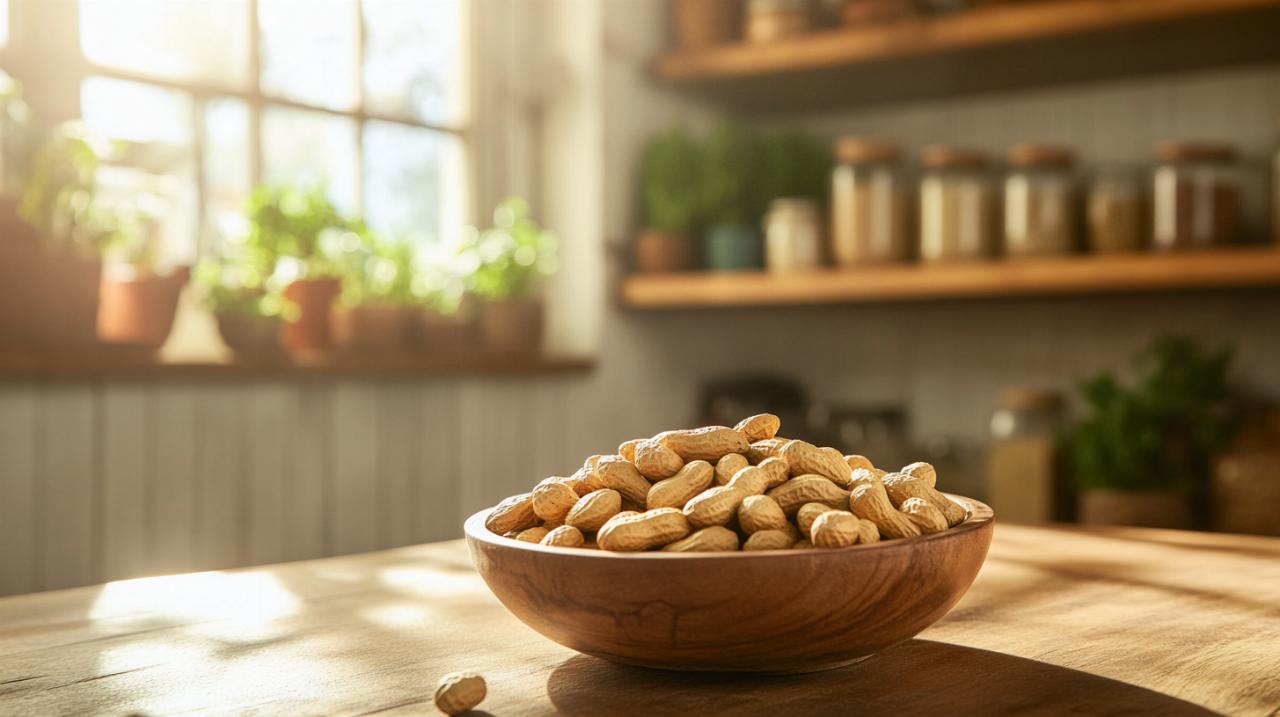
While peanuts offer numerous health benefits, it is important to consume them in moderation and as part of a balanced diet. The recommended serving size for nuts, including peanuts, is approximately 30 grams, or about one ounce, which is roughly equivalent to a small handful of whole peanuts or two tablespoons of peanut butter. This portion size provides a substantial amount of nutrients without excessive calories, making it easier to maintain a moderate weight and avoid unintended weight gain. Losing just 5 to 10 percent of body weight can significantly improve cholesterol levels, so portion control is a key consideration for those using peanuts as part of a cholesterol management strategy.
Preparation methods also matter when it comes to maximizing the health benefits of peanuts. Skin roasted peanuts, for instance, retain their nutrient-rich skins, which contain additional antioxidants and phenolic compounds. Choosing unsalted or low-sodium varieties is advisable, as peanuts are naturally low in sodium, and excessive salt intake can negate some of the cardiovascular benefits. Peanut butter and peanut oil can also be excellent options, provided they are free from added sugars, hydrogenated oils, and excessive salt. When selecting peanut butter, opting for natural versions with minimal ingredients ensures that you are getting the full nutritional value without unnecessary additives.
Incorporating peanuts into a heart-healthy diet can be as simple as adding them to salads, oatmeal, or smoothies, or enjoying them as a standalone snack. They can also be used in cooking to replace less healthy fats, such as saturated or trans fats, which are known to raise LDL cholesterol levels. By making thoughtful choices about preparation and portion sizes, individuals can harness the full potential of peanuts to support their cardiovascular health and cholesterol management goals.
Potential drawbacks and who should exercise caution
Despite their many benefits, peanuts are not suitable for everyone, and there are some potential drawbacks to consider. Peanut allergies are among the most common and serious food allergies, and individuals with this condition must avoid peanuts and peanut-containing products entirely. Even trace amounts can trigger severe allergic reactions, making it essential for those affected to read food labels carefully and seek alternatives that offer similar nutritional benefits.
Additionally, while peanuts can be part of a weight management strategy, some research has indicated that individuals with high cardiometabolic risk may experience modest weight gain when consuming peanuts regularly. This highlights the importance of monitoring overall calorie intake and ensuring that peanuts are consumed as part of a balanced diet rather than in addition to an already calorie-dense eating pattern. For those with existing health conditions or concerns about weight management, consulting a healthcare professional or registered dietitian can provide personalized guidance and help tailor dietary choices to individual needs.
It is also worth noting that not all peanut products are created equal. Peanut butter varieties that contain added sugars, hydrogenated oils, or excessive salt can diminish the health benefits and may even contribute to cardiovascular risk if consumed in large quantities. Reading ingredient labels and choosing products with minimal processing and additives is crucial for maximizing the positive impact of peanuts on cholesterol and heart health.
To improve cholesterol levels and support overall cardiovascular wellness, it is essential to adopt a holistic approach that goes beyond peanut consumption alone. This includes limiting intake of saturated and trans fats, increasing consumption of healthy unsaturated fats, boosting soluble fibre intake, engaging in regular physical activity, maintaining a moderate weight, limiting alcohol consumption, and quitting smoking. A low-sodium diet that includes nuts such as almonds, hazelnuts, and peanuts can further enhance these efforts. By combining these strategies, individuals can create a comprehensive plan for managing cholesterol and reducing the risk of heart disease.
In summary, peanuts offer a wealth of nutritional benefits that can support cholesterol management and cardiovascular health. From their rich content of unsaturated fats and plant sterols to their impressive array of vitamins, minerals, and antioxidants, peanuts stand out as a versatile and accessible option for those seeking to improve their lipid profiles and protect their hearts. By incorporating peanuts into a balanced diet, paying attention to portion sizes and preparation methods, and adopting a comprehensive approach to heart health, individuals can harness the remarkable benefits of this humble legume to support long-term wellness and vitality.