by cafe-eilat | May 6, 2026 | Recipes
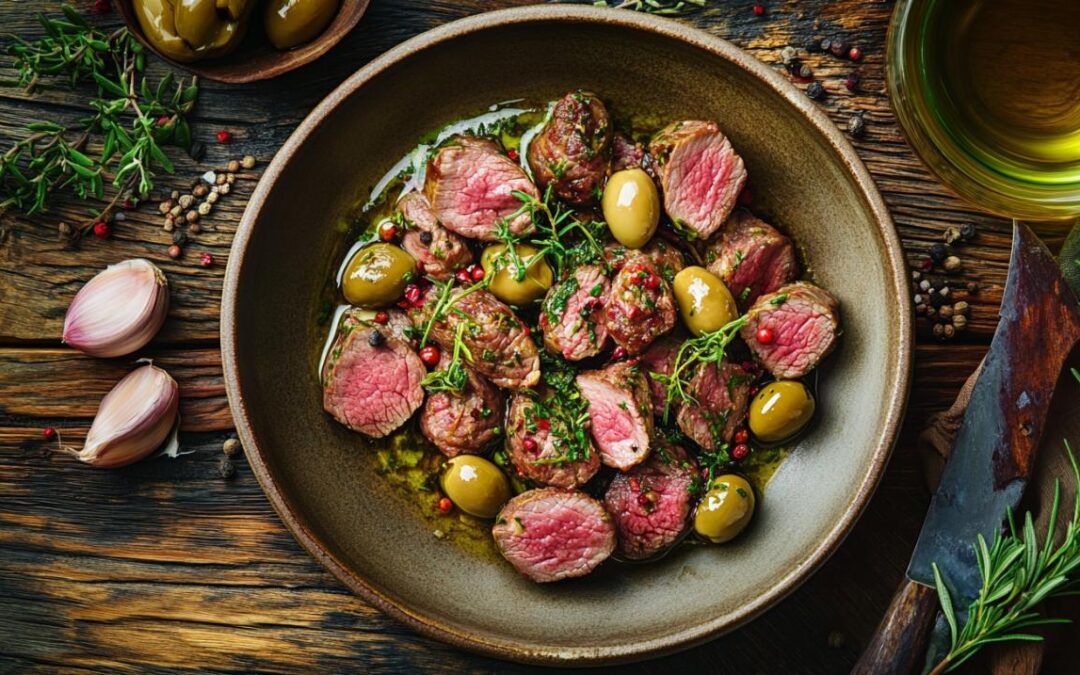
The rugged beauty of Corsica extends far beyond its dramatic coastline and mountainous interior. This Mediterranean island, nestled between the French and Italian mainlands, has cultivated a culinary identity that reflects centuries of cultural exchange, agricultural tradition, and a fierce sense of regional pride. Among the many dishes that capture the essence of Corsican cookery, veal with olives stands out as a testament to the island's ability to transform simple, locally sourced ingredients into something truly memorable. This hearty stew embodies the spirit of a people who have long relied on their land and sea, crafting meals that are as nourishing as they are flavourful.
The Heritage and Origins of Corsican Veal with Olives
Ancient mediterranean influences on corsican cookery
Corsican cuisine is a fascinating tapestry woven from threads of both French and Italian culinary traditions. The island's strategic position in the Mediterranean has made it a crossroads of empires, trade routes, and cultural influences. From 1284 to 1755, Corsica was under Genoese rule, a period during which Italian grape varieties and cooking techniques became firmly rooted in local culture. The Genoese brought with them a clone of the Sangiovese grape, which would later evolve into the Nielluccio variety that now defines much of the island's wine production. This Italian heritage is palpable in dishes that emphasise slow cooking, the use of aromatic herbs, and the pairing of meat with robust, earthy flavours.
When Corsica became French in 1769, the same year Napoleon was born on the island, another layer of culinary sophistication was added. French techniques of braising and the careful balance of wine, meat, and seasoning found their way into traditional recipes. The result is a unique gastronomic identity that neither fully embraces French refinement nor Italian rusticity, but instead carves out a distinct middle ground. Veal with olives is a prime example of this synthesis, combining the French love for tender, slow-cooked meat with the Italian tradition of incorporating olives and tomatoes into hearty stews. The dish reflects a history of adaptation and resilience, much like the Corsican people themselves.
The Role of Olives in Traditional Island Gastronomy
Olives have been cultivated in the Mediterranean for thousands of years, and Corsica is no exception. The island's climate, with its hot, dry summers and mild winters, provides ideal conditions for olive groves to flourish. Corsican olive oil is prized for its peppery, fruity notes, and the olives themselves are a staple in both everyday meals and celebratory feasts. In traditional Corsican cookery, olives are not merely a garnish or afterthought; they are integral to the flavour profile of many dishes, lending a briny depth that balances the richness of meats and the acidity of tomatoes.
In the context of veal with olives, the fruit of the olive tree serves multiple purposes. First, it provides a counterpoint to the tender, mildly flavoured veal, introducing a salty, slightly bitter note that prevents the dish from becoming overly rich. Second, olives release their oils during the slow cooking process, mingling with the wine and stock to create a sauce that is both complex and deeply satisfying. The choice to use pitted olives is practical, allowing diners to enjoy the dish without interruption, but it also reflects a broader philosophy in Corsican cooking: simplicity and ease of enjoyment are just as important as flavour. This approach to food is evident in many traditional recipes, from aziminu, a robust fish stew, to civet de sanglier, a wild boar casserole that showcases the island's game.
Essential ingredients and preparation techniques
Selecting Quality Veal, Wine, and Olive Oil for Authentic Flavour
The success of any traditional recipe hinges on the quality of its ingredients, and veal with olives is no exception. Veal shoulder is the preferred cut for this dish due to its ideal balance of meat and connective tissue. When braised slowly, the collagen in the shoulder breaks down, yielding a texture that is tender yet substantial. It is important to source veal that is pale in colour and finely grained, as these characteristics indicate youth and tenderness. In Corsica, where livestock often roam semi-wild across hillsides dotted with chestnut trees and wild herbs, the meat carries a subtle complexity that is difficult to replicate elsewhere.
Wine is another cornerstone of this recipe, and the choice of varietal can significantly influence the final flavour. Corsican wines, particularly those made from Nielluccio or Sciacarello grapes, are ideal companions for veal. Nielluccio, a descendant of Sangiovese, offers earthy, slightly tannic notes that complement the richness of the meat, while Sciacarello brings a softer, more aromatic profile with hints of red fruit and spice. A dry white wine made from Vermentino, with its crisp acidity and subtle citrus undertones, can also be used to add brightness to the stew. The wine not only deglazes the casserole, lifting the caramelised bits of meat and onion from the bottom of the pan, but also infuses the dish with a depth of flavour that water or stock alone cannot provide.
Olive oil is the final essential element, and Corsican olive oil is particularly prized for its robust, peppery character. This oil is used both to sear the meat and to enrich the sauce as it simmers. The quality of the olive oil can elevate the entire dish, adding layers of flavour that linger on the palate. In Corsica, olive oil tastings are as common as vineyard tours, and locals take great pride in their artisanal production methods. When selecting olive oil for this recipe, look for a product that is cold-pressed and labelled with its region of origin. The difference in taste between a mass-produced oil and a small-batch Corsican variety is profound, and it is worth seeking out the latter for an authentic experience.
Step-by-step method: from casserole to finished dish
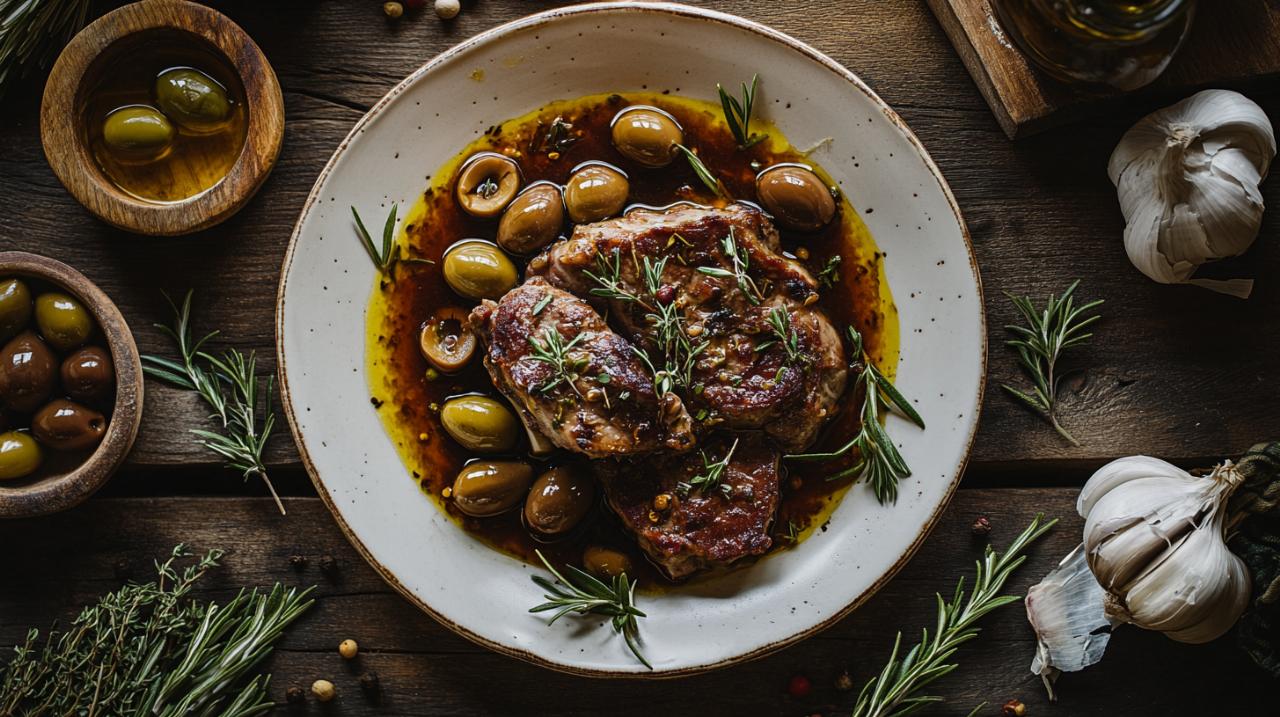
Preparing veal with olives is a process that rewards patience and attention to detail. Begin by cutting the veal shoulder into generous chunks, each roughly the size of a golf ball. This ensures that the meat remains moist and tender during the long cooking process. Heat a generous amount of olive oil in a heavy-bottomed casserole over medium-high heat, then add the veal in batches, being careful not to overcrowd the pan. Searing the meat properly is crucial, as it develops a caramelised crust that adds depth to the final sauce. Once each piece is browned on all sides, remove it from the casserole and set it aside.
Next, add diced onions to the same casserole, allowing them to soften and take on the flavours left behind by the meat. If you have applewood smoked bacon on hand, this is the time to introduce it, as the smoky, salty notes will infuse the entire dish. Once the onions are translucent and beginning to caramelise, return the veal to the casserole and pour in the wine, scraping the bottom of the pan to release any stuck-on bits. Allow the wine to reduce slightly before adding canned crushed tomatoes, which will form the base of the sauce. The tomatoes should be of good quality, as their sweetness and acidity will balance the saltiness of the olives and the richness of the veal.
At this stage, add the pitted olives along with a bouquet of fresh herbs. Traditional choices include thyme, rosemary, and bay leaves, all of which grow abundantly in the Corsican maquis, the island's distinctive scrubland. The herbs should be tied together with kitchen twine so they can be easily removed before serving. Season the stew with salt and pepper, keeping in mind that the olives will contribute additional salt as they cook. Cover the casserole with a lid and transfer it to a low oven, where it will braise gently for several hours. The low, even heat allows the flavours to meld and the veal to become fork-tender, resulting in a dish that is both comforting and refined.
Seasoning, garnishing, and serving your corsican veal
Balancing Salt, Pepper, and Fresh Herbs for Optimal Taste
Seasoning is an art that requires both restraint and confidence, particularly in a dish as nuanced as veal with olives. Because olives are inherently salty, it is wise to add salt sparingly at the beginning of the cooking process, tasting and adjusting only towards the end. Pepper, on the other hand, can be added more liberally, as its warmth and slight spiciness enhance the other flavours without overwhelming them. Freshly ground black pepper is preferable to pre-ground varieties, as it retains more of its aromatic oils and delivers a more vibrant kick.
The bouquet of herbs plays a dual role in this dish, acting as both a flavouring agent and an aromatic element that perfumes the kitchen as the stew simmers. Thyme, with its earthy, slightly minty notes, is a classic choice that pairs beautifully with veal. Rosemary, more assertive and pine-like, should be used with a lighter hand, as it can easily dominate. Bay leaves add a subtle complexity that is difficult to pinpoint but essential to the overall harmony of the dish. Once the cooking is complete, the herb bundle should be removed and discarded, as its job is done and the leaves can become unpleasantly fibrous if left in the stew.
Presentation tips and traditional accompaniments
Serving veal with olives is an opportunity to showcase the rustic elegance of Corsican cuisine. The stew should be presented in shallow bowls or deep plates, allowing the rich sauce to pool around the tender pieces of meat. A final drizzle of high-quality olive oil over the top adds a glossy finish and a burst of fresh, peppery flavour. Garnishing with a few whole olives and a sprig of fresh thyme not only enhances the visual appeal but also signals to diners the key ingredients they are about to enjoy.
Traditional accompaniments include polenta, known locally as pulenda, which is made from chestnut flour and has a slightly sweet, nutty flavour that complements the savoury stew. Alternatively, crusty bread is ideal for soaking up the sauce, ensuring that not a drop of the precious liquid goes to waste. A simple green salad dressed with olive oil and lemon juice can provide a refreshing contrast to the richness of the veal. When it comes to wine, a glass of Patrimonio or Ajaccio red, made from Nielluccio or Sciacarello grapes, is the perfect pairing, echoing the flavours used in the cooking and tying the meal together with a sense of place.
Corsican veal with olives is more than just a recipe; it is a window into the island's soul. It speaks of a people who have learned to make the most of their land, who honour their history while adapting to the present, and who understand that the best meals are those shared with family and friends around a table laden with simple, honest food. Whether enjoyed in a small village on the island or recreated in a kitchen far from the Mediterranean, this dish carries with it the flavours and stories of Corsica, inviting all who taste it to pause, savour, and remember.
by cafe-eilat | May 3, 2026 | Recipes
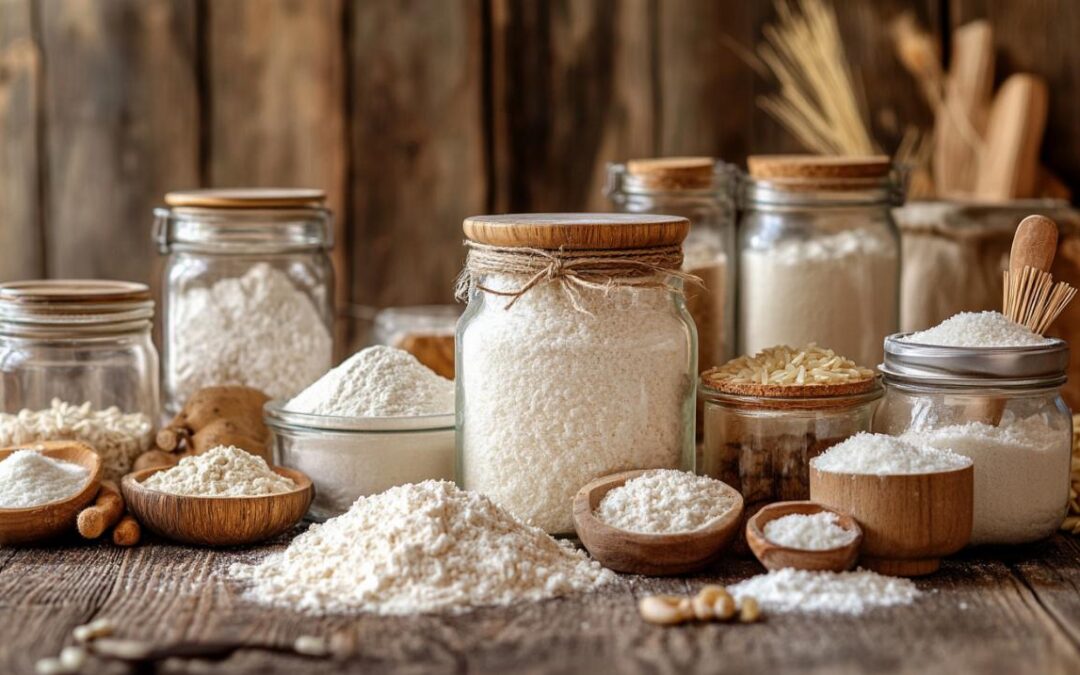
When you find yourself mid-recipe only to discover the cornflour tin is empty, panic can quickly set in. Yet there's absolutely no need to abandon your culinary ambitions. The world of thickening agents extends far beyond the familiar white powder many of us keep tucked away in the cupboard. Whether you're navigating dietary restrictions, experimenting with new textures, or simply working with what you've got on hand, there are numerous effective substitutes that can rescue your sauces, gravies, and desserts with aplomb.
Understanding why you might need to replace cornflour
The reasons for seeking an alternative to cornflour are as varied as the cooks who reach for them. Some households run out at the most inconvenient moments, whilst others are deliberately avoiding corn-based products due to allergies or sensitivities. Then there's the matter of carbohydrate content, which has become a pressing concern for those following specific eating patterns such as the keto diet. Cornflour, despite its remarkable thickening prowess, contains approximately twenty-five grammes of net carbs per ounce, making it entirely unsuitable for low-carb regimens. Beyond these practical considerations, certain recipes benefit from the unique characteristics that alternative starches bring to the table, whether that's improved clarity in a delicate sauce or a subtle flavour enhancement in a dessert.
Common reasons for seeking cornflour alternatives
The most straightforward reason many cooks seek alternatives is simple availability. Running out of cornflour when you're halfway through preparing a Sunday roast gravy is a scenario that resonates with countless home cooks. Yet dietary requirements have emerged as an equally compelling motivation. Those avoiding gluten often turn to cornflour as a safe option, but individuals with corn allergies or intolerances must look elsewhere entirely. Furthermore, the rise of ketogenic and other low-carbohydrate eating patterns has prompted many to reconsider their reliance on traditional starch-based thickening agents. When you're monitoring your carbohydrate intake meticulously, that seemingly innocuous tablespoon of cornflour can represent a significant portion of your daily allowance.
How different starches affect your recipes
Not all thickening agents behave identically in the kitchen, and understanding these differences can mean the distinction between culinary triumph and disappointment. Traditional wheat flour, for instance, can render sauces slightly opaque, which works beautifully in hearty gravies but might not suit a delicate fruit glaze. Potato starch thickens with remarkable speed, demanding careful attention to prevent your sauce from becoming overly viscous or developing an unpleasant texture from overheating. Meanwhile, tapioca starch requires double the quantity you'd use for cornflour and can turn unpleasantly stringy when exposed to high temperatures for extended periods. Each starch brings its own personality to your cooking, influencing not just thickness but also appearance, mouthfeel, and even flavour in subtle ways that become apparent once you start experimenting.
Brilliant Thickening Agents to Use Instead of Cornflour
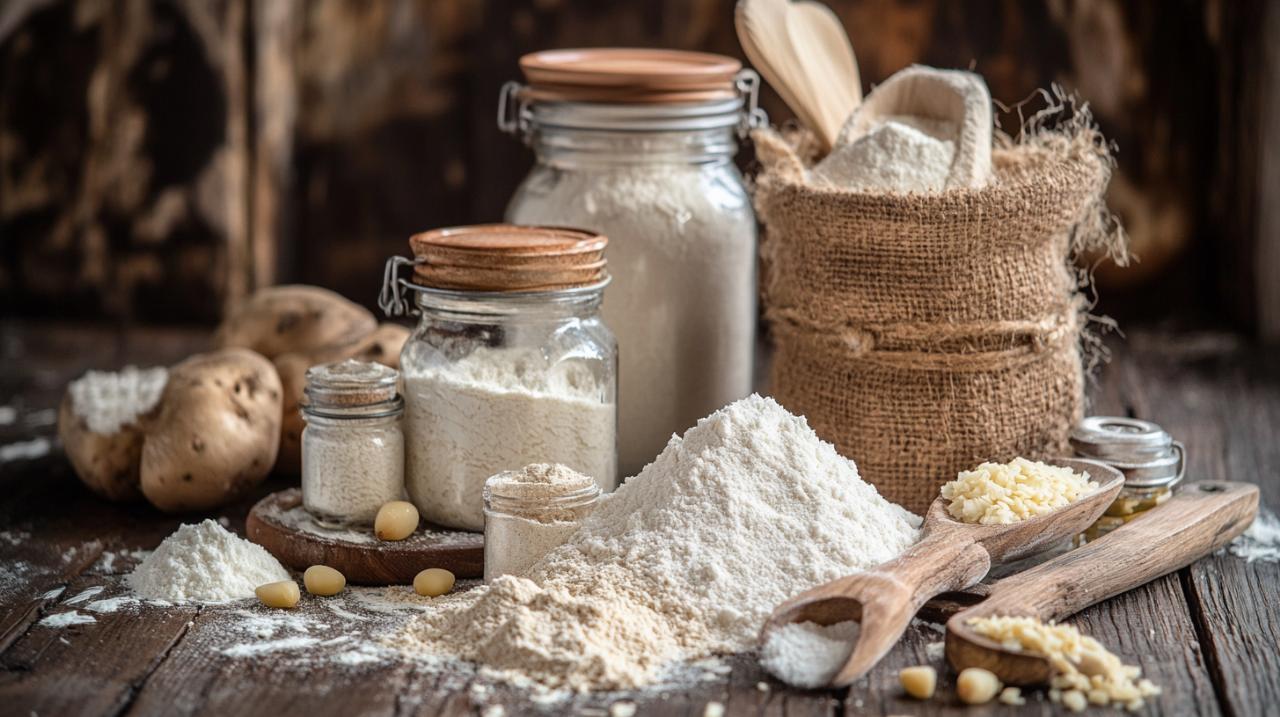
The array of alternatives available might surprise you, ranging from other refined starches to ground nuts and even vegetables. Arrowroot powder stands out as a particularly versatile option, working on a straightforward one-to-one ratio with cornflour and excelling in sauces and pie fillings, though it does tend to make dairy products rather slimy if you're not careful. Potato starch mirrors cornflour quite closely in behaviour, using the same ratio and thickening rapidly, which makes it excellent for quick pan sauces but requires vigilance to avoid overheating. For those willing to adjust their measurements, tapioca starch offers another possibility, though you'll need twice as much as you would cornflour, and it's best kept away from prolonged high-heat cooking to prevent that notorious stringiness from developing.
Gluten-free options for those with dietary requirements
Navigating gluten-free cooking needn't mean sacrificing texture or quality in your sauces. Glutinous rice flour, despite its misleading name, contains no gluten whatsoever and substitutes for cornflour at a one-to-one ratio, bringing with it an authenticity that's particularly valued in Asian cuisine. For those embracing ketogenic eating patterns, glucomannan powder emerges as an absolute champion, delivering remarkable thickening power with zero net carbs per cup and the added benefit of acting as a natural prebiotic that supports gut health and digestion whilst potentially improving cholesterol levels. Xanthan gum represents another powerful ally, though it requires only a quarter of the amount you'd use for cornflour and demands restraint, as excessive quantities can trigger digestive discomfort. Chia seeds provide an ingenious solution when mixed with liquid, forming a gel-like consistency whilst contributing valuable minerals including manganese, phosphorus, calcium, zinc, copper, and potassium, all for just two grammes of net carbs per ounce.
Traditional flour-based alternatives for sauces
Standard wheat flour remains the most accessible substitute in many kitchens, working at a one-to-one ratio with cornflour, though it does tend to cloud your liquids slightly, which might actually enhance the rustic appeal of certain traditional sauces. Almond flour brings something rather different to your cooking, contributing a subtle sweetness and nutty undertone that works magnificently in desserts and certain savoury applications. At one hundred sixty calories and three grammes of net carbs per quarter-cup, it delivers nutritional benefits including vitamins, minerals, and compounds that support heart health. Coconut flour demands a completely different approach, requiring just one quarter of the amount you'd use for cornflour due to its exceptional absorbency, making it most successful in recipes specifically designed to accommodate its unique properties. Even cauliflower has found its way into the thickening arsenal, with cooks boiling florets in broth before blending them into a creamy base that adds body to soups whilst keeping carbohydrate counts remarkably low.
Practical Tips for Substituting Cornflour in Your Favourite Recipes
Successfully replacing cornflour requires more than simply swapping one powder for another. The technique matters enormously, as does understanding the specific characteristics of your chosen substitute. Flaxseeds, for instance, contribute omega-3 fatty acids, antioxidants, and lignans to your dishes whilst adding virtually no net carbs at just two tablespoons, making them brilliant for health-conscious cooks. However, they create a slightly different texture than traditional starches, so you'll want to consider how that fits within your overall dish. Similarly, whilst xanthan gum proves invaluable for helping baked goods rise and thicken, using too much transforms your carefully crafted sauce into something resembling wallpaper paste.
Proper ratios when using different thickening starches
Getting your measurements right makes all the difference between success and a sticky disaster. Most straightforward substitutes including arrowroot powder, potato starch, glutinous rice flour, wheat flour, and almond flour work on a simple one-to-one basis with cornflour, making the mental arithmetic refreshingly simple. Tapioca starch breaks from this pattern, demanding twice the quantity, so if your recipe calls for one tablespoon of cornflour, you'll need two tablespoons of tapioca starch to achieve similar results. Coconut flour and xanthan gum move in the opposite direction, requiring significantly less than cornflour due to their potent thickening properties. For coconut flour, you'll need just one quarter of the original amount, whilst xanthan gum requires the same reduction, meaning a teaspoon of cornflour translates to merely a quarter teaspoon of either substitute. Understanding these conversions prevents the common pitfall of adding too much or too little, either leaving your sauce disappointingly thin or transforming it into an impenetrable gel.
Techniques for Achieving Perfect Consistency in Reduced Sauces
The method you employ when incorporating your chosen thickening agent can prove just as crucial as the ingredient itself. Many starches benefit from being mixed with cold liquid before introduction to your hot sauce, preventing those frustrating lumps that can plague even experienced cooks. When working with potato starch, remember that it thickens with remarkable speed, so add it gradually whilst stirring constantly, and remove your pan from the heat once you've achieved the desired consistency to prevent the sauce from becoming unpleasantly thick or developing an off texture. Arrowroot powder similarly requires gentle handling, particularly in dairy-based sauces where overzealous stirring or excessive heat can create that undesirable sliminess. For those experimenting with glucomannan powder, patience proves essential as it takes slightly longer to fully hydrate and reveal its thickening power, so resist the temptation to keep adding more before giving it adequate time to work. With cauliflower-based thickeners, achieving silky smoothness depends entirely on thorough blending, so invest the extra minute with your food processor or blender to ensure no lumps remain to spoil the texture of your finished sauce.
by cafe-eilat | May 2, 2026 | Equipment
Pocket knives have long held a special place in the world of everyday carry items, combining practicality with personal expression. Among the brands that have emerged to redefine what a modern folding knife can be, Deejo stands out with its commitment to creating lightweight, highly customisable, and aesthetically striking blades. For those considering an investment in a quality pocket knife that balances form and function, understanding what Deejo offers in terms of craftsmanship, real-world performance, and long-term value becomes essential. This guide explores the key aspects of Deejo knives, from their distinctive French design heritage to their pricing structures and potential resale value, helping you make an informed decision about whether these knives deserve a place in your collection or daily routine.
Understanding deejo knives: craftsmanship and design philosophy
Deejo has carved out a unique niche in the competitive world of pocket knives by focusing on a design philosophy that prioritises both elegance and practicality. The brand's approach is rooted in the belief that a knife should be an extension of its owner's personality, which is why customisation sits at the heart of their offering. Rather than producing mass-market blades that all look identical, Deejo invites customers to create something truly personal. This philosophy extends beyond mere aesthetics, influencing every aspect of their knives from the materials chosen to the manufacturing processes employed. The result is a product that feels less like a tool and more like a carefully considered accessory that happens to be remarkably functional.
The french heritage behind deejo's distinctive blade design
Deejo's origins in France play a significant role in shaping the brand's identity and design sensibilities. French craftsmanship has long been associated with attention to detail and an appreciation for refined aesthetics, qualities that are evident in every Deejo knife. The brand draws inspiration from traditional knife-making techniques whilst embracing contemporary manufacturing methods to create blades that are both timeless and modern. This blend of old-world craftsmanship and innovative thinking manifests in the clean lines and minimalist profiles that define Deejo's products. The company's commitment to maintaining a connection to its French roots is not merely a marketing tool but rather a fundamental aspect of how they approach design, ensuring that each knife reflects a certain je ne sais quoi that sets it apart from competitors. The emphasis on style without sacrificing substance has allowed Deejo to appeal to a broad audience, from those who appreciate the finer points of knife design to everyday users who simply want something that looks good whilst performing reliably.
Materials and manufacturing process: what makes deejo stand out
The materials and construction methods employed by Deejo are central to understanding the quality of their knives. At the core of every Deejo blade is Z40C13 stainless steel, a material chosen for its balance of sharpness retention, corrosion resistance, and ease of maintenance. This particular grade of steel strikes a practical middle ground, offering performance that suits everyday carry without requiring the kind of intensive care that some higher-end steels demand. The manufacturing process ensures that each blade is ground to a precise edge, ready to perform straight out of the box. Beyond the blade itself, Deejo offers a range of handle materials that allow for significant customisation, from lightweight synthetic options to more premium choices like wood and carbon fibre. This variety enables customers to tailor their knives not just in appearance but also in feel and weight distribution. The assembly process is designed to maintain tight tolerances, ensuring that the folding mechanism operates smoothly and reliably over time. Deejo's commitment to quality control means that even their entry-level models exhibit a level of fit and finish that compares favourably with more expensive offerings from other manufacturers. The combination of thoughtful material selection and precise manufacturing results in pocket knives that manage to be both lightweight knives and robust tools suitable for a variety of tasks.
Quality assessment: are deejo knives worth your investment?
Determining whether a pocket knife represents a worthwhile investment requires looking beyond marketing claims to examine real-world performance and user experiences. Deejo knives occupy an interesting position in the market, offering a level of customisation and aesthetic appeal that is relatively rare at their price point. However, the true measure of any blade lies in how it performs when put to regular use, how well it maintains its edge over time, and whether the overall construction holds up to the demands of daily carry. Assessing these factors provides a clearer picture of the value proposition that Deejo presents to potential buyers.
Performance testing: blade sharpness, durability and long-term reliability
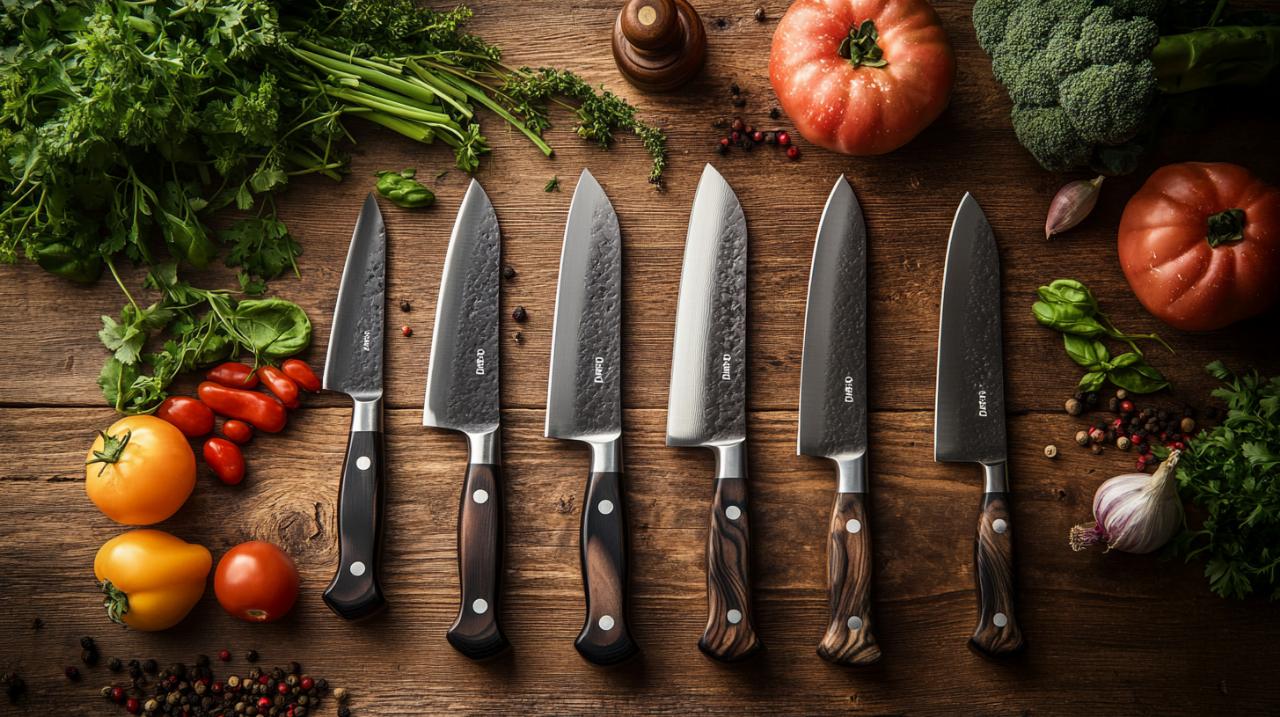
When evaluating the performance of Deejo knives, it is important to consider the context in which they are designed to operate. These are not heavy-duty work knives intended for demanding outdoor tasks or survival situations. Instead, they are conceived as everyday carry tools that excel at routine cutting tasks such as opening packages, preparing food, or handling general day-to-day needs. Within this scope, Deejo knives perform admirably. The Z40C13 stainless steel blades arrive sharp and maintain a serviceable edge through regular use, though they will require periodic maintenance to keep them at optimal performance. The lightweight construction, with models weighing as little as fifteen grams, makes these knives exceptionally easy to carry without adding noticeable bulk to your pocket. The folding mechanism operates smoothly, and the blade locks securely when open, providing confidence during use. Long-term reliability appears solid for knives in this category, with the metal components benefiting from a lifetime warranty that covers screws and other metal parts. The handle plate carries a two-year warranty, which is reasonable given that these components may be subject to more wear depending on the materials chosen. Users should be aware that the emphasis on lightweight design does mean these knives are more suited to precision tasks rather than heavy cutting, and treating them accordingly will ensure they remain reliable companions for years to come.
Customer experience and real-world usage feedback
The customer experience with Deejo extends beyond the physical product to encompass the entire purchasing and ownership journey. One of the brand's standout features is the promise of rapid turnaround, with customisable pocket knife orders typically shipped within forty-eight hours despite being personalised to individual specifications. This combination of customisation and speed is relatively uncommon in the knife industry and represents a significant advantage for those who want something unique without the extended wait times that custom work usually entails. Real-world feedback from users highlights the stylish design as a major draw, with many appreciating how these knives serve as conversation starters and accessories that complement personal style. The engraving options allow for meaningful personalisation, making these knives popular as gifts or commemorative items. Customer support appears responsive, and the brand offers comprehensive resources including a FAQ section that addresses common questions about manufacturing, maintenance, and legal considerations. The website facilitates international shipping and supports multiple currencies including pounds sterling and US dollars, making it accessible to a global audience. Users consistently note that whilst these knives may not be the choice for extreme use cases, they excel in their intended role as elegant everyday carry items that combine functionality with personal expression. The overall consensus suggests that for those seeking a lightweight, customisable pocket knife for daily tasks, Deejo delivers an experience that justifies the investment, particularly when considering the combination of aesthetics, performance, and the brand's customer-focused approach.
Pricing Strategy and Resale Value: Making a Smart Purchase Decision
Understanding the financial aspect of purchasing a Deejo knife involves examining both the initial outlay and the potential long-term value retention. Pocket knives can represent anything from disposable tools to investment pieces that appreciate over time, and knowing where Deejo falls on this spectrum helps inform whether these knives represent a smart purchase for your particular needs and budget.
Current market pricing: comparing value across different deejo models
Deejo's pricing structure reflects the range of options available within their product line. Entry-level models start at approximately thirty-five pounds, making them accessible to those looking for an affordable introduction to customisable pocket knives without a significant financial commitment. These base models still offer the core features that define the Deejo experience, including lightweight construction, sharp blades, and the ability to personalise your knife to some degree. As you move up the range, prices increase based on factors such as blade size, handle materials, and the complexity of design elements. Mid-range offerings typically fall around the one hundred pound mark, providing enhanced materials and more extensive customisation options whilst remaining within reach for most enthusiasts. At the premium end of the spectrum, luxury models can reach three hundred and ninety-nine pounds, incorporating exotic materials, intricate designs, and exceptional finishing. These high-end pieces blur the line between functional tools and collectible art objects. Beyond the pocket knives themselves, Deejo offers complementary products including steak knives, waiter's knives, and kitchen knives, as well as accessories such as sharpeners and sheaths that enhance the ownership experience. When comparing value across the range, the standard thirty-seven gram models appear to offer the best balance of features, performance, and price for most users. These knives provide the full Deejo experience without venturing into luxury pricing, making them suitable for everyday carry whilst still delivering the aesthetic appeal and customisation that define the brand. For those seeking the ultimate in portability, the twenty-seven gram ultralight models represent an impressive engineering achievement, though the slight premium reflects the additional precision required to reduce weight whilst maintaining structural integrity.
Resale Potential and Collector's Market for Deejo Pocket Knives
The resale market for Deejo knives presents an interesting picture that differs somewhat from traditional collectible knife brands. Unlike established names with decades of history and dedicated collector communities, Deejo is a relatively young brand that has built its reputation on customisation and contemporary design rather than historical significance or limited production runs. This positioning affects resale value in several ways. On one hand, the highly personalised nature of many Deejo knives can limit their appeal on the secondary market, as engravings and specific design choices that resonated with the original owner may not appeal as broadly to potential buyers. This personalisation factor typically means that customised Deejo knives sell for less on the used market than their original purchase price, sometimes significantly so. However, standard models without personalisation tend to hold their value somewhat better, particularly if they are well-maintained and come from the brand's more premium lines. The collector's market for Deejo remains modest compared to classic brands, though there is growing interest in contemporary knife designs among younger collectors who appreciate modern aesthetics and innovative manufacturing. Limited edition releases or collaborations could potentially command higher resale values in the future, particularly as the brand continues to establish its reputation. For those purchasing Deejo knives primarily as functional tools and personal accessories rather than investment pieces, the resale consideration becomes less critical, as the value derived from ownership and use outweighs eventual resale returns. That said, maintaining your knife in good condition, keeping original packaging, and opting for less personalised designs can help preserve resale value should you decide to move your knife along to a new owner. Ultimately, whilst Deejo knives may not appreciate in value like vintage collectibles, they represent a solid investment in quality everyday carry gear that provides tangible returns through years of reliable service and aesthetic enjoyment.

by cafe-eilat | Apr 29, 2026 | Healthy Food
Growing tomatoes at home represents one of the most rewarding gardening pursuits, combining the satisfaction of nurturing plants from tender seedlings to abundant harvests with the incomparable flavour of sun-ripened fruit picked fresh from your own patch. Whether you cultivate your tomatoes in greenhouse borders, containers on a sunny patio, or traditional garden beds, success hinges on understanding the fundamental requirements these heat-loving plants demand. Mastering the interplay between soil quality, consistent feeding regimes, proper watering schedules, and attentive care throughout the growing season transforms even modest growing spaces into productive tomato sanctuaries that deliver flavourful harvests from midsummer through early autumn.
Selecting the Right Tomato Varieties and Preparing Your Growing Space
Choosing Between Determinate and Indeterminate Varieties for Your Garden
Understanding the distinction between bush and cordon tomatoes forms the foundation of successful cultivation, as each type presents unique growth habits and spatial requirements. Bush tomatoes, classified botanically as determinate varieties, develop into compact, self-supporting plants that reach a predetermined height before setting all their fruit in a concentrated period. These varieties prove particularly valuable for gardeners working with limited vertical space or those seeking a manageable harvest window for preserving. Conversely, cordon tomatoes fall into the indeterminate category, continuing their upward growth throughout the season whilst producing fruit continuously along their extending stems. Varieties such as Sungold, renowned for its exceptionally sweet cherry tomatoes, and Tigerella, distinguished by its attractive striped fruit, exemplify popular cordon selections that reward gardeners with prolonged harvests when provided with sturdy support structures. The choice between these growth habits should reflect your available space, desired harvest pattern, and willingness to undertake regular pruning and training activities that cordon varieties demand.
Preparing Soil and Containers with Proper Drainage and Nutrients
Establishing the proper foundation for tomato growing begins with meticulous attention to soil quality and container preparation, as these factors directly influence nutrient availability and root health throughout the season. Enriching your growing medium with well-rotted organic matter and balanced fertilisers before planting creates the nutrient-rich environment tomatoes require for vigorous growth and abundant fruiting. When cultivating in containers, selecting pots with adequate drainage holes prevents waterlogging whilst ensuring sufficient volume allows root systems to establish properly. The technique of deep planting, where tomato seedlings are positioned with their lowest leaves just above soil level, encourages additional root development along the buried stem portion, creating a more robust root system capable of supporting heavy fruit loads. This approach proves particularly beneficial for cordon varieties that will carry substantial weight as fruits develop. Proper plant spacing emerges as equally critical, as crowding plants restricts sunlight exposure to lower foliage and reduces air circulation, creating conditions conducive to fungal infections whilst diminishing overall fruit yield. Allowing adequate room between plants ensures each receives sufficient light and air movement for optimal photosynthesis and disease prevention.
Essential Fertilisation Techniques and Feeding Schedules for Thriving Tomato Plants
Understanding NPK Ratios and Organic Fertiliser Options for Tomatoes
Comprehending the nutritional requirements of tomato plants throughout their lifecycle enables gardeners to select appropriate fertilisers and apply them at optimal intervals. The NPK ratio, representing nitrogen, phosphorus, and potassium content respectively, guides fertiliser selection based on plant development stage. During early vegetative growth, balanced formulations support leaf and stem development, whilst transitioning to higher potassium formulations as flowering commences encourages fruit set and flavour development. Organic fertiliser options including well-composted manure, seaweed extracts, and specially formulated tomato feeds provide slow-release nutrition whilst improving soil structure and microbial activity. These natural amendments prove particularly valuable for gardeners committed to sustainable cultivation practices, as they enhance long-term soil health beyond the immediate growing season. Incorporating these amendments into the soil before planting establishes a nutrient reserve, whilst supplementary feeding addresses the intensive nutritional demands tomatoes present as they develop heavy fruit loads.

Establishing a Weekly Feeding Routine from Transplanting to Harvest
Implementing a consistent weekly feeding routine from the moment young plants establish in their final positions until harvest concludes ensures continuous nutrient availability during critical growth phases. Commencing supplementary feeding approximately two weeks after transplanting, once plants have overcome transplant shock and resumed active growth, prevents nutrient deficiencies that manifest as yellowing foliage or stunted development. Tomato-specific liquid feeds applied according to manufacturer recommendations provide readily available nutrition that plants can absorb immediately, supporting the rapid growth rates characteristic of warm growing conditions. As fruits begin swelling, maintaining this feeding schedule becomes particularly crucial, as nutrient demands peak during fruit development. Monitoring plant response guides adjustments to feeding frequency or concentration, with vigorous growth and deep green foliage indicating adequate nutrition, whilst pale leaves or slow fruit development suggest increased feeding may prove beneficial. Balancing this nutritional support with appropriate watering practices, typically requiring moisture every two to three days depending on sunlight exposure and plant size, creates optimal conditions for fruit development whilst preventing common physiological disorders associated with irregular moisture availability.
Preventing common diseases and maximising your tomato harvest
Identifying and Treating Blight, Blossom End Rot, and Fungal Infections
Recognising and addressing common tomato afflictions swiftly preserves plant health and protects developing harvests from devastating losses. Tomato blight, manifesting initially as brown patches on foliage before spreading to fruits, represents the most serious fungal threat, particularly during warm, humid conditions that favour spore dispersal. Implementing preventative measures including adequate plant spacing for air circulation, avoiding overhead watering that creates persistently damp foliage, and promptly removing affected material limits disease spread. Blossom end rot, characterised by dark, sunken patches at the fruit base, results not from pathogenic infection but from calcium deficiency often triggered by irregular watering schedules that impair nutrient uptake. Maintaining consistent soil moisture through regular watering prevents this physiological disorder, whilst mulching around plants helps moderate soil temperature fluctuations and retain moisture. Fruit splitting similarly stems from erratic watering, as rapid moisture influx following dry periods causes fruits to expand faster than skin can accommodate. Additional challenges including whitefly pests require vigilant monitoring, with early intervention using organic controls or biological predators preventing population explosions that weaken plants and reduce yields.
Proper Pruning, Support Systems, and Harvesting Methods for Peak Flavour
Maintaining tomato plants through appropriate pruning techniques and robust support structures maximises fruit quality whilst preventing physical damage to heavily laden stems. For cordon varieties, regularly removing side shoots that emerge between main stems and leaf branches concentrates plant energy into fruit production rather than excessive vegetative growth. This practice, performed weekly during active growth, prevents plants becoming unwieldy tangles whilst improving air circulation through the canopy. Installing sturdy support structures at planting time, whether traditional bamboo canes, spiral supports, or string training systems in greenhouse cultivation, prevents the need for later installation that risks disturbing established root systems. As plants ascend their supports, securing stems loosely with soft ties prevents constriction whilst providing necessary anchorage against wind damage and fruit weight. Harvesting commences from midsummer as fruits reach full colour and yield slightly to gentle pressure, indicating optimal ripeness. Checking plants regularly during peak season prevents over-ripening on the vine, though leaving tomatoes at room temperature after picking rather than refrigerating them preserves the complex flavour compounds that cold storage diminishes. This attention to harvest timing and post-harvest handling ensures the superior taste that motivates home gardening efforts, delivering flavour that surpasses commercially grown alternatives whilst providing the satisfaction inherent in successfully nurturing crops from seedling to table.

by cafe-eilat | Apr 28, 2026 | Healthy Food
Peas have long been a staple of British cuisine, from the classic mushy peas served alongside fish and chips to the vibrant green spheres adorning Sunday roasts. Yet beyond their familiar presence on our plates, these tiny legumes are garnering attention from nutritional professionals and fitness enthusiasts alike. As more people explore plant-based diets and sustainable protein sources, the question arises: just how do peas measure up in the nutrition stakes, and can pea protein truly rival the longstanding champion of the supplement world, whey protein? This examination delves into the nutritional profile of peas, compares the merits of pea protein versus whey protein, and offers practical guidance on incorporating these versatile legumes into everyday eating.
The nutritional profile of peas: a comprehensive overview
Vitamins, Minerals, and Macronutrients in Peas
Peas are remarkably nutrient-dense, offering a rich array of vitamins and minerals that contribute to overall health and wellbeing. They serve as a brilliant source of key nutrients, particularly when cooked or incorporated into a dish, making them a sensible food choice for those seeking to enhance their daily intake of essential vitamins. Among the vitamins present in peas, you will find significant amounts of vitamin K, which plays a crucial role in blood clotting and bone health, as well as vitamin C, an antioxidant that bolsters the immune system and supports skin health. The presence of B vitamins, including folate, thiamine, and niacin, further underscores the value of peas in supporting energy metabolism and nervous system function.
In terms of minerals, peas are particularly noteworthy for their iron content, which is essential for the production of red blood cells and the prevention of anaemia. When considering pea protein powder, a single scoop of approximately thirty grams can provide a substantial portion of your daily iron requirements, making it an appealing option for those who follow plant-based diets and may struggle to obtain sufficient iron from other sources. Additionally, peas contain calcium, which supports bone health, and potassium, which helps regulate blood pressure and fluid balance. The fibre content in peas is another standout feature, aiding digestion and promoting a healthy gut by supporting the growth of beneficial bacteria. This fibre also contributes to a feeling of fullness, which can be particularly helpful for weight management and slimming diets.
The macronutrient composition of peas strikes a balance that makes them suitable for a variety of dietary patterns. They contain a moderate amount of carbohydrates, which provide energy, while remaining low in calories and fats. The protein content in peas is significant, making them a valuable addition to meals for those seeking to increase their protein intake without relying on animal products. This combination of proteins and fibre makes peas an appropriate choice, recommended by nutritional professionals, that can be incorporated into a daily diet to support both health and fitness goals.
Calorie content and glycemic index considerations
One of the appealing aspects of peas is their relatively low calorie content, which allows them to be enjoyed in generous portions without excessive energy intake. This characteristic makes them particularly suitable for individuals who are mindful of their calorie consumption, whether for weight management or general health. A serving of peas provides essential nutrients without the burden of high fat or sugar content, making them a sensible and wholesome addition to meals. The fact that they contain minimal fats and zero cholesterol further enhances their reputation as a heart-healthy food.
When it comes to carbohydrates, peas do contain a notable amount, but their impact on blood sugar levels is relatively moderate. Unlike some other foods that cause rapid spikes in blood glucose, peas have reasonable glycemic index values, which means they release energy more slowly and steadily. This slower release helps maintain stable blood sugar levels, reducing the risk of energy crashes and supporting sustained energy throughout the day. For individuals with diabetes or those aiming to manage their blood sugar levels, peas can be a valuable component of a balanced diet. The presence of fibre in peas also contributes to this beneficial effect, as fibre slows the absorption of sugars and helps regulate the glycemic response.
The nutritional profile of peas, combined with their low calorie density and moderate glycemic index, makes them an excellent choice for a wide range of dietary needs. Whether you are looking to support weight loss, maintain steady energy levels, or simply enjoy a nutritious and satisfying food, peas offer a versatile and beneficial option. Their ability to fit seamlessly into various dishes, from soups and salads to risottos and casseroles, further underscores their value in everyday cooking.
Pea protein versus whey protein: a detailed comparison
Protein quality and amino acid profiles
When evaluating protein sources for sports nutrition and athletic performance, the quality and composition of amino acids are paramount. Whey protein has long been celebrated for its complete amino acid profile, containing all nine essential amino acids that the body cannot synthesise on its own. This completeness makes whey protein an excellent choice for muscle recovery and muscle growth, as it provides the building blocks necessary for repairing and building muscle tissue. In particular, whey protein is known for its high leucine content, an essential amino acid that plays a critical role in stimulating muscle protein synthesis. This characteristic has cemented whey protein's reputation as a go-to option for athletes and fitness enthusiasts seeking to optimise their post-exercise recovery and enhance their performance.
Pea protein, derived from yellow split peas, offers a compelling plant-based alternative that has gained traction among vegans and those with dairy allergies or lactose intolerance. While pea protein is rich in many essential amino acids, it may have low levels of one particular amino acid, methionine. However, this limitation is often overstated, as pea protein still provides a robust profile that supports muscle strength and recovery when consumed as part of a varied diet. For individuals who consume a range of plant-based protein sources, the slightly lower methionine content in pea protein is unlikely to pose a significant issue, as other foods can easily compensate for this gap.
Recent research has explored the efficacy of pea protein in comparison to whey protein, particularly in the context of athletic performance. A study involving male under-twenty football players examined the effects of pea protein and whey protein supplementation on recovery markers following a simulated match. Participants received either pea protein or whey protein at a dose of half a gramme per kilogram of body weight after training sessions over a period of ten days. Blood samples were collected before the match, immediately after, and at intervals of twenty-four, forty-eight, and seventy-two hours post-match to assess markers such as creatine kinase, aspartate transaminase, alanine transaminase, lactate, urea, creatinine, and uric acid. Additionally, metabolomic profiling using nuclear magnetic resonance was conducted to provide a comprehensive picture of the metabolic responses.
The findings revealed that the pea protein group exhibited lower creatine kinase levels post-game and at twenty-four and forty-eight hours, suggesting reduced muscle damage. Furthermore, the pea protein group showed lower lactate levels immediately after the game and lower alanine transaminase levels immediately post-game and at twenty-four hours. These results indicate that pea protein may offer similar, if not superior, benefits for muscle recovery compared to whey protein. Out of forty-eight metabolites examined, twenty-two showed significant differences over time, including amino acids, ketone bodies, and markers related to glucose metabolism. Notably, the whey protein group experienced increased glutamate and lactate between pre- and post-game, along with reduced levels of arginine and taurine after the match, changes that were not observed in the pea protein group. By seventy-two hours post-match, no differences in metabolites were detected, suggesting that both protein sources ultimately support recovery, albeit through slightly different metabolic pathways.
Digestibility, allergen considerations, and sustainability
Digestibility is a key factor when choosing a protein supplement, as it influences how effectively the body can absorb and utilise the protein. Whey protein is renowned for its fast absorption, making it an ideal choice for immediate post-exercise recovery. This rapid digestion allows the amino acids to be quickly delivered to muscles, facilitating prompt repair and growth. However, for individuals with lactose intolerance, whey protein may cause bloating, discomfort, and digestive upset, as it is derived from milk and can contain residual lactose. This limitation has driven many people to seek alternatives that do not trigger such adverse reactions.
Pea protein digests more slowly than whey protein, which can be advantageous in certain contexts. The slower digestion rate provides a more sustained release of amino acids into the bloodstream, which may support prolonged muscle protein synthesis and help maintain a positive nitrogen balance over a longer period. This characteristic can be particularly beneficial for individuals who prefer a steady supply of protein throughout the day or who may not have the opportunity to consume frequent meals. Furthermore, pea protein is free from common allergens such as dairy and gluten, making it suitable for those with food intolerances or allergies. Its vegan protein status also aligns with ethical and dietary preferences, offering a plant-based protein option that does not compromise on quality or effectiveness.
Sustainability is an increasingly important consideration in modern nutrition, as the environmental impact of food production becomes more widely recognised. Pea protein is more sustainable and has a lower environmental impact compared to dairy protein. The cultivation of yellow split peas requires fewer resources, such as water and land, and produces lower greenhouse gas emissions compared to dairy farming. Additionally, peas have the ability to fix nitrogen in the soil, which can improve soil health and reduce the need for synthetic fertilisers. These factors make pea protein an attractive option for environmentally conscious consumers who wish to reduce their carbon footprint while still meeting their protein needs.
When stored correctly, pea protein has a longer shelf life than some other protein powders, which adds to its practicality and convenience. This extended shelf life means that it can be purchased in larger quantities without the risk of spoilage, making it a cost-effective option for regular use. The combination of digestibility, allergen considerations, and sustainability makes pea protein a viable and attractive alternative to whey protein, particularly for those who prioritise plant-based nutrition, environmental responsibility, or who have specific dietary restrictions.
Incorporating peas into your daily diet
Versatile cooking methods and recipe ideas
Peas are wonderfully versatile and can be incorporated into a wide range of dishes, from traditional British favourites to contemporary culinary creations. One of the simplest and most popular ways to enjoy peas is by adding them to soups, where they contribute both flavour and texture. A classic French pea soup, for example, combines fresh or frozen peas with onions, garlic, and vegetable stock to create a smooth and comforting dish that is both nutritious and satisfying. The natural sweetness of peas pairs beautifully with herbs such as mint and parsley, enhancing the overall taste and aroma of the soup.
Risotto is another excellent vehicle for showcasing the delicate flavour of peas. A pea risotto can be prepared by gently cooking arborio rice with vegetable stock, white wine, and Parmesan cheese, then stirring in fresh peas towards the end of the cooking process. The result is a creamy and indulgent dish that highlights the vibrant green colour and tender texture of the peas. For a lighter option, peas can be tossed into pasta dishes, salads, or grain bowls, where they add a pop of colour and a nutritious boost. Their ability to complement a variety of ingredients makes them a staple in many kitchens.
For those who enjoy experimenting with different cooking methods, peas can be roasted, sautéed, or even blended into dips and spreads. Roasting peas with a drizzle of olive oil and a sprinkle of sea salt creates a crunchy and addictive snack that is both healthy and delicious. Sautéing peas with garlic and onions provides a simple yet flavourful side dish that pairs well with a variety of main courses. Blending cooked peas with tahini, lemon juice, and herbs can yield a vibrant and nutritious dip that serves as a wonderful alternative to traditional hummus. These diverse cooking methods ensure that peas can be enjoyed in countless ways, catering to different tastes and dietary preferences.
Practical Tips for Weight Management and Gut Health
For individuals seeking to manage their weight, incorporating peas into meals can be a strategic and effective approach. The high fibre content in peas promotes a feeling of fullness and satiety, which can help reduce overall calorie intake and prevent overeating. By including peas in soups, stews, and casseroles, you can create hearty and satisfying meals that are low in calories but rich in nutrients. This makes peas an ideal food for slimming diets, as they provide essential vitamins, minerals, and proteins without contributing excessive energy.
Gut health is another area where peas shine, thanks to their impressive fibre content. Dietary fibre acts as a prebiotic, feeding the beneficial bacteria in the gut and supporting a healthy digestive system. A well-functioning gut is linked to numerous health benefits, including improved immune function, better nutrient absorption, and a reduced risk of chronic diseases. By regularly consuming peas, you can help maintain a diverse and balanced gut microbiome, which is essential for overall health and wellbeing. Additionally, the fibre in peas can aid in regulating bowel movements and preventing constipation, further supporting digestive health.
To maximise the nutritional benefits of peas, it is advisable to pair them with other nutrient-dense foods as part of a balanced diet. Combining peas with whole grains, lean proteins, and healthy fats can create well-rounded meals that provide sustained energy and support various bodily functions. For example, a quinoa salad with peas, cherry tomatoes, cucumber, and a lemon-tahini dressing offers a delicious and nutritious meal that is rich in fibre, protein, and essential nutrients. Similarly, a stir-fry featuring peas, tofu, and a variety of colourful vegetables can deliver a satisfying and healthful dinner option.
For those who use protein supplementation as part of their fitness routine, pea protein powder can be easily incorporated into smoothies, porridge, and baked goods. Blending pea protein with fruits, leafy greens, and a source of healthy fat such as nut butter or avocado creates a nutrient-packed smoothie that supports muscle recovery and overall health. Adding pea protein to oatmeal or pancake batter can boost the protein content of breakfast, helping to keep you full and energised throughout the morning. These practical tips make it simple to enjoy the benefits of peas and pea protein in everyday life, whether your goal is weight management, improved gut health, or enhanced athletic performance.
by cafe-eilat | Apr 26, 2026 | Recipes
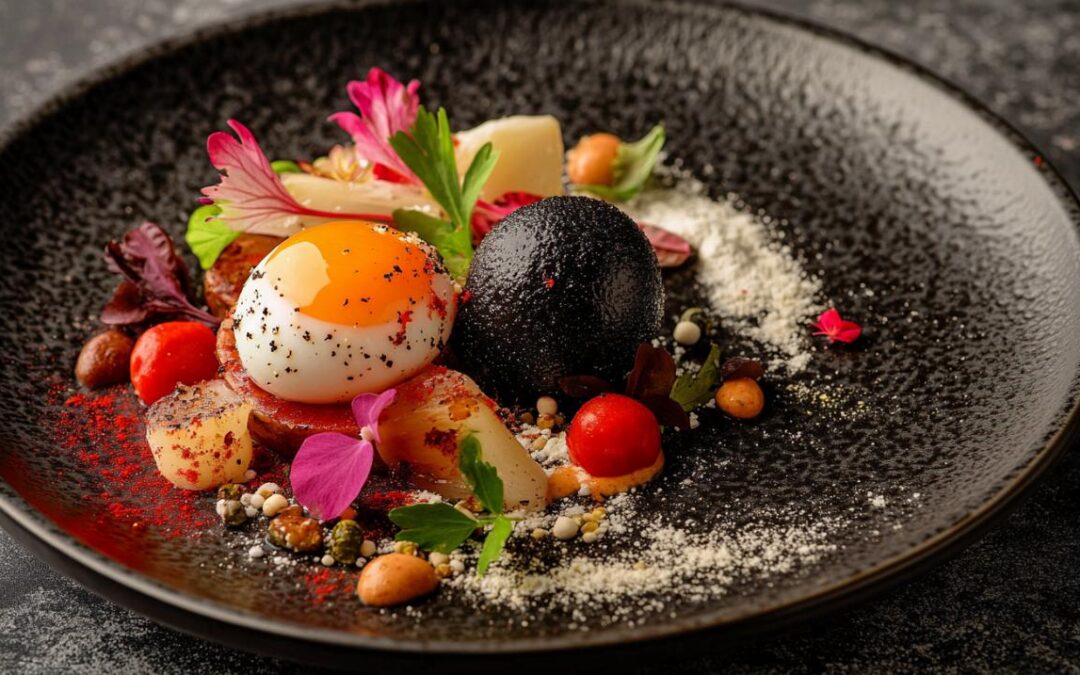
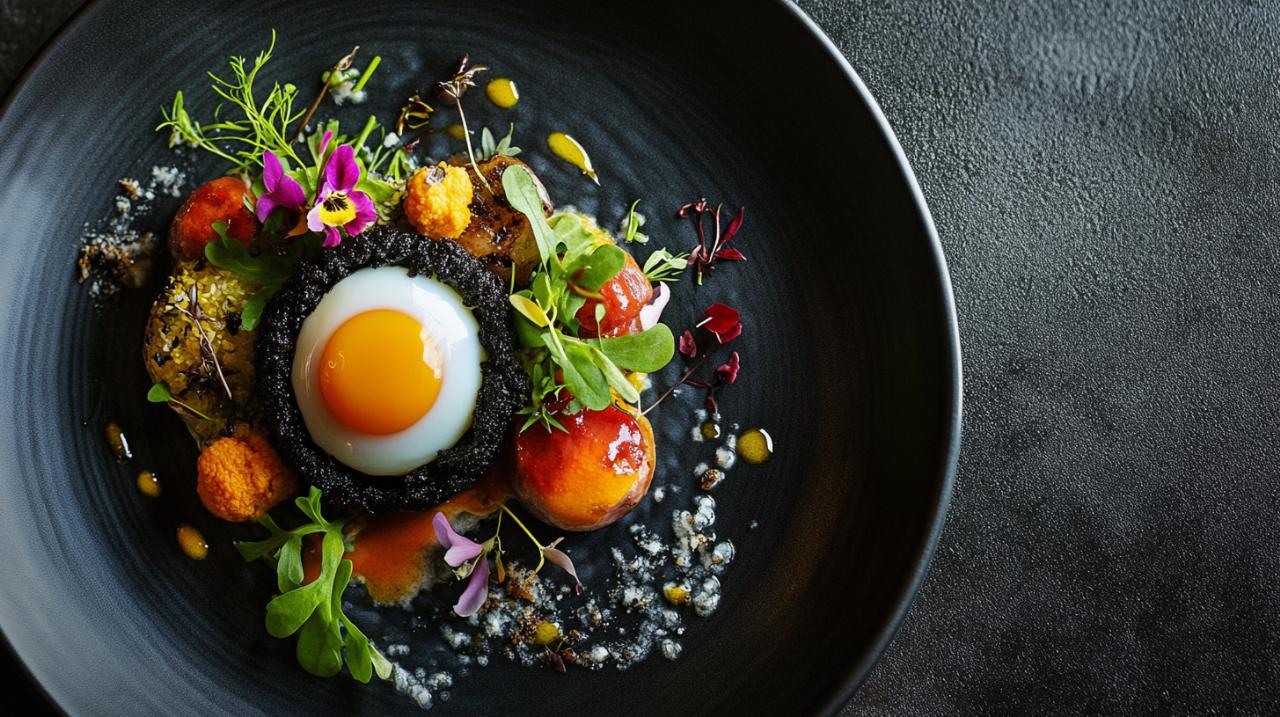
Imagine presenting a dish so captivating that your dining companions pause mid-conversation, their eyes drawn to the exquisite creation before them. This recipe transcends ordinary culinary experiences, marrying wild ingredients with refined technique to deliver something truly memorable. Within minutes, you can transform humble quail eggs into an elegant centrepiece that deserves a place at your most sophisticated gatherings, all whilst embracing the earthy bounty that winter provides.
Gathering nature's bounty: sourcing wild ingredients for this exceptional dish
The foundation of any exceptional recipe lies in the quality of its ingredients, and this unique preparation demands nothing less than the finest natural components. Quail eggs, with their delicate shells and rich, golden yolks, form the heart of this dish, offering a subtle sweetness and velvety texture that chicken eggs simply cannot replicate. When selecting these precious gems, look for specimens with unblemished shells and a slight heft that suggests freshness. The winter months, though seemingly barren, actually offer a wealth of earthy treasures for those willing to venture beyond the supermarket aisles.
Selecting the Finest Quail Eggs and Earthy Accompaniments
Quail eggs can be sourced from reputable farms or speciality food markets, where their provenance is carefully documented. The best specimens come from birds raised on varied diets rich in insects and wild seeds, which impart a depth of flavour that intensifies the final dish. Alongside these delicate eggs, consider gathering mushrooms such as winter chanterelles or velvet shank, which thrive in the colder months and bring a robust, woodland character to the preparation. Wild garlic, if you can locate it in sheltered spots, adds a pungent brightness that cuts through the richness of cream beautifully.
Seasonal foraging tips for winter's hidden treasures
Winter foraging requires patience and knowledge, but the rewards are substantial. Focus your search on south-facing woodland edges where frost melts first, revealing clusters of hardy greens and roots. Chickweed and winter purslane offer peppery notes that complement the dish's creamy elements, whilst wild sorrel provides a citrus-like tang. Always verify your findings with reliable field guides, and never harvest more than you need, respecting the delicate balance of nature. These wild ingredients not only elevate the recipe but also connect your dining experience to the landscape itself, creating a narrative that guests will find utterly compelling.
Mastering the Bain-Marie Technique: Gentle Cooking for Delicate Perfection
The bain-marie, or water bath, represents one of cooking's most elegant solutions for achieving precise temperature control. This method envelops your ingredients in gentle, ambient heat, preventing the direct flame from shocking delicate proteins and causing unpleasant textures. For this recipe, the technique ensures that the quail eggs cook evenly, their whites setting to a silken consistency whilst the yolks remain gloriously liquid or just barely thickened, depending on your preference.
Setting up your water bath for optimal temperature control
Begin by selecting a wide, shallow pan that can comfortably accommodate your ramekins or small dishes without crowding. Fill the pan with water to a depth of roughly five centimetres, then bring it to a gentle simmer over moderate heat. The water should bubble lazily, not roll violently, as excessive turbulence can splash into your dishes and compromise the final result. Place your prepared ramekins, each containing a quail egg nestled in a bed of foraged greens and a generous spoonful of cream, into the bath. The water level should reach approximately halfway up the sides of the ramekins, creating an insulating barrier that cooks the eggs with remarkable uniformity.
Timing your preparation: from minutes to magnificent results
Timing is critical when working with such delicate ingredients. For a softly set white with a molten yolk, allow the ramekins to cook for approximately eight to ten minutes, checking periodically by gently jiggling the dish. The mixture should wobble slightly at the centre whilst the edges appear firm. If you prefer a firmer yolk, extend the cooking time by two or three minutes, but remain vigilant to avoid overcooking, which can render the yolk chalky and diminish the dish's luxurious character. The beauty of this preparation lies in its simplicity and speed, transforming raw ingredients into a sophisticated offering in mere minutes without sacrificing quality or finesse.
Crafting a Memorable Experience: Presenting This Unique Recipe to Your Dining Companions
Presentation transforms a meal into an event, and this dish offers ample opportunity to impress your guests with both visual appeal and thoughtful composition. The contrast between the pristine white of the egg, the earthy tones of foraged greens, and the ivory richness of cream creates a tableau that speaks to both rustic authenticity and refined elegance. Serve the ramekins on small plates lined with linen napkins to prevent sliding, and garnish with a final flourish of freshly cracked black pepper and perhaps a whisper of wild herbs.
Elevating Your Dish with Luxurious Cream and Textural Elements
The choice of cream significantly influences the final character of the dish. Double cream, with its high fat content, lends a velvety mouthfeel and mild sweetness that harmonises beautifully with the quail eggs. For added complexity, consider infusing the cream with thyme or bay leaf before incorporating it into the ramekins, allowing the herbs to steep gently whilst the cream warms. Textural contrast elevates the dining experience further, so consider adding a delicate sprinkle of toasted breadcrumbs or crushed hazelnuts to the surface before serving. These elements provide a satisfying crunch that plays against the smooth custard-like base, making each spoonful a study in balance.
Health considerations and nutritional benefits this creation deserves recognition for
Whilst this recipe indulges the senses, it also offers notable health benefits that deserve acknowledgement. Quail eggs are nutrient-dense, providing high-quality protein, essential vitamins such as B12 and riboflavin, and minerals including iron and selenium. They contain less saturated fat than many other protein sources, making them a heart-friendly choice when consumed in moderation. The wild greens contribute vitamins A and K, alongside dietary fibre and antioxidants that support overall wellbeing. Cream, though rich, provides fat-soluble vitamins and, when enjoyed as part of a balanced diet, contributes to satiety and the absorption of nutrients from the accompanying vegetables. This dish, therefore, represents not merely an indulgence but a thoughtful composition that nourishes body and soul alike, proving that exceptional cuisine can honour both pleasure and health in equal measure.
by cafe-eilat | Apr 25, 2026 | Restaurants
Philippe Etchebest stands as one of the most celebrated figures in modern French cuisine, a chef whose journey from a young student in Talence to a two-Michelin-starred maestro in Bordeaux embodies passion, dedication, and an unwavering commitment to gastronomic excellence. His story is not merely one of culinary accolades, but a testament to how tradition, innovation, and heartfelt communication with diners can elevate a restaurant into a cherished institution. Through decades of refining his craft, Etchebest has become synonymous with the very best of French gastronomy, earning respect both in professional kitchens and among television audiences across the nation.
The Early Years and Culinary Formation of Philippe Etchebest
From humble beginnings to professional kitchen training
Born in 1966, Philippe Etchebest grew up surrounded by the aromas and rhythms of gastronomy, with his family deeply embedded in the culinary world. When his family settled in Bordeaux in 1979, the young Etchebest found himself drawn to the kitchens that shaped the city's vibrant food culture. At just fourteen years old, he made the bold decision to enter catering school in Talence, a choice that would set the course for his entire career. This early immersion in professional training gave him a foundation in classical French techniques, an understanding of seasonal ingredients, and the discipline required to thrive in the demanding environment of haute cuisine. The structured education he received was not merely about recipes and methods, but about cultivating a respect for produce, precision, and the artistry that transforms simple ingredients into memorable dishes.
Mentorship and influences that shaped his gastronomic vision
As Etchebest advanced through the ranks of prestigious kitchens, he sought out mentors who could deepen his understanding of French culinary traditions. His time working in renowned establishments such as Jean Bardet and Le Gray d'Albion exposed him to rigorous standards and creative approaches that would later inform his own style. A particularly significant influence came during an internship in 1987 with chef Jacques Chibois, whose mastery and philosophy left an indelible mark on the young cook. Chibois taught him the importance of balancing respect for tradition with the courage to innovate, a lesson that Etchebest has carried throughout his career. These formative experiences, combined with his natural talent and relentless work ethic, prepared him to lead kitchens and eventually to claim his place among the elite of French chefs.
The Journey to Michelin Star Recognition in Bordeaux
Establishing his signature restaurant and achieving michelin excellence
Philippe Etchebest's ascent to Michelin-starred glory began in earnest when he became head chef at Château Grand Barrail in Saint Emilion, where his culinary vision started to take shape. His dedication and skill did not go unnoticed, and in 1999 he was voted Best Potential by Gault & Millau, a clear signal that the gastronomic world was watching. The following year, he earned the prestigious title of Meilleur Ouvrier de France in 2000, cementing his reputation as a craftsman of the highest order. His first Michelin star came in 2001 at Château des Reynats, a milestone that validated years of relentless pursuit of perfection. He then achieved a second Michelin star at Hostellerie de Plaisance, demonstrating his ability to maintain excellence and evolve his cuisine. Most recently, his restaurant Maison Nouvelle in Bordeaux was awarded two stars in the Michelin Guide 2025, unveiled at the Metz Convention Centre on March thirty-first, making it one of only nine restaurants to receive this honour in that year's guide. The restaurant earned its second star within three years of receiving its first, a testament to Etchebest's consistent brilliance and his team's dedication.

The philosophy behind his french recipes and quality-driven approach
At the heart of Etchebest's success lies a philosophy that champions seasonal cooking, respect for ingredients, and a deep connection to the land and producers of the Bordeaux region. His signature dishes, such as ravioli with creamy mushroom sauce and foie gras, as well as entrecôte Bordelaise, showcase his ability to transform classic French recipes into refined, unforgettable experiences. The Michelin Guide praised Etchebest specifically for his mushroom ravioli and entrecôte Bordelaise, dishes that exemplify his commitment to quality and his mastery of technique. He believes that great cuisine begins with sourcing the finest ingredients and allowing their natural flavours to shine, rather than overwhelming them with unnecessary complexity. This approach resonates not only in his starred establishments but also in his advocacy for home cooking, as he encourages everyday cooks to embrace simple equipment and seasonal produce. His recent book of one hundred easy recipes reflects this ethos, making his culinary wisdom accessible to a broader audience and reinforcing the idea that excellence in cooking is as much about passion and care as it is about technical prowess.
Etchebest's Influence on French Gastronomy and His Parisian Presence
Expanding His Culinary Empire and Communication with Diners
Beyond his achievements in Bordeaux, Philippe Etchebest has extended his influence across France, including a notable presence in Paris. He opened Le Quatrième Mur at the Bordeaux opera house, a restaurant that marries elegant surroundings with his distinctive culinary style, followed by La Table d'Hôtes, further diversifying his portfolio. His plans to open another restaurant in the Chartrons district with Top Chef winner Camille Delcroix signal his ongoing commitment to innovation and collaboration with emerging talent. Etchebest's ability to communicate effectively with guests has been a hallmark of his career, whether through the warm hospitality of his dining rooms or his engaging presence on French television. Since 2011, he has balanced his kitchen life with a successful television career, presenting cooking shows that have popularised his culinary vision and brought the art of French cooking into homes across the nation. His work on Top Chef has made him a household name, allowing him to inspire a new generation of cooks and diners alike. This dual role as chef and television personality has not diluted his dedication to the kitchen but has instead amplified his message that quality, respect for ingredients, and heartfelt communication are the cornerstones of great gastronomy.
His Role as an Emblematic Figure in Modern French Cuisine
Philippe Etchebest has become an emblematic figure in modern French cuisine, representing both the enduring traditions of haute cuisine and the evolving landscape of contemporary gastronomy. His achievements, including multiple Michelin stars and the prestigious Meilleur Ouvrier de France title, have positioned him as a guardian of French culinary heritage. Yet he is equally a champion of transparency and quality, advocating for restaurants to be clear about the origins of their ingredients in order to compete on the international stage. He has noted the challenges facing French cuisine, from rising costs and economic pressure post-COVID to the need for innovation and adaptability in a rapidly changing world. Despite these challenges, his restaurants consistently achieve gastronomic excellence, earning accolades not only from the Michelin Guide but also from critics and diners who value his commitment to seasonal cooking and his ability to craft dishes that are both technically flawless and deeply satisfying. His influence extends beyond the confines of his own establishments, as he continues to shape the conversation around French gastronomy through his books, television appearances, and mentorship of young chefs. Looking ahead, Etchebest aims to continue enjoying his culinary ventures, balancing his many roles while remaining true to the principles that have guided him from his earliest days in the kitchen to his current status as one of France's most respected chefs.

by cafe-eilat | Apr 22, 2026 | Recipes
Blinis have long been cherished as a delightful addition to any gathering, whether you are hosting an intimate afternoon tea or a lavish winter celebration. These miniature Russian pancakes, with their delicate texture and nutty undertones, offer a versatile canvas for an array of toppings ranging from the luxurious caviar to the more approachable smoked salmon. The question of whether to serve them hot or cold is one that sparks lively discussion among culinary enthusiasts, and the answer often depends on the occasion, the toppings you choose, and the experience you wish to create for your guests.
The Great Blini Temperature Debate: Warm, Cold, or Somewhere in Between?
When it comes to serving blinis, the temperature at which they reach the table can significantly influence the overall dining experience. Traditionally, in Russian cuisine, blinis are often enjoyed warm, fresh from the pan, which allows the butter to melt into the batter and the flavours to bloom. This method highlights the soft, pillowy interior and the slightly crisp edges that make these pancakes so irresistible. However, modern adaptations have shown that blinis can be equally delightful when served at room temperature or even chilled, particularly when paired with certain toppings that benefit from a cooler base.
Traditional russian serving methods and their modern adaptations
In Russia, blinis have been a staple of festive occasions for centuries, often appearing during the winter solstice and other seasonal celebrations. The traditional approach involves serving them immediately after cooking, ensuring they remain warm and inviting. This method works particularly well when blinis are topped with rich ingredients such as soured cream, fish eggs, or smoked fish, as the warmth enhances the aromatic qualities of these accompaniments. Over time, however, cooks have discovered that allowing blinis to cool slightly can also be advantageous, especially when preparing them in advance for a party spread. Many recipes now suggest that blinis can be made ahead of time, frozen, and then reheated gently in the oven or even served cold, depending on the chosen toppings and the desired presentation.
How temperature affects texture, flavour, and your toppings
The temperature of blinis plays a crucial role in how they interact with their toppings. When served warm, the gentle heat can soften cream cheese, melt butter, and release the fragrant oils in fresh dill or other herbs, creating a harmonious blend of flavours. Conversely, serving blinis cold or at room temperature can provide a refreshing contrast, particularly when topped with chilled smoked salmon, tangy cream, or a vibrant beetroot puree. The texture also shifts with temperature; warm blinis tend to be softer and more yielding, while cooled blinis offer a firmer bite that can stand up to heavier or more substantial toppings. Ultimately, the decision hinges on the balance you wish to achieve between the pancake and its adornments.
Mastering the Perfect Blini Recipe: From Dough to Plate
Creating blinis that are both authentic and delicious requires attention to detail, from selecting the right ingredients to mastering the cooking technique. The beauty of blinis lies in their simplicity, yet achieving the perfect balance of lightness and flavour demands a thoughtful approach. Whether you opt for buckwheat flour for a traditional nutty taste or plain flour for a milder version, the process remains accessible to home cooks of all skill levels.

Essential Ingredients: Flour, Yeast, Eggs, Milk, and Butter for Authentic Results
The foundation of any blini recipe rests on a few key ingredients, each contributing to the final texture and taste. Buckwheat flour is the traditional choice, lending a distinctive, earthy flavour that pairs beautifully with savoury toppings such as caviar or smoked salmon. However, a combination of buckwheat and strong white flour can provide a lighter crumb while still retaining that characteristic nuttiness. Yeast is essential for the rise and airy quality of the batter, with many recipes calling for instant yeast to simplify the process. Eggs add richness and structure, while milk provides moisture and helps create a smooth batter. A pinch of salt enhances the overall flavour, and butter, both in the batter and for frying, ensures a golden finish and a tender bite. Some variations include soured cream, which adds a subtle tang and extra richness, making the blinis even more indulgent.
Cooking Techniques and Timing: Pan Methods for Mini and Traditional Blinis
Once the batter is prepared, the cooking process is where the magic truly happens. The mixture should be allowed to rest for at least an hour, during which time the yeast activates and the batter becomes bubbly and fragrant. This resting period is crucial for developing the light, airy texture that defines a perfect blini. When ready to cook, heat a blini pan or a non-stick frying pan over medium heat and add a small knob of butter. Spoon small amounts of batter into the pan, creating rounds that are roughly the size of a dessert spoon for mini blinis or slightly larger for traditional versions. Each blini should take just a few minutes to cook, with bubbles forming on the surface before you flip them to achieve a golden brown finish. The key is to maintain a consistent temperature, ensuring the blinis cook evenly without burning. Once cooked, they can be kept warm in a low oven or allowed to cool completely before being stored for later use.
Creating an Impressive Blini Party Spread: Toppings and Presentation
A blini party spread is an opportunity to showcase creativity and indulge in a variety of flavours and textures. The versatility of blinis means they can be dressed up for formal occasions or kept simple for casual gatherings, making them an ideal choice for aperitifs or as part of a larger menu.
Classic pairings: caviar, smoked salmon, cream, and cheese combinations
Among the most celebrated toppings for blinis are those that draw on Russian tradition and the bounty of the sea. Caviar, with its delicate brine and luxurious texture, is perhaps the most iconic pairing, often accompanied by a dollop of soured cream and a scattering of fresh dill. Smoked salmon offers a more accessible yet equally elegant option, its rich, smoky flavour complementing the subtle sweetness of the pancake. A dill crème fraîche made from crème fraîche or sour cream, cream cheese, fresh dill, and a squeeze of lemon juice adds a tangy brightness that cuts through the richness of the fish. For those who prefer a lighter touch, a simple topping of cream and cheese, perhaps with a hint of horseradish, can be equally delightful. The beauty of these classic combinations lies in their simplicity, allowing the quality of each ingredient to shine.
Serving Suggestions for Every Occasion: From Aperitifs to Winter Holiday Celebrations
Blinis are remarkably adaptable, making them suitable for a wide range of occasions. As an aperitif, they can be served warm with a selection of toppings arranged on a platter, inviting guests to create their own combinations. For a winter holiday celebration, a more elaborate presentation might include slices of smoked salmon, bowls of soured cream, and small dishes of caviar, all artfully displayed alongside the blinis. During the festive season, the addition of seasonal garnishes such as sprigs of fresh dill or a drizzle of beetroot puree can add a splash of colour and a touch of elegance. Blinis can also be frozen and reheated, making them a practical choice for entertaining, as they can be prepared well in advance and simply warmed through before serving. Whether you choose to serve them hot, cold, or at room temperature, the key is to ensure that the toppings are fresh and the presentation is inviting, creating a memorable experience for all who gather around your table.

by cafe-eilat | Apr 22, 2026 | Equipment
The transition to smart electricity metres represents a significant shift in how British households monitor and manage their energy consumption. While many installations take place indoors, outdoor placements bring a unique set of technical challenges that require careful planning and execution. Understanding the specific requirements for external installations ensures that these sophisticated devices operate reliably whilst withstanding the vagaries of our unpredictable climate and remaining accessible for maintenance throughout their operational lifespan.
Selecting the optimal installation location
Choosing where to position a smart electricity metre outdoors demands thoughtful consideration of multiple factors that balance practical accessibility with environmental protection. The location must facilitate straightforward access for both routine maintenance and emergency interventions, yet provide adequate shelter from the elements that characterise British weather patterns. Early consultation with your energy supplier during the planning phase can prevent costly modifications later, particularly when integrating metre installations into new building designs or significant renovations.
Accessibility requirements for readings and routine maintenance
Even though smart meters transmit data automatically to energy suppliers, physical access remains essential for various operational needs. Positioning the metre between half a metre and one point eight metres above ground level ensures that trained professionals can conduct inspections, perform upgrades, or address technical issues without requiring specialist access equipment. The installation space should provide a minimum clearance of four hundred and five millimetres squared, allowing technicians to work comfortably whilst adhering to professional standards. Furthermore, the selected location should be reachable without necessitating entry into private garden areas or navigating complex security arrangements, as meter operators may need to attend during business hours when homeowners are absent. The ciervomodular.es website offers insights into modular construction approaches that can incorporate these accessibility considerations seamlessly into building design from the outset, ensuring compliance with regulations whilst maintaining aesthetic appeal.
Environmental protection from British weather conditions
Our island climate subjects outdoor equipment to considerable environmental stress throughout the year, from driving rain and persistent drizzle to occasional snow and temperature swings between freezing winters and surprisingly warm summer days. The metre location should offer natural protection from prevailing winds and direct precipitation wherever possible, perhaps beneath an overhanging eave or within a recessed alcove. Whilst purpose-built metre boxes provide essential shielding, the underlying wall surface itself must be structurally sound and preferably fire-resistant, capable of supporting the installation without movement that could compromise sealing integrity or create dangerous electrical conditions. Avoiding positions with direct southern exposure helps moderate temperature extremes that might otherwise affect the sensitive electronics within smart metres, whilst ensuring the device remains shielded from the harshest manifestations of our weather patterns.
Weatherproofing and environmental protection measures
Effective weatherproofing extends beyond simply mounting a metre box and hoping for the best. The installation must incorporate multiple layers of protection that work together to exclude moisture, regulate temperature, and prevent the ingress of airborne contaminants that could degrade electrical connections or compromise the communications hub functionality over time.
Sealing techniques for rain and snow protection
The primary defence against water penetration involves high-quality sealing compounds applied at every junction where different materials meet. Cable entry points represent particular vulnerabilities, as conduits necessarily breach the protective enclosure to accommodate copper wires connecting the metre to your property's electrical system and the grid infrastructure. These penetrations require careful sealing with weatherproof grommets and appropriate sealants that remain flexible across temperature ranges, preventing the formation of capillary channels through which moisture might travel. The metre box itself should feature gaskets around access doors, creating compression seals when closed that resist wind-driven rain whilst permitting authorised access when required. Regular inspection of these seals forms part of routine maintenance, as ultraviolet exposure and thermal cycling gradually degrade even premium materials, potentially creating pathways for water ingress that could lead to corrosion or electrical faults.
Managing temperature fluctuations and moisture ingress
British weather rarely maintains steady conditions for extended periods, with temperature variations between day and night, or across passing weather fronts, creating condensation risks within enclosed spaces. Smart metres contain sophisticated electronics sensitive to moisture, making humidity control crucial for reliable operation. Adequate ventilation allows air circulation that dissipates condensation before it accumulates, whilst drainage provisions at the base of enclosures permit any water that does enter to escape rather than pooling around electrical components. Positioning metres away from areas prone to localised moisture accumulation, such as locations where roof runoff concentrates or ground-level installations in depression-prone terrain, reduces the likelihood of water-related failures. Thermal management also influences metre longevity, as excessive heat accelerates component degradation whilst freezing conditions can affect display functionality and communication capabilities. Selecting locations with natural thermal moderation, perhaps on north-facing walls that avoid intense summer sun whilst benefiting from residual building warmth during winter, contributes to stable operating conditions year-round.
Security and anti-tamper provisions
External installations face security challenges uncommon with indoor placements, ranging from casual vandalism to deliberate attempts at electricity theft through metre bypass or manipulation. Robust physical security measures deter opportunistic interference whilst sophisticated tamper detection systems alert energy suppliers to unauthorised access attempts, protecting both the distribution infrastructure and honest customers from the costs associated with energy diversion.
Physical security features to prevent vandalism
Metre boxes designed for outdoor use typically incorporate reinforced construction with tamper-resistant fasteners that require specialist tools to remove, making casual interference considerably more difficult. Positioning metres in locations with natural surveillance, visible from nearby windows or passing foot traffic, discourages vandalism through the increased risk of observation and identification. Some installations benefit from additional protective measures such as anti-climb paint on supporting structures or defensive planting that creates a natural barrier without completely obscuring access for legitimate purposes. The balance between security and accessibility requires careful judgement, as overly restrictive protective measures might impede emergency access or routine maintenance, potentially creating safety hazards that outweigh the security benefits.
Protection against electricity theft and unauthorised access
Modern smart meters incorporate numerous anti-tampering features within their design, including seals that break if casings are opened and electronic monitoring that detects unusual consumption patterns or attempts to interfere with measurement accuracy. The communications hub regularly transmits data to the Data Communications Company, creating detailed usage records that highlight anomalies warranting investigation. Physical security complements these electronic safeguards, with lockable enclosures restricting access to authorised personnel carrying valid identification. During installation, trained professionals ensure that all security features activate correctly, testing tamper detection systems and verifying that seal integrity meets professional standards before completing the commissioning process. Property owners should promptly report any damage to metre installations or evidence of attempted interference to their energy supplier, as swift action can prevent minor security breaches from escalating into significant safety hazards or enabling ongoing electricity theft that ultimately increases costs for all consumers.
Earthing, bonding and electrical safety protocols
Electrical safety assumes paramount importance in outdoor installations where moisture, physical damage risks, and environmental exposure create additional hazards beyond those present in controlled indoor environments. Proper earthing and bonding practices form the foundation of safe operation, protecting both the installation itself and anyone who might come into contact with the equipment during normal use or fault conditions.

Proper earthing requirements for outdoor installations
All metallic components of an outdoor metre installation must connect to the property's earth system, creating a low-resistance path that safely diverts fault currents should insulation failures or other defects occur. The earth connection provides protection against electric shock by ensuring that protective devices such as circuit breakers or residual current devices activate rapidly when dangerous conditions develop. Qualified installers verify earth continuity and resistance values during commissioning, using specialised test equipment to confirm that protective measures meet the stringent requirements specified in British Standards. Corrosion presents a particular concern for earthing systems in outdoor environments, as oxidation of connections increases resistance over time, potentially degrading protection levels. Using corrosion-resistant materials for earth clamps and bonding conductors, combined with periodic inspection and testing, maintains the integrity of protective earthing throughout the installation's operational life.
Preventing electrical interference through correct bonding
Beyond safety considerations, proper bonding practices also contribute to reliable metre operation by minimising electrical interference that could disrupt the communications hub or affect measurement accuracy. Bonding creates equipotential zones that prevent voltage differences developing between metallic components, reducing the potential for electrical noise that might interfere with sensitive electronics. The copper wires connecting metres to distribution networks require secure termination with appropriately tightened connections, as loose fixings create high-resistance joints that generate heat and potentially spark, presenting fire risks particularly in enclosed spaces. Following the wiring diagrams provided with smart metres ensures correct connection sequencing, whilst attention to conductor routing minimises interference from electromagnetic fields associated with high current flows. Only qualified electricians or authorised metre operators should perform installation work, as errors in earthing or bonding practices can create latent hazards that may not become apparent until fault conditions arise, potentially with catastrophic consequences.
Communication infrastructure and signal optimisation
Smart metres depend upon reliable wireless communication to transmit consumption data to energy suppliers and receive remote commands for tariff updates or diagnostic procedures. External installations often benefit from reduced signal attenuation compared with metres buried deep within building structures, yet environmental factors and physical obstructions still significantly influence communication reliability and data transfer success rates.
Assessing signal strength for remote metre readings
Before finalising an installation location, assessing the available signal strength from the DCC network infrastructure helps identify potential communication challenges that might impair metre functionality. Energy suppliers can often provide preliminary signal surveys based on postcode data and network coverage maps, though site-specific factors such as local topography, nearby structures, and vegetation density influence actual performance. The communications hub within smart metre installations requires adequate signal clearance to function reliably, with specifications typically recommending minimum separation distances from large metal objects that might shield or reflect radio frequency transmissions. Positioning metres with clear lines of sight towards known network masts or repeater stations improves communication reliability, reducing the likelihood of transmission failures that might necessitate manual metre readings or impair the remote services that constitute much of the value proposition for smart metre rollout.
Mitigating obstructions affecting data transmission
Metal objects larger than thirty-two centimetres positioned within eighteen centimetres of the communications hub can significantly degrade signal quality, creating shadow zones or reflection patterns that interfere with reliable data transmission. During installation planning, identifying and relocating such obstructions, or alternatively repositioning the metre to maintain adequate clearance, prevents communication issues that might otherwise prove difficult to diagnose and rectify after installation completion. Building elements such as metal-clad walls, reinforced concrete structures with dense rebar matrices, or metal rainwater systems positioned immediately adjacent to metres can all impair wireless performance. Where unavoidable obstructions exist, energy suppliers may recommend signal amplification devices or alternative communication pathways, though these solutions typically add complexity and cost compared with careful initial positioning that naturally optimises signal propagation. Trees and substantial vegetation can also attenuate radio signals, particularly when foliage moisture content is high, suggesting that metre locations should account for mature plant sizes rather than optimising only for current conditions that may change as landscaping develops over subsequent years.
Regulatory compliance and British Standards adherence
Smart metre installations must satisfy numerous regulatory requirements and technical standards that collectively ensure safety, interoperability, and consumer protection. These obligations apply regardless of whether metres are positioned indoors or externally, though outdoor installations face additional considerations related to environmental protection and physical security that influence how standards are practically implemented.
Meeting mandatory installation regulations and standards
All metre installations in UK homes must comply with safety regulations overseen by Ofgem, the energy market regulator responsible for protecting consumer interests and maintaining system reliability. These regulations specify technical requirements for equipment selection, installation practices, and ongoing maintenance obligations that energy suppliers and metre operators must satisfy. British Standards provide detailed technical specifications covering aspects such as electrical safety, environmental protection ratings for enclosures, and communication protocol compatibility that ensures different manufacturers' equipment operates cohesively within the smart grid infrastructure. Installations must use metres certified for outdoor use where applicable, with appropriate ingress protection ratings that confirm resistance to dust and water penetration suitable for external environments. The installation process itself requires documentation demonstrating compliance with safety protocols, including earth continuity verification, insulation resistance testing, and functional checks confirming that the metre accurately measures consumption and successfully communicates with network infrastructure before being placed into service.
Certification requirements for outdoor smart metre installations
Qualified installers must hold formal qualifications demonstrating competence in both electrical installation practices and the specific requirements of smart metering technology. These credentials ensure that individuals performing installation work possess the knowledge and skills necessary to work safely and produce installations meeting professional standards. Upon completion, installations receive certification documenting compliance with applicable regulations and standards, creating an audit trail that protects consumers and provides energy suppliers with confidence that their infrastructure meets legal obligations. Property handover procedures for new buildings should include verification that all metres operate in smart mode, with communications hub functionality confirmed and in-home displays properly configured to provide real-time data on energy usage. This commissioning process prevents situations where metres are physically installed but not fully activated, denying occupants the energy monitoring capabilities and billing accuracy that constitute primary benefits of smart metre technology. Avoiding appointment cancellations during the rollout phase helps reduce carbon emissions associated with unnecessary travel, whilst clearing space around existing metres before scheduled installation visits allows work to proceed efficiently, minimising the duration of power cuts required whilst replacing equipment.
Ventilation and thermal management
Smart metres generate modest amounts of heat during operation and contain electronic components sensitive to temperature extremes. Adequate thermal management ensures reliable performance across the full range of environmental conditions encountered in British outdoor locations, from sub-zero winter nights to warm summer afternoons when enclosed spaces can reach surprisingly high temperatures.
Adequate airflow to prevent equipment overheating
Ventilation openings in metre enclosures must balance the need for heat dissipation against the requirement to exclude precipitation and airborne contaminants. Positioning vents at appropriate locations within the enclosure creates convective airflow patterns that draw cooler air in whilst exhausting warmer air, maintaining internal temperatures within acceptable operating ranges. These ventilation paths require design consideration to prevent rain entry during typical weather conditions, often incorporating baffles or tortuous paths that permit air movement whilst blocking direct water ingress. The volume of the enclosure influences thermal performance, with larger internal spaces providing thermal buffering that moderates temperature fluctuations compared with installations where metres fit tightly within minimal enclosures. Keeping metres away from sources of external heat, such as heating system flues or surfaces that receive prolonged solar exposure, prevents localised hot spots that might trigger thermal protection systems or accelerate component degradation.
Ventilation design considerations for enclosed housings
Purpose-designed metre boxes incorporate ventilation features developed through testing across representative environmental conditions, though site-specific factors can still influence thermal performance. Avoiding locations where ventilation openings might become blocked by vegetation growth, windblown debris accumulation, or other obstructions maintains the effectiveness of designed airflow patterns throughout the installation's operational life. In particularly challenging thermal environments, additional measures such as reflective coatings on enclosure exteriors or supplementary shading structures can help moderate internal temperatures, though these interventions should receive energy supplier approval to ensure compatibility with access requirements and regulatory compliance. Regular maintenance inspections should include verification that ventilation paths remain clear and that no modifications to enclosures have compromised designed airflow characteristics, as even well-intentioned attempts to improve weather protection can inadvertently create thermal management problems that impair metre reliability and potentially shorten equipment lifespan through accelerated component degradation in overheating conditions.