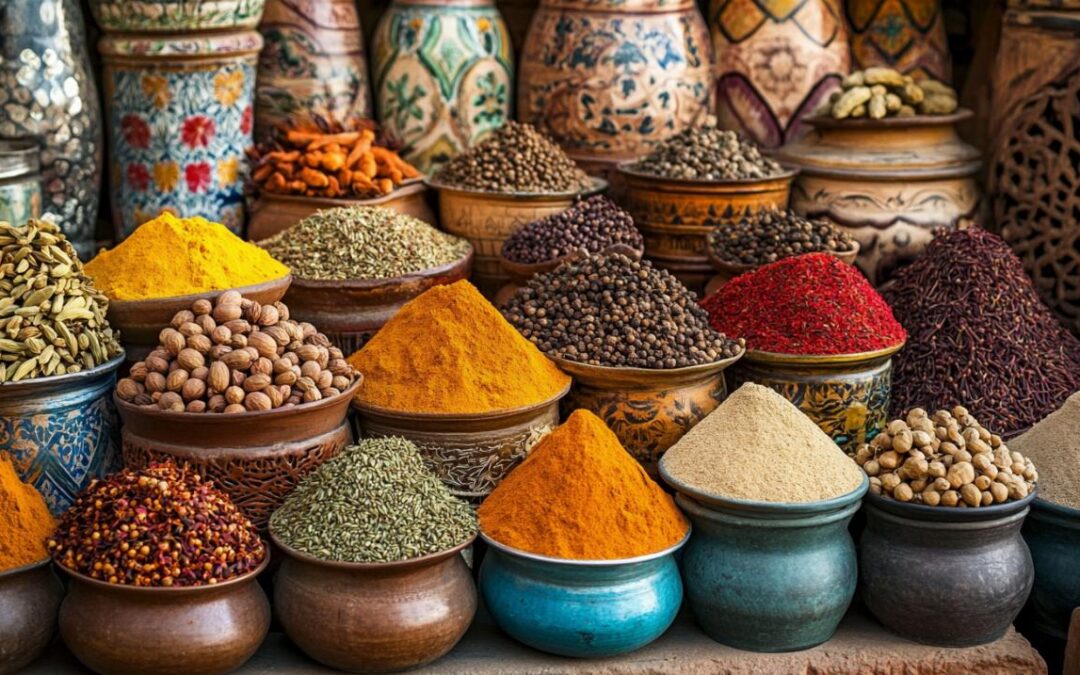
Moroccan gastronomy stands as a vibrant testament to centuries of cultural exchange, where ancient trade routes converged to create a culinary landscape unlike any other. The aromatic spices that perfume the air in bustling souks and family kitchens across Morocco are far more than mere seasonings—they represent the very soul of a nation's cooking traditions. From the sun-drenched valleys of Marrakech to the historic streets of Fez, these essential ingredients have shaped dishes that balance sweet and savoury elements with remarkable finesse, making Moroccan cuisine one of the world's most distinctive and cherished gastronomic traditions.
The spice palette: cornerstone ingredients that define moroccan gastronomy
Understanding Moroccan cuisine begins with recognising the fundamental spices that appear in nearly every traditional dish. These ingredients form the foundation upon which cooks build layers of complexity, transforming simple vegetables, meats, and grains into meals that captivate the senses. The interplay between these spices creates the distinctive flavour profiles that have made Moroccan cooking renowned across the culinary world, drawing food enthusiasts and travellers eager to experience authentic North African gastronomy.
Cumin, Ginger, and Turmeric: The Holy Trinity of Moroccan Flavour
Cumin, known locally as kamoun, delivers an earthy warmth that anchors countless Moroccan recipes. This spice appears in everything from hearty lentil soups to grilled meats, providing a grounding note that complements rather than overwhelms other flavours. Moroccan cooks understand that cumin's robust character works particularly well with legumes and root vegetables, making it indispensable in traditional comfort foods. When combined with olive oil and garlic, cumin creates marinades that penetrate deeply into chicken and lamb, ensuring every bite carries that signature Moroccan essence.
Ginger, or skinjbir in Moroccan Arabic, brings a different dimension entirely. Its warm, slightly spicy character enlivens tagines and couscous dishes, adding brightness that cuts through rich ingredients. Fresh ginger appears in many preparations, though dried ground ginger remains a staple in spice cupboards across Morocco. This versatile ingredient features prominently in both savoury dishes and certain desserts, demonstrating the Moroccan talent for blending unexpected flavours. The health benefits of ginger have been recognised for generations, with Moroccans incorporating it into remedies and everyday cooking alike.
Turmeric, called kharkoum, paints dishes with its distinctive golden hue whilst contributing a subtle earthy flavour. This essential spice appears in the yellow sauces that characterise many Moroccan stews and braises, working alongside ginger to create the base for countless family recipes. Beyond its culinary applications, turmeric has long been valued for its health properties, making it both a practical and beneficial addition to the Moroccan spice collection. The vibrant colour it imparts signals warmth and hospitality, qualities deeply embedded in Moroccan culture.
Coriander, Pepper, and the Symphony of Supporting Spices in Traditional Dishes
Coriander powder, known as qzbor mt'houn, offers a citrusy brightness that balances the earthier spices in Moroccan blends. This ground spice features heavily in marinades for grilled meats and appears in the fragrant herb paste called chermoula, which combines paprika, cumin, garlic, fresh parsley, coriander leaves, lemon juice, and olive oil. The versatility of coriander makes it essential for achieving the layered complexity that defines sophisticated Moroccan cooking. Fresh coriander leaves often garnish finished dishes, providing a final burst of aromatic flavour.
Black pepper, simply called ibzar, might seem unremarkable to those unfamiliar with Moroccan cooking, yet it plays a crucial supporting role in tagines and soups. Rather than dominating with heat, pepper in Moroccan cuisine provides subtle depth that enhances other spices without announcing its presence. This restrained approach to spiciness characterises much of traditional Moroccan gastronomy, where the goal is harmony rather than fire. When heat is desired, Moroccans typically serve harissa on the side, allowing diners to adjust according to personal preference.
The supporting cast of Moroccan spices includes nutmeg, star anise, cardamom, fenugreek, and the delicate floral notes of orange blossom water. These ingredients appear selectively, each contributing specific characteristics to particular dishes. Cinnamon, or qarfa, bridges the sweet and savoury divide, appearing in meat dishes like pastilla alongside ingredients such as almonds and honey. Saffron, known as zaafrane, represents luxury and celebration, reserved for special occasions and royal tagines where its delicate floral character can truly shine. Paprika, called felfla hamra, ranges from sweet to smoky, adding colour and depth to countless sauces and marinades.
Ras el Hanout: The Emblematic Blend That Captures the Heart of Morocco's Culinary World
No discussion of Moroccan spices would be complete without examining ras el hanout, arguably the most emblematic spice blend in North African gastronomy. The name translates to 'top of the shop', referring to the best spices a merchant has to offer. This complex mixture represents the pinnacle of spice blending artistry, with recipes varying not just between regions but between individual spice sellers and families. The blend embodies the Moroccan philosophy of cooking, where patience, quality ingredients, and careful attention to balance create something greater than the sum of its parts.
What Makes Ras el Hanout the Quintessential Moroccan Spice Mix for Tajine and Couscous?
Ras el hanout typically contains anywhere from a dozen to thirty different spices, creating a flavour profile of remarkable depth and complexity. A basic version might include coriander seeds, cumin seeds, peppercorns, cloves, turmeric, caraway seeds, anise seeds, fennel seeds, star anise, cardamom pods, cinnamon stick, nutmeg, and dried rose petals. More elaborate blends incorporate additional ingredients that might include galangal, grains of paradise, or even Spanish fly, though modern versions typically omit controversial or difficult-to-source components.
The beauty of ras el hanout lies in its versatility and the way it simplifies cooking whilst maintaining sophistication. Rather than measuring out numerous individual spices, Moroccan cooks can add a spoonful of this pre-mixed blend to tagines, knowing it will provide the complex flavour foundation their dish requires. This convenience never comes at the expense of quality—quite the opposite, as master spice blenders take tremendous pride in developing their signature versions. The blend works particularly well in slow-cooked dishes where its many components have time to meld and develop, infusing meat and vegetables with layers of aromatic flavour.
For couscous, the national dish of Morocco, ras el hanout plays an essential role in the accompanying stew. The steamed semolina itself remains relatively neutral, acting as a canvas for the richly spiced vegetables, chickpeas, and meat cooked in a broth seasoned with this quintessential blend. The result is a meal that satisfies on multiple levels, providing comfort, nourishment, and a connection to culinary traditions stretching back centuries. When properly stored, ras el hanout can maintain its potency for up to three years, though most cooks prefer to prepare or purchase fresh batches regularly to ensure maximum flavour.
Regional Variations Across Morocco: How Blends Change from Marrakech to Fez and Beyond
Morocco's diverse geography and history have created distinct regional preferences when it comes to spices and their combinations. In Fez, the spiritual and cultural heart of Morocco, cooks favour saffron, cinnamon, and ginger, creating dishes with refined elegance that reflect the city's sophisticated heritage. The cuisine of Fez tends towards subtlety and complexity, with spices used to enhance rather than dominate. This approach has made Fez famous for dishes that require patience and skill, where the interplay between ingredients creates nuanced flavour experiences.
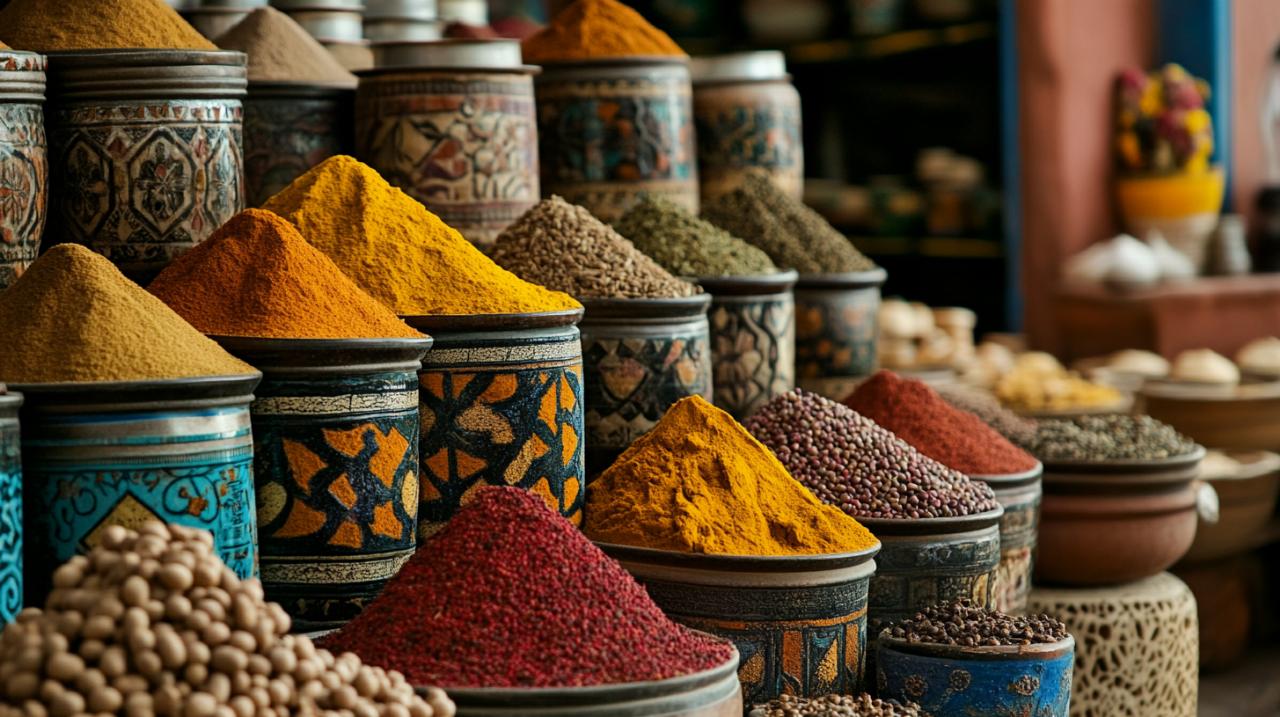
Marrakech, by contrast, embraces cumin, turmeric, and ras el hanout with particular enthusiasm. The cooking of this southern city tends towards bolder flavours and more robust spicing, reflecting both the warmer climate and the city's historical role as a crossroads for trade caravans. Markets in Marrakech overflow with spices displayed in colourful pyramids, and the air carries the mingled scents of a hundred different blends. This sensory abundance mirrors the city's energetic character and its reputation as a destination for those seeking authentic Moroccan culinary experiences.
The northern regions of Morocco, influenced by proximity to the Mediterranean and historical connections to Andalusia, incorporate more fresh herbs and generally apply less heat to their dishes. Coastal areas naturally emphasise seafood, pairing fish with chermoula marinades that highlight the citrusy notes of coriander and the brightness of fresh herbs. Meanwhile, the south and Saharan regions embrace smokier, spicier profiles that reflect harsher desert conditions and different cultural influences. These variations demonstrate how Moroccan cuisine adapts to local ingredients and preferences whilst maintaining core principles that unite the nation's gastronomy.
Bringing Moroccan Spices to Life: Recipes, Health Benefits, and Practical Uses in Your Kitchen
Understanding Moroccan spices intellectually differs vastly from experiencing them in actual dishes. The true magic emerges when these ingredients combine with fresh produce, quality meats, and traditional cooking techniques to create meals that nourish body and spirit alike. Moroccan cooking emphasises slow preparation and communal eating, values that resonate deeply in an era when many seek more meaningful connections with food and those with whom they share it.
From Bissara to Chicken with Lemon Confit: Essential Recipes Showcasing Moroccan Spices
Bissara, a humble yet deeply satisfying soup made from dried broad beans or split peas, exemplifies how Moroccan spices elevate simple ingredients. This dish, popular as street food and home comfort fare alike, relies on cumin and olive oil to transform legumes into something transcendent. Topped with additional cumin, paprika, and a generous drizzle of olive oil, bissara demonstrates the Moroccan talent for creating nourishment that satisfies on every level. The soup's velvety texture and warming spices make it particularly welcome during cooler months, though devotees enjoy it year-round.
Chicken with preserved lemon confit represents another cornerstone of Moroccan gastronomy, showcasing how spices interact with distinctive local ingredients. This tagine typically combines chicken pieces with a marinade of ginger, turmeric, garlic, parsley, fresh coriander, and often a measure of ras el hanout. The preserved lemons contribute a unique salty-sour brightness that cuts through the rich sauce, whilst green olives add briny complexity. Slow-cooked until the chicken falls from the bone, this dish captures the essence of Moroccan cooking philosophy—patience rewarded with extraordinary flavour.
Sweet dishes also benefit from Moroccan spice artistry, with desserts incorporating cinnamon, orange blossom water, and other aromatics to create treats like halwa chebakia. These fried dough confections, coated in honey and sesame seeds, appear during Ramadan and special celebrations, their complex flavours reflecting the same attention to spice balance found in savoury cooking. Mint tea, served throughout the day, provides a fragrant counterpoint to both meals and sweets, its ritualistic preparation and serving demonstrating how deeply food and drink are woven into Moroccan social fabric.
Health Benefits and Travel Through Flavours: Why Olive Oil, Spices, and Soups Matter to Moroccans and You
The health benefits of Moroccan spices extend well beyond their culinary applications, though Moroccans have understood this connection for generations without necessarily articulating it in modern nutritional terms. Turmeric's anti-inflammatory properties, ginger's digestive benefits, and the antioxidants found in numerous spices mean that eating Moroccan cuisine provides wellness advantages alongside pleasure. The generous use of olive oil throughout Moroccan cooking adds heart-healthy fats and helps the body absorb fat-soluble nutrients from vegetables and spices alike.
Moroccan soups, from harira during Ramadan to various vegetable-based broths, combine spices with legumes, vegetables, and sometimes meat to create complete meals in a bowl. These preparations reflect practical wisdom about nutrition and economy, stretching ingredients whilst providing balanced nourishment. The long simmering typical of Moroccan cooking allows flavours to develop fully and makes nutrients more bioavailable, demonstrating how traditional methods often align with modern understanding of optimal food preparation.
For those inspired to explore Moroccan gastronomy, whether through travel to the country itself or experimentation in home kitchens, the journey begins with quality spices. Markets throughout Morocco—in Fez, Marrakech, Rabat, Casablanca, Tangier, and Essaouira—offer opportunities to purchase freshly ground blends and whole spices. Those cooking at home should invest in good-quality ingredients, store them properly away from heat and light, and feel encouraged to experiment with proportions until finding combinations that suit personal tastes. A tagine pot, whilst traditional, is not strictly necessary; a heavy-bottomed pot with a tight-fitting lid can produce excellent results. The key lies in embracing the Moroccan approach to cooking: patience, attention to balance, and the understanding that food represents more than mere sustenance—it is culture, history, and connection made edible.