
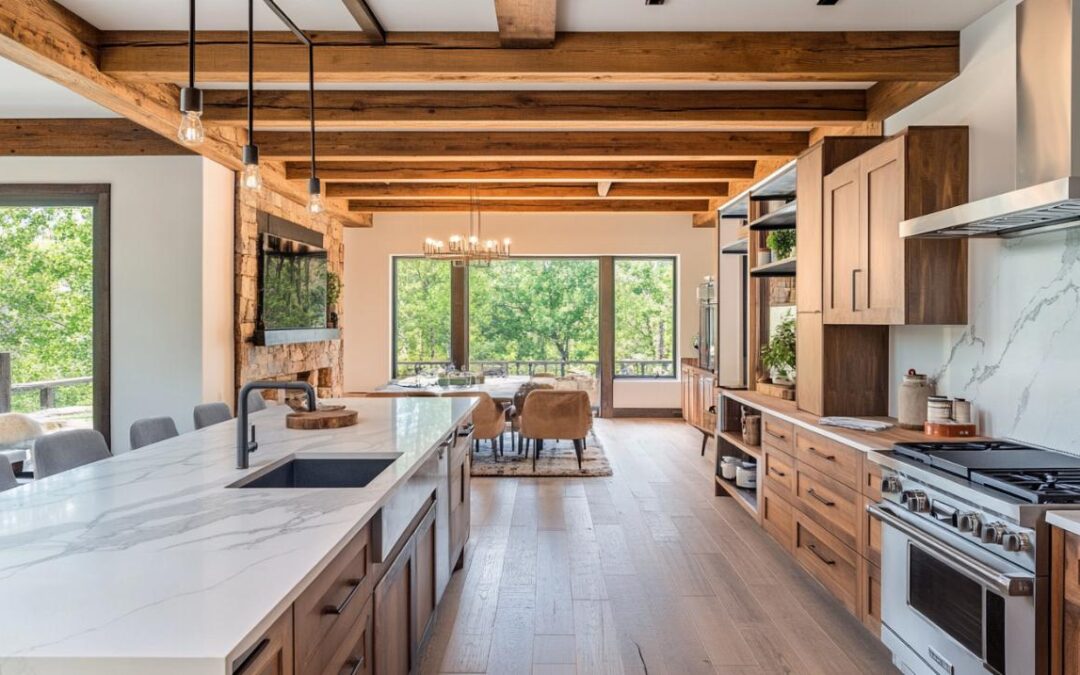
The kitchen serves as the heart of the home, and enhancing its design with thoughtful architectural elements can transform an ordinary space into something truly remarkable. One of the most effective ways to achieve this transformation is by incorporating decorative ceiling beams, which introduce visual interest, texture, and warmth to the room. Whether your kitchen boasts high vaulted ceilings or a more modest height, the right choice of beams can redefine the atmosphere, making it feel either cosier or more spacious depending on your design goals.
Choosing the Right Style of Ceiling Beams for Your Kitchen
Selecting the appropriate style of ceiling beams is essential to achieving a cohesive and visually appealing kitchen design. The variety of options available today means that homeowners can find beams that complement any aesthetic, from rustic farmhouse charm to sleek contemporary elegance. Understanding the different types of beams and how they interact with your existing décor is the first step towards creating a space that feels both intentional and inviting.
Traditional timber beams versus contemporary alternatives
Traditional timber beams have long been a staple in kitchen design, offering an authentic rustic appeal that evokes a sense of history and craftsmanship. These beams, often sourced from reclaimed wood, bring character and a sense of permanence to a space. However, they can also present challenges, including structural strain, higher costs, and the need for regular maintenance to prevent issues such as woodworm infestation. For those concerned about woodworm treatment, it is worth noting that chemical treatments can be applied depending on the severity of the problem, although this adds another layer of maintenance to consider.
In contrast, contemporary alternatives such as faux wood beams have emerged as a versatile and cost-effective solution. These beams mimic the appearance of real wood with remarkable accuracy, offering a lightweight option that avoids the structural complications associated with solid timber. Faux wood beams can be custom finished and sized to suit any kitchen, making them an ideal choice for both modern and traditional spaces. They also conceal wiring and other ceiling imperfections with ease, contributing to a cleaner and more polished look. With minimal maintenance required, faux beams provide the visual appeal of timber without the associated drawbacks, making them a popular choice for homeowners seeking both style and practicality.
Matching beam finishes to your kitchen’s colour palette
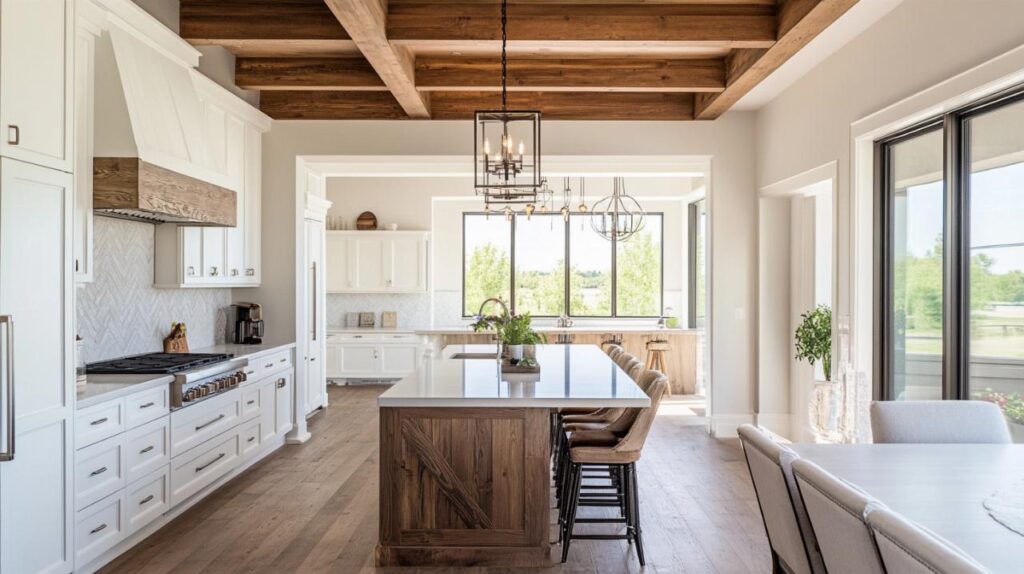
The finish of your ceiling beams plays a crucial role in how they integrate with the overall kitchen design. Light wood finishes, for instance, can help a small kitchen appear larger by reflecting natural light and creating an airy ambiance. These finishes work particularly well in kitchens with neutral colour palettes, where they add warmth without overwhelming the space. On the other hand, dark wood finishes introduce a sense of drama and sophistication, making them well-suited to larger kitchens or those with high ceilings. Dark beams can also create a striking contrast against lighter ceilings, drawing the eye upwards and emphasising the architectural features of the room.
For those looking to create a seamless look, matching the colour of the beams to the existing décor can make the ceiling feel like an integrated part of the overall design. This approach is especially effective in open-plan spaces, where consistency in colour and texture helps to unify different areas. Jan Rutgers, a designer with over 25 years of experience and recognised as one of Kitchen & Bath Design News’ Top Innovators in 2020, emphasises the importance of considering the ceiling as part of the overall kitchen design. By taking into account the colour palette, lighting, and architectural details, homeowners can select beam finishes that enhance rather than detract from the space. Incorporating molduras orense cuisine insights into your design process can further refine the visual harmony, ensuring that every element contributes to a cohesive aesthetic.
Installation and Practical Considerations for Kitchen Ceiling Beams
Once you have selected the style and finish of your ceiling beams, the next step is to consider the practical aspects of installation. Proper planning and execution are essential to ensure that the beams not only look impressive but also function effectively within the space. From structural requirements to the integration of lighting, there are several factors to keep in mind when incorporating decorative beams into your kitchen.
Structural requirements and professional installation tips
Installing ceiling beams requires careful attention to structural considerations, particularly in older homes where the existing framework may not be designed to support additional weight. Solid timber beams, while beautiful, can place significant strain on the ceiling structure, necessitating reinforcement and potentially increasing the overall cost of the project. This is one area where faux wood beams offer a distinct advantage, as their lightweight construction eliminates the need for extensive structural modifications.
For those opting for faux beams, the installation process is relatively straightforward and can often be completed without professional assistance. However, consulting with a qualified installer or designer is advisable to ensure that the beams are securely attached and properly aligned. Professional installation tips include measuring the ceiling accurately to determine the optimal placement of the beams, using appropriate mounting hardware to support the weight, and ensuring that any integrated lighting or wiring is safely concealed. By following these guidelines, homeowners can achieve a polished and professional finish that enhances the overall kitchen design.
Maximising visual impact whilst maintaining kitchen functionality
Decorative ceiling beams are not just about aesthetics; they also play a functional role in the kitchen. One of the most effective ways to maximise their visual impact is by integrating light fixtures into the beams themselves. This approach not only improves visibility in the kitchen but also adds a layer of style and sophistication. Recessed lighting or pendant fixtures can be strategically placed along the beams to highlight key areas such as the cooking zone or dining space, creating a well-lit and inviting environment.
In addition to lighting, ceiling beams can be used to define spaces within open-plan homes. By changing the direction of the beams or creating grid patterns, homeowners can visually separate the kitchen from adjacent living or dining areas without the need for physical barriers. This technique is particularly useful in contemporary and transitional spaces, where maintaining an open flow is a priority. Beams can also accentuate architectural details such as shiplap ceilings, tray ceilings, or vaulted ceilings, drawing attention to the unique features of the room. For instance, ridge and rafter configurations work beautifully with peaked ceilings, whilst curved beams can add character and a sense of movement to the space.
Jan Rutgers advises that beams are particularly effective in rooms with high or vaulted ceilings, where they can highlight the verticality and grandeur of the space. However, she also notes that beams are not recommended for ceilings that are eight feet tall or lower, as they can make the room feel cramped and visually cluttered. For kitchens with standard ceiling heights, a single statement beam or a subtle grid pattern may be more appropriate, providing visual interest without overwhelming the space.
Faux wood beams also offer the advantage of easy installation and minimal maintenance, making them a practical choice for busy households. Unlike solid timber, which can warp, crack, or require treatment for issues such as woodworm, faux beams retain their appearance over time with little effort. They can also be custom finished to match any design preference, from rustic farmhouse to sleek modern, ensuring that they complement the existing décor. Additionally, faux beams are cost-effective compared to solid wood, making them an accessible option for homeowners looking to enhance their kitchen design without breaking the bank.
In summary, incorporating decorative ceiling beams into your kitchen design is a versatile and impactful way to elevate the space. Whether you choose traditional timber or contemporary faux alternatives, the key is to select beams that complement your existing décor and meet your practical needs. By carefully considering the style, finish, and installation requirements, you can create a kitchen that is not only functional but also a true reflection of your personal style. From accentuating architectural features to integrating lighting and defining open-plan spaces, ceiling beams offer endless possibilities for enhancing the visual appeal and warmth of your kitchen. With the right approach, this simple addition can transform your kitchen into a space that is both inviting and inspiring.