Bringing the vibrant tastes of Spain into your own kitchen has never been more exciting or accessible. Whether you're after a hearty family meal or an impressive spread for friends, the rich tapestry of flavours found across the Iberian Peninsula offers something for everyone. From the sun-drenched coasts of Andalusia to the bustling tapas bars of Madrid, Spanish cooking celebrates fresh ingredients, bold seasonings, and a joyful approach to food. With a few key techniques and quality produce, you can recreate these beloved classics and discover why the Mediterranean diet continues to captivate food lovers worldwide.
Classic paella: the golden rice dish that shines
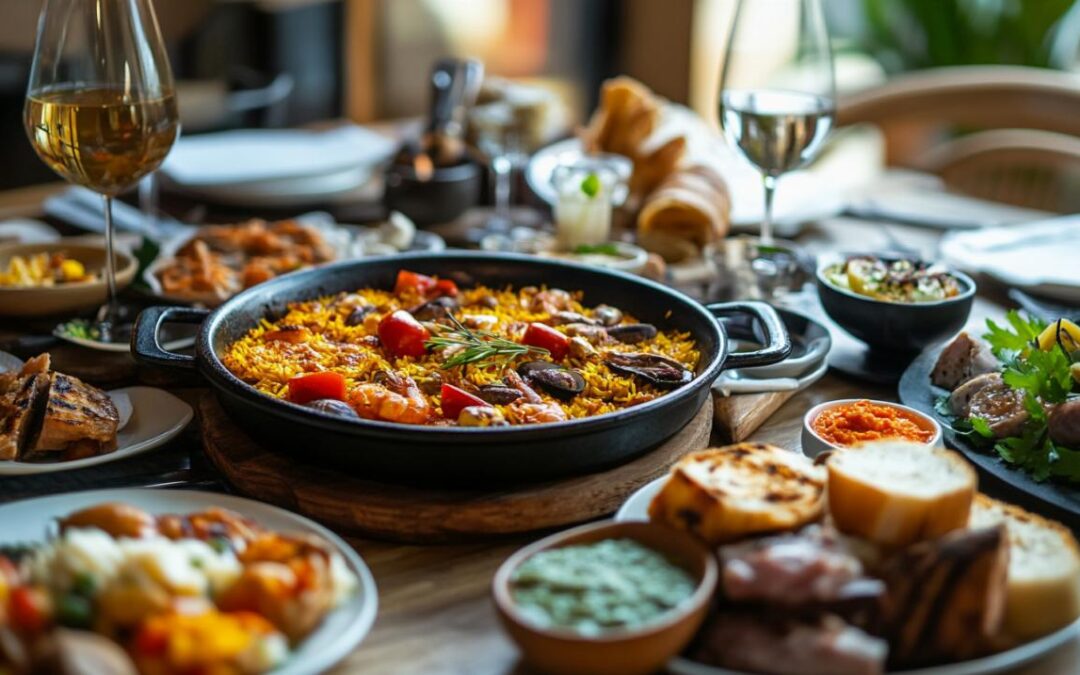
Paella stands as one of Spain's most iconic contributions to world cuisine, a saffron-scented rice dish that brings together land and sea in a single pan. Originating from the Valencia region, this celebrated meal has evolved into countless variations, each reflecting local tastes and available ingredients. The beauty of paella lies in its versatility and the way it transforms humble components into something truly special. The key to success is achieving that perfect balance of tender rice, rich stock, and the coveted socarrat, the crispy golden layer that forms at the bottom of the pan. When exploring spanish cuisine recipes, paella inevitably takes centre stage, inviting home cooks to experiment with different proteins and seasonings while respecting the fundamental principles that make this dish so beloved.
Mastering the Perfect Seafood Paella at Home
Creating an authentic seafood paella requires attention to detail and a willingness to embrace the process. Start by selecting the freshest prawns, mussels, and squid you can find, as the quality of your seafood will directly influence the final result. The foundation begins with a good sofrito, a flavourful base of onions, garlic, and tomatoes cooked slowly until they become sweet and concentrated. Adding bomba or calasparra rice ensures the grains absorb maximum flavour whilst maintaining their structure. The saffron, though costly, is non-negotiable, lending that distinctive golden hue and subtle floral note that defines proper paella. Building layers of taste by cooking the seafood in stages prevents overcooking whilst allowing each element to contribute to the overall complexity. The moment you present this stunning dish to your guests, with its vibrant colours and intoxicating aroma, you'll understand why paella holds such a special place in Spanish food culture.
Chicken and Chorizo Paella for Beginners
For those just starting their journey into Spanish cooking, a chicken and chorizo paella offers a forgiving introduction to this classic technique. The smoky paprika from quality chorizo infuses the rice with deep, savoury notes whilst the chicken provides substance and heartiness. This variation proves particularly popular with families, as the flavours tend to appeal to a broader range of palates. Begin by browning your chicken pieces until golden, then set them aside whilst you cook sliced chorizo until it releases its characteristic red oils. These flavourful fats become the cooking medium for your sofrito, creating a rich foundation. Once you add your stock and rice, resist the temptation to stir too frequently, as paella demands a hands-off approach to develop properly. After roughly twenty minutes of gentle simmering, your rice should be tender and infused with all those wonderful flavours, ready to serve straight from the pan in true Spanish style.
Tempting tapas: small plates, big flavours
The tapas tradition embodies the Spanish philosophy of eating as a social occasion, where small portions encourage sharing and conversation. These bite-sized delights range from simple olives and cheese to elaborate preparations showcasing regional specialities. The genius of tapas lies in their variety, allowing diners to sample multiple flavours throughout an evening rather than committing to a single dish. Home cooks find tapas particularly appealing because many recipes come together quickly, making them ideal for entertaining without spending hours in the kitchen. The informal nature of tapas dining removes pressure whilst creating an atmosphere of relaxed enjoyment, perfect for gatherings where the focus remains on good company and great food.
Patatas Bravas and Gambas al Ajillo for Your Next Gathering
Patatas bravas represent tapas at its most satisfying, combining crispy fried potatoes with a spicy tomato sauce and cooling aioli. Achieving the right texture requires cutting your spuds into irregular chunks and frying them twice, first at a lower temperature to cook through, then at higher heat to develop that essential crunch. The bravas sauce, made with tomatoes, smoked paprika, and a touch of heat from cayenne, should be bold enough to stand up to the richness of the potatoes. Meanwhile, gambas al ajillo offers a completely different but equally compelling experience. Fresh prawns sizzle in abundant olive oil with sliced garlic and dried chillies, creating an aromatic dish that arrives at the table still bubbling in its earthenware dish. The garlicky oil is so delicious that crusty bread becomes essential for mopping up every last drop. Together, these dishes showcase the Spanish talent for elevating simple ingredients through careful technique and generous seasoning.
Chorizo in cider: a pub-style spanish favourite
This Asturian speciality combines two of northern Spain's finest products into a simple yet utterly moreish tapa. Quality chorizo, preferably the cooking variety rather than the cured type, gets sliced into thick rounds and cooked slowly in dry cider until the liquid reduces to a sticky glaze. The sweet apple notes from the cider balance the paprika-rich sausage beautifully, whilst the gentle simmering allows the flavours to meld together. Serve this warm in the cooking dish with cocktail sticks for spearing the tender chorizo pieces, and watch them disappear almost instantly. The beauty of this recipe lies in its simplicity and the way just two main ingredients create something far greater than the sum of their parts. It's the sort of dish that transports you straight to a bustling bar in Oviedo, where locals gather over a glass of sidra and animated conversation.
Refreshing gazpacho: the perfect cold soup for warm days
Andalusian summers demand dishes that cool and refresh, and gazpacho answers that call with vibrant flavours and nourishing ingredients. This chilled soup represents peasant cooking at its finest, transforming bread, tomatoes, peppers, and cucumber into liquid sunshine. The origins trace back centuries to when field workers needed portable, hydrating meals that could withstand the heat. Modern versions have refined the technique but maintained the essential character of this beloved dish. Unlike hot soups that require lengthy simmering, gazpacho comes together in minutes with a powerful blender, making it an ideal choice for busy home cooks seeking something special without complexity.
Traditional tomato gazpacho recipe
The classic tomato-based gazpacho relies on perfectly ripe, flavourful tomatoes to shine. Choose the reddest, most aromatic specimens you can find, as their quality will make or break your soup. Combine them in your blender with chunks of cucumber, green pepper, garlic, good quality sherry vinegar, and extra virgin olive oil. Stale bread, preferably a day-old country loaf, provides body and a subtle richness that ties everything together. Blend until completely smooth, then season generously with salt and perhaps a pinch of cumin for depth. The mixture should taste bright and balanced, with enough acidity to wake up your palate. Chill thoroughly for at least two hours, allowing the flavours to marry and the temperature to drop to properly refreshing levels. Serve in chilled bowls or glasses, garnished with finely diced vegetables and a drizzle of your finest olive oil for an elegant presentation that tastes as good as it looks.
Creative Variations with Cucumber and Peppers
Once you've mastered the traditional recipe, the world of gazpacho opens up to exciting variations. A white gazpacho made with almonds, grapes, and garlic offers a completely different but equally refreshing experience, particularly popular in Malaga. For something lighter, try a cucumber-forward version that emphasises the cooling properties of this humble vegetable. Roasted red peppers can replace raw ones for a sweeter, smokier profile that works beautifully with grilled seafood. Some cooks add watermelon for natural sweetness and additional hydration, creating a pink-hued soup that surprises and delights. The fundamental technique remains constant whilst the ingredients shift according to season and preference. This flexibility makes gazpacho endlessly appealing, a canvas for creativity that still honours its rustic origins. Whether you stick to tradition or venture into new territory, this cold soup embodies the Spanish genius for celebrating fresh produce in its most unadulterated form.
Tortilla española: the humble potato omelette done proper
Few dishes capture Spanish home cooking quite like the tortilla española, a thick potato and onion omelette found everywhere from humble kitchens to upscale restaurants. This deceptively simple creation requires just eggs, potatoes, onions, olive oil, and salt, yet achieving perfection demands practice and patience. The finished tortilla should be golden on the outside with a slightly creamy interior, substantial enough to slice yet tender throughout. It serves equally well hot from the pan, at room temperature for a packed lunch, or cold as part of a tapas spread. The tortilla española demonstrates how Spanish cooks elevate everyday ingredients through technique and care, creating something far greater than its modest components might suggest.
Getting the Texture Just Right: Tips and Tricks
The secret to an exceptional tortilla begins with properly preparing your potatoes. Slice them thinly and evenly, then cook gently in abundant olive oil rather than frying at high heat. This slow poaching renders the potatoes tender and infuses them with flavour whilst preventing the harsh edges that come from aggressive frying. Meanwhile, cook your onions separately until soft and sweet, then combine with the drained potatoes. The beaten eggs should be seasoned well before you fold in the potato mixture, ensuring even distribution of flavour. The crucial moment arrives when you pour everything into a hot pan and begin to coax the mixture into its characteristic rounded shape. Confident flipping, using a plate to invert the tortilla midway through cooking, separates adequate attempts from truly impressive results. Don't worry if your first few flips prove messy, as this skill develops with repetition and a certain fearlessness in the kitchen.
Serving your tortilla throughout the day
The versatility of tortilla española means it fits comfortably into any meal occasion. For breakfast, serve warm wedges alongside fresh tomatoes and crusty bread for a hearty start to the day. At lunch, pack thick slices between bread rolls for a satisfying bocadillo that travels well and tastes delicious at room temperature. During evening tapas hours, cut the tortilla into small squares and secure each with a cocktail stick, perhaps adding a dollop of aioli or a strip of roasted pepper on top. Some families enjoy tortilla as a light supper with a simple green salad, allowing the eggs and potatoes to take centre stage. The beauty lies in its complete acceptability at any hour, a democratic dish that refuses to be confined to specific dining conventions. Whether you're feeding a crowd or simply want comfort food that delivers every time, the tortilla española stands ready to please.
Churros with chocolate: a sweet spanish treat
Spanish desserts tend towards simplicity, and churros exemplify this approach beautifully. These ridged sticks of fried dough achieve a crispy exterior whilst remaining fluffy inside, providing the perfect vehicle for thick, rich chocolate. The tradition of dipping churros into hot chocolate for breakfast or as an afternoon treat runs deep in Spanish culture, particularly in Madrid where specialist churrerías have perfected the art over generations. Making churros at home might seem daunting, but with the right equipment and a bit of confidence, you can recreate this beloved sweet in your own kitchen. The reward is immediate, as few things match the satisfaction of biting into a freshly made churro, its golden surface yielding to reveal steaming, tender dough.
Making crispy churros in your own kitchen
The churro dough comes together with basic pantry ingredients: flour, water, salt, and sometimes a touch of butter for enrichment. The mixture needs to be smooth and pipeable but firm enough to hold its distinctive ridged shape when squeezed through a star-shaped nozzle. Heat your oil to the correct temperature, around one hundred and eighty degrees, to ensure the churros cook through without burning. Pipe the dough directly into the hot oil, cutting it to your desired length with scissors. They'll puff up and turn golden within a few minutes, at which point you should drain them on kitchen paper and dust generously with caster sugar. The key is working in batches to avoid crowding the pan, which would lower the oil temperature and result in greasy rather than crisp churros. Serve them immediately whilst still warm for the best possible experience, though they remain enjoyable for an hour or two after frying.
Preparing rich dark chocolate for dipping
Spanish hot chocolate bears little resemblance to the thin, milky versions found elsewhere. This is a thick, intensely flavourful concoction that coats the back of a spoon and clings to your churros with determination. Start with quality dark chocolate, chopped finely, and combine it with whole milk, a touch of cornflour for body, and perhaps a hint of cinnamon or vanilla. Heat gently whilst stirring constantly until the chocolate melts completely and the mixture thickens to a custard-like consistency. Some recipes add a tablespoon of cream for extra richness, though this remains optional depending on your preference. The finished chocolate should be dark, glossy, and almost pudding-like in texture. Pour it into cups or small bowls for serving, ensuring each person has enough for generous dipping. The combination of crispy, sugared churros and velvety chocolate creates a moment of pure indulgence, a sweet ending that captures the joyful spirit of Spanish cuisine at its most delicious.