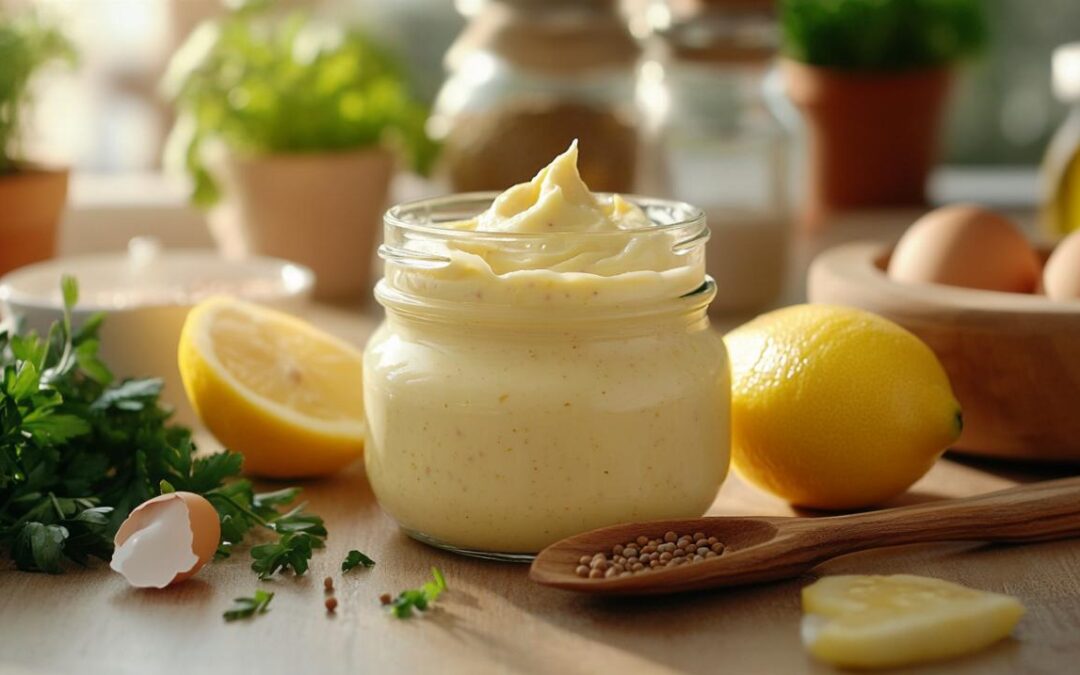
Mayonnaise stands as one of the most remarkable culinary achievements, transforming simple ingredients into a luxurious, creamy condiment that has graced tables across the globe for generations. This velvety sauce, born from the careful marriage of oil and egg, represents a triumph of technique over chemistry, where patience and precision yield a product far greater than the sum of its parts. Whether you're dolloping it onto a sandwich or using it as the foundation for more complex sauces, understanding the intricacies of this beloved emulsion elevates your cooking from functional to extraordinary.
The science behind creating a stable emulsion
Understanding the Role of Egg Yolks in Binding Oil and Liquid
At the heart of every successful batch of mayonnaise lies a fascinating chemical dance between ingredients that would ordinarily refuse to mix. Oil and water, as we all know from school science lessons, typically repel one another, remaining stubbornly separate no matter how vigorously you shake them. This is where the humble egg yolk steps in as the hero of our story. The yolk contains lecithin, a natural emulsifier that possesses a rather remarkable molecular structure. One end of the lecithin molecule feels an affinity for water, whilst the other end prefers oil. When you whisk egg yolk into your mixture, these molecules position themselves at the boundary between oil droplets and the surrounding liquid, effectively holding hands with both substances simultaneously. This creates microscopic oil droplets suspended throughout the mixture, resulting in that signature smooth, thick texture we associate with proper mayonnaise. Without this emulsifying action, you'd simply have a bowl of separated ingredients rather than the cohesive sauce that transforms a plain chip into something rather special.
Why Mustard Acts as the Perfect Stabilising Agent
Whilst egg yolk provides the primary emulsifying power, mustard enters the equation as a supporting player that punches well above its weight. Beyond contributing a subtle sharpness that enhances the overall flavour profile, mustard contains its own emulsifying compounds that work in concert with the lecithin from egg yolks. These additional stabilisers help maintain the delicate structure of your emulsion, making it more resistant to the temperature changes and jostling that might otherwise cause it to break. Mustard also adds a touch of acidity, which serves the dual purpose of brightening the flavour whilst creating an environment less hospitable to bacterial growth. Many experienced cooks swear by adding just a small spoonful at the beginning of the process, claiming it makes the emulsion more forgiving and less likely to split. The mustard essentially provides insurance against the most common pitfalls that plague novice mayonnaise makers, acting as a safety net whilst you develop your whisking technique.
Mastering the Traditional Mayonnaise Recipe at Home
Essential Ingredients and Equipment for Success
Creating mayonnaise at home requires remarkably few components, yet each plays a critical role in the final product. You'll need fresh egg yolks, preferably from eggs that have been sitting at room temperature for about thirty minutes, as cold eggs can make achieving a stable emulsion more challenging. A neutral oil works best for classic mayonnaise, though some adventurous cooks incorporate a small proportion of olive oil for a more pronounced flavour. Beyond eggs and oil, you'll want a pinch of salt, a splash of vinegar or lemon juice for acidity, and that aforementioned dab of mustard. As for equipment, a medium-sized bowl with a non-slip base proves invaluable, allowing you to whisk without chasing your bowl around the worktop. A balloon whisk gives you the control needed to incorporate air whilst gradually combining ingredients. Some modern cooks turn to food processors or immersion blenders, which can certainly speed up the process, though purists argue that hand-whisking gives you a better feel for the developing emulsion and allows for more precise control.
Step-by-step whisking technique to prevent splitting
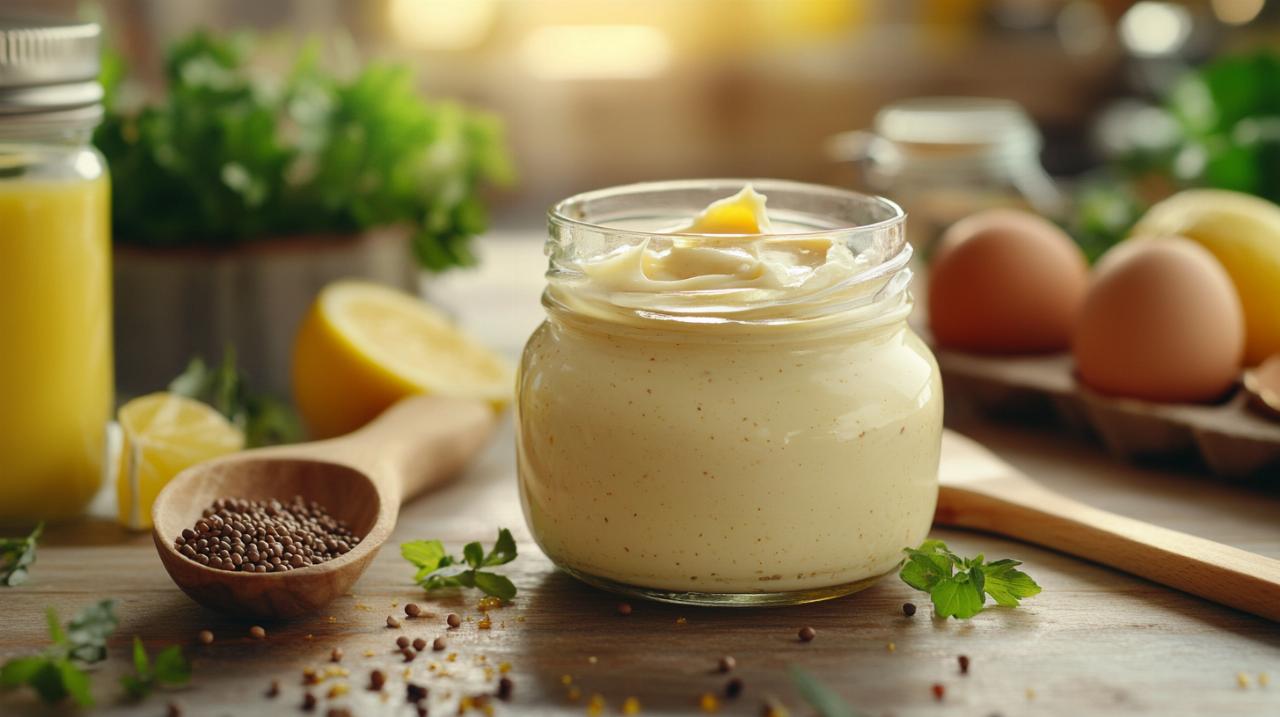
The technique for bringing mayonnaise together successfully revolves around one cardinal rule: patience. Begin by placing your egg yolks in the bowl along with the mustard, salt, and a small amount of your acidic component. Whisk these together until they're well combined and slightly lighter in colour. Now comes the crucial part where most attempts succeed or fail. You must add the oil in the merest trickle, ideally just a few drops at a time at first, whisking constantly to incorporate each addition before adding more. This gradual introduction allows the emulsifiers to properly surround each tiny oil droplet before more oil demands their attention. As the mixture begins to thicken and you can see it taking on that characteristic mayo texture, you can become slightly more generous with the oil, increasing to a thin stream rather than individual drops. Throughout this process, maintain a steady, vigorous whisking motion. If your arm grows tired, it's perfectly acceptable to take a brief pause, as a forming emulsion will hold for a few moments. Once all the oil has been incorporated and you've achieved a thick, glossy consistency, whisk in the remaining vinegar or lemon juice to taste. This final addition not only adjusts the flavour but also loosens the texture slightly, making your mayonnaise more spreadable and luxurious.
Troubleshooting common mayonnaise mishaps
How to Rescue a Separated or Curdled Batch
Even experienced cooks occasionally face the disappointment of watching their mayonnaise split, with oil pooling separately from the other ingredients in a most unsatisfactory manner. This typically occurs when oil has been added too quickly, overwhelming the emulsifiers' ability to keep everything bound together, or when the temperature differential between ingredients is too great. The good news is that a split emulsion need not spell disaster. To rescue your separated mixture, start afresh with a clean bowl and a single fresh egg yolk. Whisk this yolk with a small amount of mustard until combined, then begin adding your split mixture exactly as you would have added oil in the original recipe. Treat the failed batch as if it were simply more oil to be emulsified, adding it drop by drop whilst whisking constantly. This technique allows the new egg yolk's emulsifiers to work through the entire mixture again, rebinding the oil droplets with the liquid components. With patience and a steady hand, you can transform your kitchen catastrophe back into a perfectly smooth, glossy mayonnaise that no one would ever suspect had suffered such an indignity.
Adjusting Texture and Flavour to Your Personal Preference
Once you've mastered the basic technique, mayonnaise becomes a canvas for your culinary creativity. The texture can be adjusted by varying the ratio of oil to egg yolk, with more oil creating a firmer, more stable sauce, whilst a higher proportion of yolk yields a lighter, more delicate result. If you find your finished product too thick, a small amount of warm water whisked in will loosen it to your desired consistency without compromising the emulsion. For flavour variations, consider infusing your oil with garlic before beginning, creating the foundation for aioli, or whisking in finely chopped herbs at the end for a verdant, fresh twist. The type of acid you choose also dramatically affects the final taste, with lemon juice offering brightness, white wine vinegar providing subtle complexity, and rice vinegar contributing a gentler, more rounded acidity. Some cooks experiment with replacing a portion of the neutral oil with more flavourful options, though it's wise to exercise restraint, as strongly flavoured oils can quickly overwhelm the delicate balance. The beauty of homemade mayonnaise lies not just in its superior taste and texture compared to commercial varieties, but in the opportunity it provides to tailor every batch to your specific preferences and the requirements of whatever dish you're preparing.