
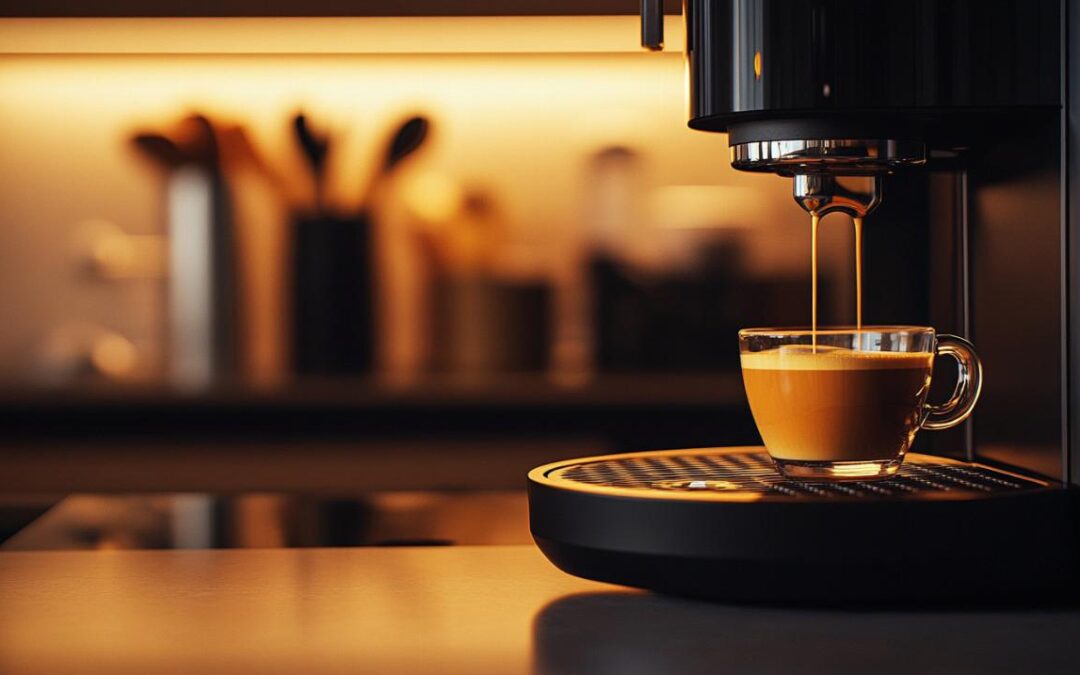
A morning coffee ritual can quickly turn frustrating when your beloved Nespresso machine starts leaving puddles on the worktop. These unexpected leaks not only create a mess but can also signal underlying issues that need attention. Understanding the root causes of these drips and knowing how to address them effectively can restore your machine to its former glory and ensure your daily caffeine fix remains uninterrupted. Whether your machine is actively brewing or sitting idle, identifying the source of the problem is the first step towards a solution.
Common culprits behind your nespresso's unwanted drips
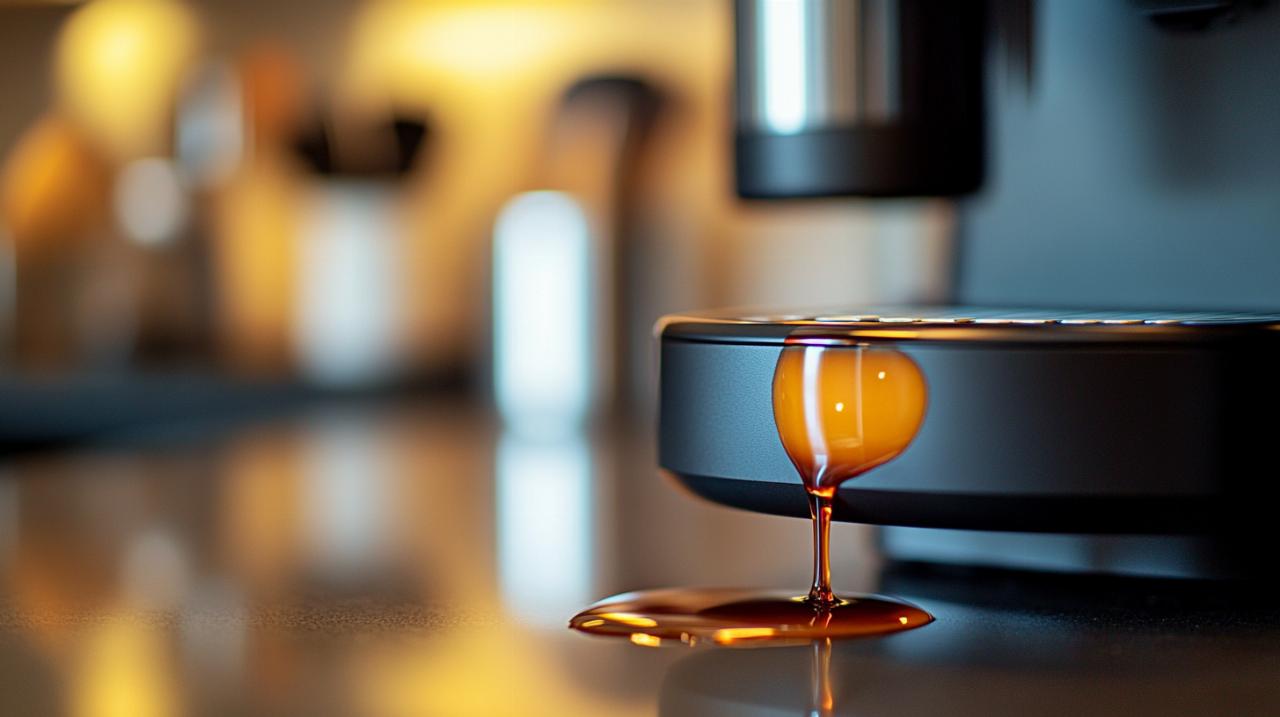
One of the most frequent reasons for a leaking brewing machine involves the timing and circumstances of the leak itself. Observing whether the leak occurs during the brewing process or when the machine is switched off provides valuable clues about what might be going wrong. If water pools around the base while the machine is idle, the issue may differ significantly from leaks that appear during active use. This distinction helps narrow down the potential causes and guides you towards the appropriate fix.
Worn or Damaged Seals and Gaskets
Over time, the seals and gaskets within your Nespresso machine can deteriorate due to regular use and exposure to heat and moisture. These small but crucial components ensure that water flows through the correct channels without escaping. When they become worn, cracked, or misaligned, water can find alternative paths, resulting in leaks. The water tank valve, for instance, must close properly to prevent unwanted drips. If this valve fails to seal correctly, water may seep out even when the machine is not in use. Similarly, ensuring that the water tank is properly attached to the machine is essential, as a loose or improperly fitted tank can lead to leaks at the connection point. Checking these seals regularly and replacing them when necessary can prevent many common leaking issues.
Blocked water lines and limescale build-up
Hard water contains minerals that accumulate inside your brewing machine over time, forming limescale deposits. These deposits can obstruct water lines and interfere with the normal flow of water through the system. When water cannot pass through freely, it may back up and leak from unexpected areas. Additionally, blockages can increase internal pressure, causing seals to fail or water to escape through joints and connections. Placing the water tank on a dry surface can help determine if the tank itself is leaking or if the issue lies within the machine. Regular maintenance, including descaling, is crucial to prevent limescale build-up and maintain the integrity of the water lines. Ignoring this issue not only leads to leaks but can also affect the quality of your coffee and the overall lifespan of your machine.
Simple solutions to fix your leaking nespresso machine
Once you have identified the likely cause of the leak, implementing the right solution becomes straightforward. Many leaks can be resolved with simple cleaning and maintenance tasks that do not require professional assistance. However, in some cases, replacing worn parts may be necessary to fully restore your machine's function. Taking a methodical approach ensures that you address the root cause rather than merely treating the symptoms.
Cleaning and descaling your machine properly
Regular cleaning is one of the most effective ways to prevent and resolve leaks. Start by emptying the capsule container regularly, as a full container can cause overflow and contribute to leaks. Next, perform a thorough descaling of your machine using a suitable descaling solution. This process removes limescale deposits from the internal water lines and components, restoring normal water flow and reducing the risk of leaks. Follow the manufacturer's instructions carefully when descaling, as improper use of descaling agents can damage the machine. Additionally, wipe down the exterior and clean the drip tray to prevent residue build-up that might interfere with the machine's operation. Keeping the water tank clean and checking that it is properly attached to the machine can also prevent leaks at the connection point. For guidance on cleaning and descaling, the Nespresso website offers comprehensive resources in the machine assistance section.
Replacing faulty parts and seals
If cleaning and descaling do not resolve the leak, the issue may lie with worn or damaged parts. Seals, gaskets, and valves can degrade over time and require replacement to restore a watertight seal. Inspect the tank valve to ensure it closes properly, as a faulty valve is a common source of leaks. If you notice visible damage or wear on any seals, consider ordering replacement parts from the manufacturer or an authorised supplier. In some cases, the machine attachment points may also need attention, particularly if the water tank does not fit securely. Replacing these small components is often simple and cost-effective, and it can significantly extend the life of your machine. Should you encounter difficulties or need assistance identifying the correct parts, customer support is available to help. You can contact them by email or ring their freephone number on 800 39 20 29, any time, any day, for personalised machine assistance.
Preventing future leaks: maintenance tips for your nespresso
Prevention is always better than cure, and establishing a regular maintenance routine can save you from the inconvenience of dealing with leaks in the future. By adopting best practices for the care of your brewing machine, you can ensure consistent performance and extend its operational lifespan. Simple habits, when maintained consistently, make a significant difference in the long-term health of your appliance.
Regular cleaning routines to keep your machine healthy
Incorporating routine cleaning into your coffee-making schedule is essential for leak detection and prevention. After each use, empty the capsule container and rinse the drip tray to prevent residue build-up. Weekly, remove the water tank and clean it thoroughly with warm, soapy water, ensuring that the tank valve and machine attachment points are free from debris. Monthly, perform a descaling cycle to eliminate limescale deposits that could block water lines and cause leaks. These simple steps help maintain the integrity of seals and gaskets, reducing the likelihood of wear and tear. Additionally, checking for visible signs of damage or wear during each cleaning session allows you to address potential issues before they escalate into significant problems. By staying vigilant and proactive, you can keep your Nespresso machine running smoothly and leak-free.
Best Practices for Long-Term Care and Performance
Beyond regular cleaning, adopting best practices for the overall care of your machine contributes to its longevity and reliability. Always use filtered or bottled water if your local supply is particularly hard, as this reduces limescale accumulation. Ensure that the water tank is securely attached before each use and that the tank valve is functioning correctly. Avoid overfilling the tank, as excess water can lead to spills and leaks. Store your machine in a dry, stable environment away from direct sunlight and heat sources, which can accelerate the degradation of seals and plastic components. If you plan to store the machine for an extended period, drain all water from the system and clean it thoroughly to prevent mould and mineral build-up. Should you need further advice or wish to update your contact preferences for machine assistance, you can manage your account settings on the Nespresso website, ensuring you receive timely updates and support. Users can change or keep their contact preferences, with changing preferences redirecting to the My Account Contact Preferences section and keeping preferences confirming the current settings. By following these guidelines, you can enjoy a reliable, leak-free brewing experience for years to come.