by cafe-eilat | May 6, 2026 | Recipes
The rugged beauty of Corsica extends far beyond its dramatic coastline and mountainous interior. This Mediterranean island, nestled between the French and Italian mainlands, has cultivated a culinary identity that reflects centuries of cultural exchange, agricultural tradition, and a fierce sense of regional pride. Among the many dishes that capture the essence of Corsican cookery, veal with olives stands out as a testament to the island's ability to transform simple, locally sourced ingredients into something truly memorable. This hearty stew embodies the spirit of a people who have long relied on their land and sea, crafting meals that are as nourishing as they are flavourful.
The Heritage and Origins of Corsican Veal with Olives
Ancient mediterranean influences on corsican cookery
Corsican cuisine is a fascinating tapestry woven from threads of both French and Italian culinary traditions. The island's strategic position in the Mediterranean has made it a crossroads of empires, trade routes, and cultural influences. From 1284 to 1755, Corsica was under Genoese rule, a period during which Italian grape varieties and cooking techniques became firmly rooted in local culture. The Genoese brought with them a clone of the Sangiovese grape, which would later evolve into the Nielluccio variety that now defines much of the island's wine production. This Italian heritage is palpable in dishes that emphasise slow cooking, the use of aromatic herbs, and the pairing of meat with robust, earthy flavours.
When Corsica became French in 1769, the same year Napoleon was born on the island, another layer of culinary sophistication was added. French techniques of braising and the careful balance of wine, meat, and seasoning found their way into traditional recipes. The result is a unique gastronomic identity that neither fully embraces French refinement nor Italian rusticity, but instead carves out a distinct middle ground. Veal with olives is a prime example of this synthesis, combining the French love for tender, slow-cooked meat with the Italian tradition of incorporating olives and tomatoes into hearty stews. The dish reflects a history of adaptation and resilience, much like the Corsican people themselves.
The Role of Olives in Traditional Island Gastronomy
Olives have been cultivated in the Mediterranean for thousands of years, and Corsica is no exception. The island's climate, with its hot, dry summers and mild winters, provides ideal conditions for olive groves to flourish. Corsican olive oil is prized for its peppery, fruity notes, and the olives themselves are a staple in both everyday meals and celebratory feasts. In traditional Corsican cookery, olives are not merely a garnish or afterthought; they are integral to the flavour profile of many dishes, lending a briny depth that balances the richness of meats and the acidity of tomatoes.
In the context of veal with olives, the fruit of the olive tree serves multiple purposes. First, it provides a counterpoint to the tender, mildly flavoured veal, introducing a salty, slightly bitter note that prevents the dish from becoming overly rich. Second, olives release their oils during the slow cooking process, mingling with the wine and stock to create a sauce that is both complex and deeply satisfying. The choice to use pitted olives is practical, allowing diners to enjoy the dish without interruption, but it also reflects a broader philosophy in Corsican cooking: simplicity and ease of enjoyment are just as important as flavour. This approach to food is evident in many traditional recipes, from aziminu, a robust fish stew, to civet de sanglier, a wild boar casserole that showcases the island's game.
Essential ingredients and preparation techniques
Selecting Quality Veal, Wine, and Olive Oil for Authentic Flavour
The success of any traditional recipe hinges on the quality of its ingredients, and veal with olives is no exception. Veal shoulder is the preferred cut for this dish due to its ideal balance of meat and connective tissue. When braised slowly, the collagen in the shoulder breaks down, yielding a texture that is tender yet substantial. It is important to source veal that is pale in colour and finely grained, as these characteristics indicate youth and tenderness. In Corsica, where livestock often roam semi-wild across hillsides dotted with chestnut trees and wild herbs, the meat carries a subtle complexity that is difficult to replicate elsewhere.
Wine is another cornerstone of this recipe, and the choice of varietal can significantly influence the final flavour. Corsican wines, particularly those made from Nielluccio or Sciacarello grapes, are ideal companions for veal. Nielluccio, a descendant of Sangiovese, offers earthy, slightly tannic notes that complement the richness of the meat, while Sciacarello brings a softer, more aromatic profile with hints of red fruit and spice. A dry white wine made from Vermentino, with its crisp acidity and subtle citrus undertones, can also be used to add brightness to the stew. The wine not only deglazes the casserole, lifting the caramelised bits of meat and onion from the bottom of the pan, but also infuses the dish with a depth of flavour that water or stock alone cannot provide.
Olive oil is the final essential element, and Corsican olive oil is particularly prized for its robust, peppery character. This oil is used both to sear the meat and to enrich the sauce as it simmers. The quality of the olive oil can elevate the entire dish, adding layers of flavour that linger on the palate. In Corsica, olive oil tastings are as common as vineyard tours, and locals take great pride in their artisanal production methods. When selecting olive oil for this recipe, look for a product that is cold-pressed and labelled with its region of origin. The difference in taste between a mass-produced oil and a small-batch Corsican variety is profound, and it is worth seeking out the latter for an authentic experience.
Step-by-step method: from casserole to finished dish
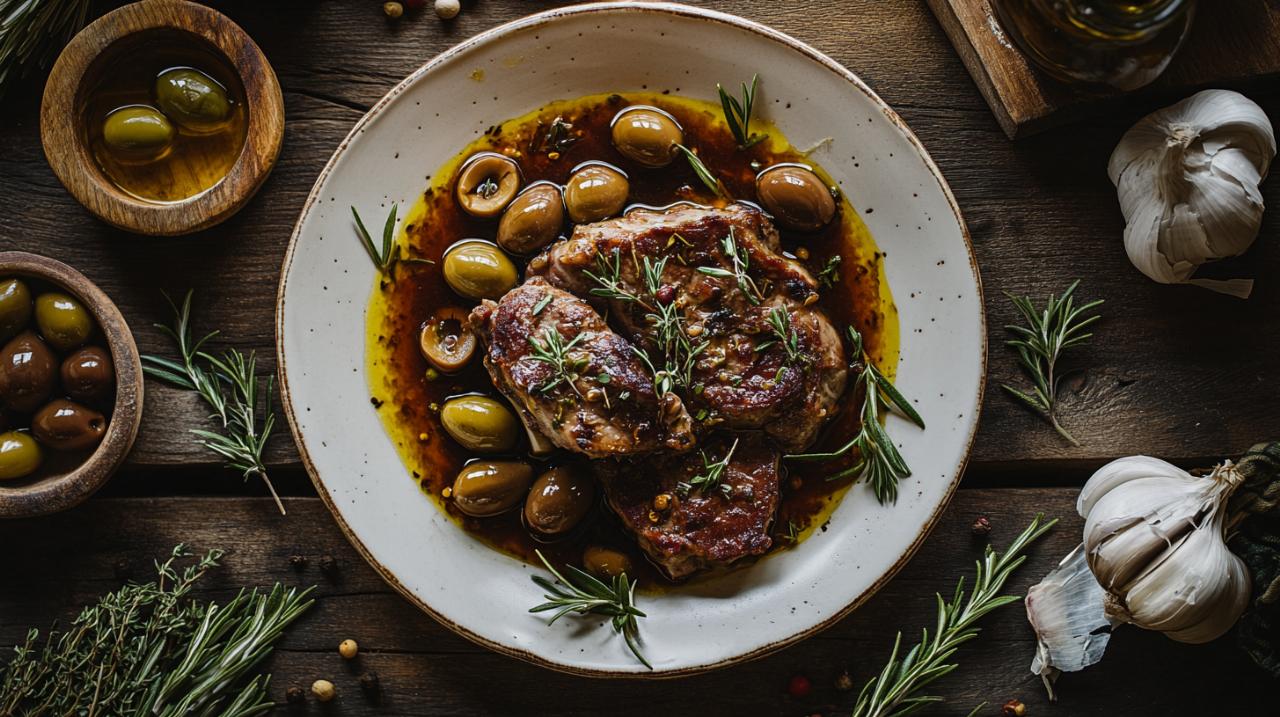
Preparing veal with olives is a process that rewards patience and attention to detail. Begin by cutting the veal shoulder into generous chunks, each roughly the size of a golf ball. This ensures that the meat remains moist and tender during the long cooking process. Heat a generous amount of olive oil in a heavy-bottomed casserole over medium-high heat, then add the veal in batches, being careful not to overcrowd the pan. Searing the meat properly is crucial, as it develops a caramelised crust that adds depth to the final sauce. Once each piece is browned on all sides, remove it from the casserole and set it aside.
Next, add diced onions to the same casserole, allowing them to soften and take on the flavours left behind by the meat. If you have applewood smoked bacon on hand, this is the time to introduce it, as the smoky, salty notes will infuse the entire dish. Once the onions are translucent and beginning to caramelise, return the veal to the casserole and pour in the wine, scraping the bottom of the pan to release any stuck-on bits. Allow the wine to reduce slightly before adding canned crushed tomatoes, which will form the base of the sauce. The tomatoes should be of good quality, as their sweetness and acidity will balance the saltiness of the olives and the richness of the veal.
At this stage, add the pitted olives along with a bouquet of fresh herbs. Traditional choices include thyme, rosemary, and bay leaves, all of which grow abundantly in the Corsican maquis, the island's distinctive scrubland. The herbs should be tied together with kitchen twine so they can be easily removed before serving. Season the stew with salt and pepper, keeping in mind that the olives will contribute additional salt as they cook. Cover the casserole with a lid and transfer it to a low oven, where it will braise gently for several hours. The low, even heat allows the flavours to meld and the veal to become fork-tender, resulting in a dish that is both comforting and refined.
Seasoning, garnishing, and serving your corsican veal
Balancing Salt, Pepper, and Fresh Herbs for Optimal Taste
Seasoning is an art that requires both restraint and confidence, particularly in a dish as nuanced as veal with olives. Because olives are inherently salty, it is wise to add salt sparingly at the beginning of the cooking process, tasting and adjusting only towards the end. Pepper, on the other hand, can be added more liberally, as its warmth and slight spiciness enhance the other flavours without overwhelming them. Freshly ground black pepper is preferable to pre-ground varieties, as it retains more of its aromatic oils and delivers a more vibrant kick.
The bouquet of herbs plays a dual role in this dish, acting as both a flavouring agent and an aromatic element that perfumes the kitchen as the stew simmers. Thyme, with its earthy, slightly minty notes, is a classic choice that pairs beautifully with veal. Rosemary, more assertive and pine-like, should be used with a lighter hand, as it can easily dominate. Bay leaves add a subtle complexity that is difficult to pinpoint but essential to the overall harmony of the dish. Once the cooking is complete, the herb bundle should be removed and discarded, as its job is done and the leaves can become unpleasantly fibrous if left in the stew.
Presentation tips and traditional accompaniments
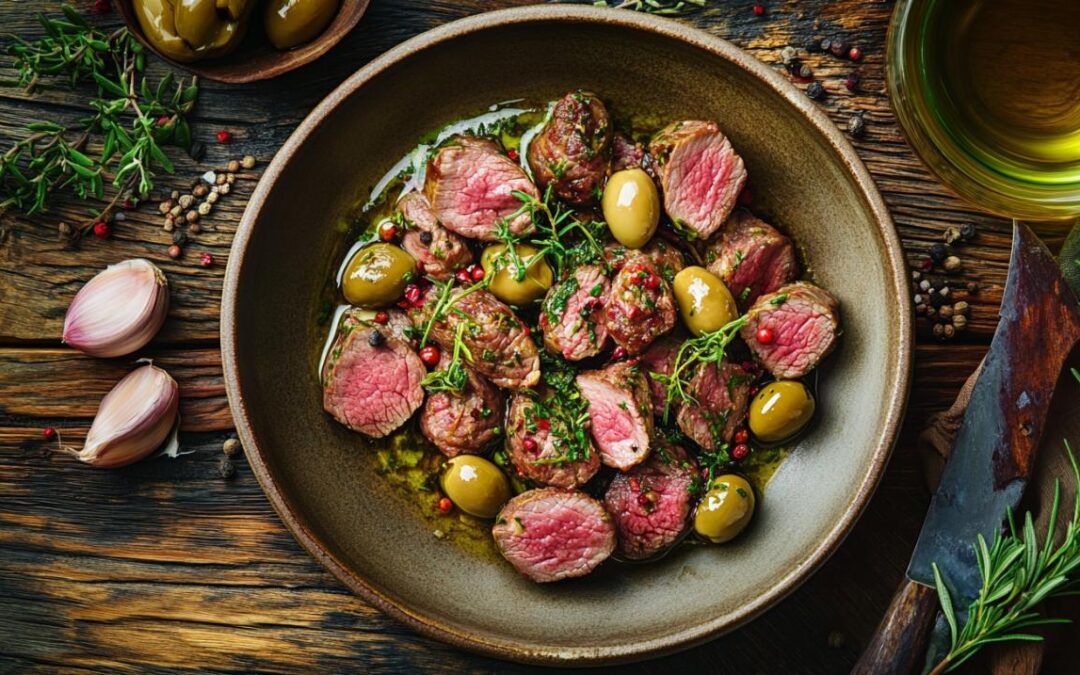
Serving veal with olives is an opportunity to showcase the rustic elegance of Corsican cuisine. The stew should be presented in shallow bowls or deep plates, allowing the rich sauce to pool around the tender pieces of meat. A final drizzle of high-quality olive oil over the top adds a glossy finish and a burst of fresh, peppery flavour. Garnishing with a few whole olives and a sprig of fresh thyme not only enhances the visual appeal but also signals to diners the key ingredients they are about to enjoy.
Traditional accompaniments include polenta, known locally as pulenda, which is made from chestnut flour and has a slightly sweet, nutty flavour that complements the savoury stew. Alternatively, crusty bread is ideal for soaking up the sauce, ensuring that not a drop of the precious liquid goes to waste. A simple green salad dressed with olive oil and lemon juice can provide a refreshing contrast to the richness of the veal. When it comes to wine, a glass of Patrimonio or Ajaccio red, made from Nielluccio or Sciacarello grapes, is the perfect pairing, echoing the flavours used in the cooking and tying the meal together with a sense of place.
Corsican veal with olives is more than just a recipe; it is a window into the island's soul. It speaks of a people who have learned to make the most of their land, who honour their history while adapting to the present, and who understand that the best meals are those shared with family and friends around a table laden with simple, honest food. Whether enjoyed in a small village on the island or recreated in a kitchen far from the Mediterranean, this dish carries with it the flavours and stories of Corsica, inviting all who taste it to pause, savour, and remember.
by cafe-eilat | May 3, 2026 | Recipes
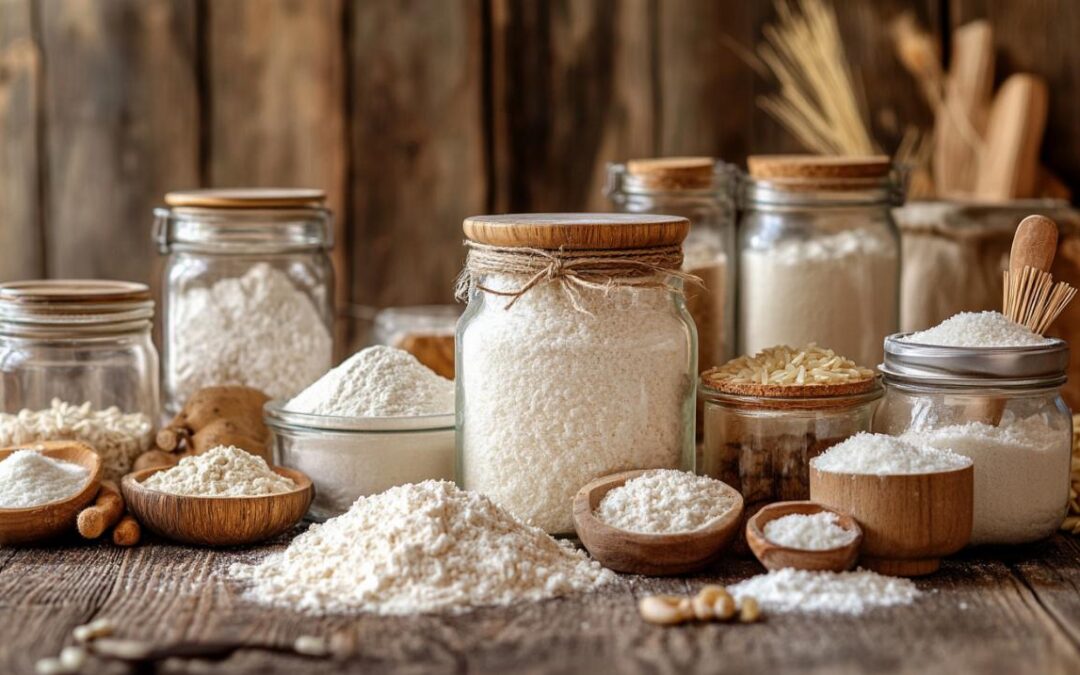
When you find yourself mid-recipe only to discover the cornflour tin is empty, panic can quickly set in. Yet there's absolutely no need to abandon your culinary ambitions. The world of thickening agents extends far beyond the familiar white powder many of us keep tucked away in the cupboard. Whether you're navigating dietary restrictions, experimenting with new textures, or simply working with what you've got on hand, there are numerous effective substitutes that can rescue your sauces, gravies, and desserts with aplomb.
Understanding why you might need to replace cornflour
The reasons for seeking an alternative to cornflour are as varied as the cooks who reach for them. Some households run out at the most inconvenient moments, whilst others are deliberately avoiding corn-based products due to allergies or sensitivities. Then there's the matter of carbohydrate content, which has become a pressing concern for those following specific eating patterns such as the keto diet. Cornflour, despite its remarkable thickening prowess, contains approximately twenty-five grammes of net carbs per ounce, making it entirely unsuitable for low-carb regimens. Beyond these practical considerations, certain recipes benefit from the unique characteristics that alternative starches bring to the table, whether that's improved clarity in a delicate sauce or a subtle flavour enhancement in a dessert.
Common reasons for seeking cornflour alternatives
The most straightforward reason many cooks seek alternatives is simple availability. Running out of cornflour when you're halfway through preparing a Sunday roast gravy is a scenario that resonates with countless home cooks. Yet dietary requirements have emerged as an equally compelling motivation. Those avoiding gluten often turn to cornflour as a safe option, but individuals with corn allergies or intolerances must look elsewhere entirely. Furthermore, the rise of ketogenic and other low-carbohydrate eating patterns has prompted many to reconsider their reliance on traditional starch-based thickening agents. When you're monitoring your carbohydrate intake meticulously, that seemingly innocuous tablespoon of cornflour can represent a significant portion of your daily allowance.
How different starches affect your recipes
Not all thickening agents behave identically in the kitchen, and understanding these differences can mean the distinction between culinary triumph and disappointment. Traditional wheat flour, for instance, can render sauces slightly opaque, which works beautifully in hearty gravies but might not suit a delicate fruit glaze. Potato starch thickens with remarkable speed, demanding careful attention to prevent your sauce from becoming overly viscous or developing an unpleasant texture from overheating. Meanwhile, tapioca starch requires double the quantity you'd use for cornflour and can turn unpleasantly stringy when exposed to high temperatures for extended periods. Each starch brings its own personality to your cooking, influencing not just thickness but also appearance, mouthfeel, and even flavour in subtle ways that become apparent once you start experimenting.
Brilliant Thickening Agents to Use Instead of Cornflour
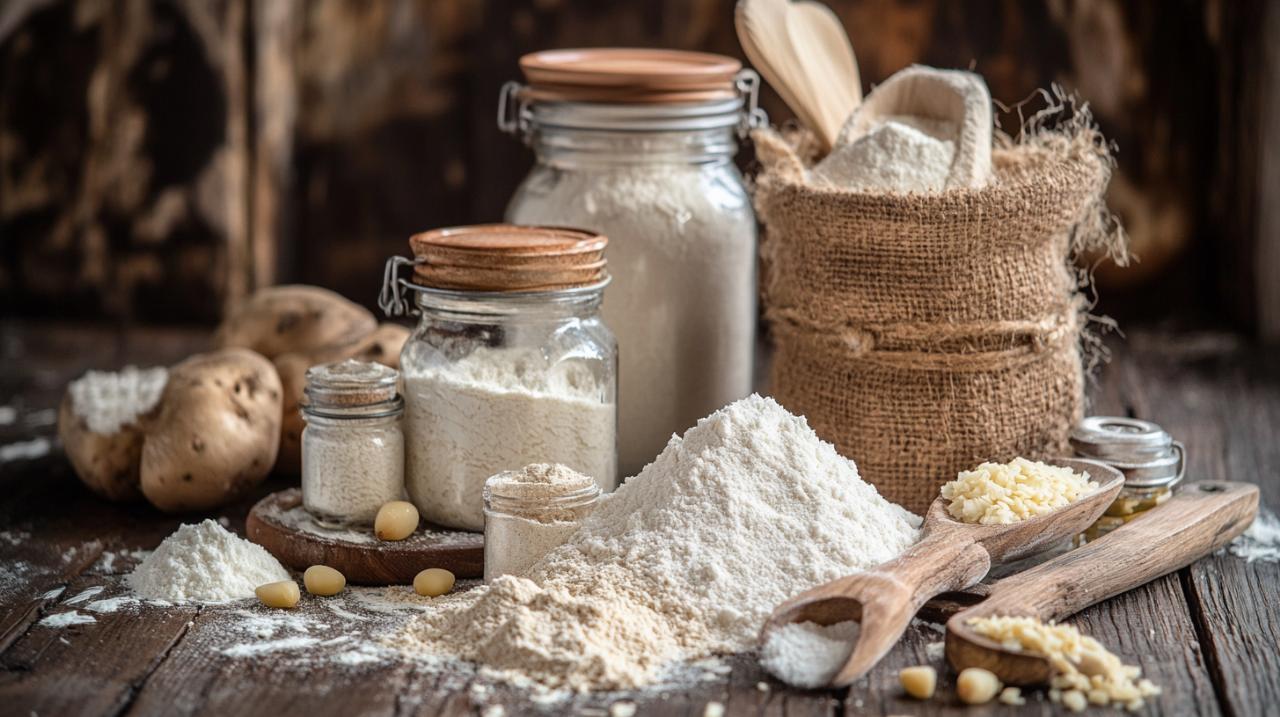
The array of alternatives available might surprise you, ranging from other refined starches to ground nuts and even vegetables. Arrowroot powder stands out as a particularly versatile option, working on a straightforward one-to-one ratio with cornflour and excelling in sauces and pie fillings, though it does tend to make dairy products rather slimy if you're not careful. Potato starch mirrors cornflour quite closely in behaviour, using the same ratio and thickening rapidly, which makes it excellent for quick pan sauces but requires vigilance to avoid overheating. For those willing to adjust their measurements, tapioca starch offers another possibility, though you'll need twice as much as you would cornflour, and it's best kept away from prolonged high-heat cooking to prevent that notorious stringiness from developing.
Gluten-free options for those with dietary requirements
Navigating gluten-free cooking needn't mean sacrificing texture or quality in your sauces. Glutinous rice flour, despite its misleading name, contains no gluten whatsoever and substitutes for cornflour at a one-to-one ratio, bringing with it an authenticity that's particularly valued in Asian cuisine. For those embracing ketogenic eating patterns, glucomannan powder emerges as an absolute champion, delivering remarkable thickening power with zero net carbs per cup and the added benefit of acting as a natural prebiotic that supports gut health and digestion whilst potentially improving cholesterol levels. Xanthan gum represents another powerful ally, though it requires only a quarter of the amount you'd use for cornflour and demands restraint, as excessive quantities can trigger digestive discomfort. Chia seeds provide an ingenious solution when mixed with liquid, forming a gel-like consistency whilst contributing valuable minerals including manganese, phosphorus, calcium, zinc, copper, and potassium, all for just two grammes of net carbs per ounce.
Traditional flour-based alternatives for sauces
Standard wheat flour remains the most accessible substitute in many kitchens, working at a one-to-one ratio with cornflour, though it does tend to cloud your liquids slightly, which might actually enhance the rustic appeal of certain traditional sauces. Almond flour brings something rather different to your cooking, contributing a subtle sweetness and nutty undertone that works magnificently in desserts and certain savoury applications. At one hundred sixty calories and three grammes of net carbs per quarter-cup, it delivers nutritional benefits including vitamins, minerals, and compounds that support heart health. Coconut flour demands a completely different approach, requiring just one quarter of the amount you'd use for cornflour due to its exceptional absorbency, making it most successful in recipes specifically designed to accommodate its unique properties. Even cauliflower has found its way into the thickening arsenal, with cooks boiling florets in broth before blending them into a creamy base that adds body to soups whilst keeping carbohydrate counts remarkably low.
Practical Tips for Substituting Cornflour in Your Favourite Recipes
Successfully replacing cornflour requires more than simply swapping one powder for another. The technique matters enormously, as does understanding the specific characteristics of your chosen substitute. Flaxseeds, for instance, contribute omega-3 fatty acids, antioxidants, and lignans to your dishes whilst adding virtually no net carbs at just two tablespoons, making them brilliant for health-conscious cooks. However, they create a slightly different texture than traditional starches, so you'll want to consider how that fits within your overall dish. Similarly, whilst xanthan gum proves invaluable for helping baked goods rise and thicken, using too much transforms your carefully crafted sauce into something resembling wallpaper paste.
Proper ratios when using different thickening starches
Getting your measurements right makes all the difference between success and a sticky disaster. Most straightforward substitutes including arrowroot powder, potato starch, glutinous rice flour, wheat flour, and almond flour work on a simple one-to-one basis with cornflour, making the mental arithmetic refreshingly simple. Tapioca starch breaks from this pattern, demanding twice the quantity, so if your recipe calls for one tablespoon of cornflour, you'll need two tablespoons of tapioca starch to achieve similar results. Coconut flour and xanthan gum move in the opposite direction, requiring significantly less than cornflour due to their potent thickening properties. For coconut flour, you'll need just one quarter of the original amount, whilst xanthan gum requires the same reduction, meaning a teaspoon of cornflour translates to merely a quarter teaspoon of either substitute. Understanding these conversions prevents the common pitfall of adding too much or too little, either leaving your sauce disappointingly thin or transforming it into an impenetrable gel.
Techniques for Achieving Perfect Consistency in Reduced Sauces
The method you employ when incorporating your chosen thickening agent can prove just as crucial as the ingredient itself. Many starches benefit from being mixed with cold liquid before introduction to your hot sauce, preventing those frustrating lumps that can plague even experienced cooks. When working with potato starch, remember that it thickens with remarkable speed, so add it gradually whilst stirring constantly, and remove your pan from the heat once you've achieved the desired consistency to prevent the sauce from becoming unpleasantly thick or developing an off texture. Arrowroot powder similarly requires gentle handling, particularly in dairy-based sauces where overzealous stirring or excessive heat can create that undesirable sliminess. For those experimenting with glucomannan powder, patience proves essential as it takes slightly longer to fully hydrate and reveal its thickening power, so resist the temptation to keep adding more before giving it adequate time to work. With cauliflower-based thickeners, achieving silky smoothness depends entirely on thorough blending, so invest the extra minute with your food processor or blender to ensure no lumps remain to spoil the texture of your finished sauce.
by cafe-eilat | May 2, 2026 | Equipment
Pocket knives have long held a special place in the world of everyday carry items, combining practicality with personal expression. Among the brands that have emerged to redefine what a modern folding knife can be, Deejo stands out with its commitment to creating lightweight, highly customisable, and aesthetically striking blades. For those considering an investment in a quality pocket knife that balances form and function, understanding what Deejo offers in terms of craftsmanship, real-world performance, and long-term value becomes essential. This guide explores the key aspects of Deejo knives, from their distinctive French design heritage to their pricing structures and potential resale value, helping you make an informed decision about whether these knives deserve a place in your collection or daily routine.
Understanding deejo knives: craftsmanship and design philosophy
Deejo has carved out a unique niche in the competitive world of pocket knives by focusing on a design philosophy that prioritises both elegance and practicality. The brand's approach is rooted in the belief that a knife should be an extension of its owner's personality, which is why customisation sits at the heart of their offering. Rather than producing mass-market blades that all look identical, Deejo invites customers to create something truly personal. This philosophy extends beyond mere aesthetics, influencing every aspect of their knives from the materials chosen to the manufacturing processes employed. The result is a product that feels less like a tool and more like a carefully considered accessory that happens to be remarkably functional.
The french heritage behind deejo's distinctive blade design
Deejo's origins in France play a significant role in shaping the brand's identity and design sensibilities. French craftsmanship has long been associated with attention to detail and an appreciation for refined aesthetics, qualities that are evident in every Deejo knife. The brand draws inspiration from traditional knife-making techniques whilst embracing contemporary manufacturing methods to create blades that are both timeless and modern. This blend of old-world craftsmanship and innovative thinking manifests in the clean lines and minimalist profiles that define Deejo's products. The company's commitment to maintaining a connection to its French roots is not merely a marketing tool but rather a fundamental aspect of how they approach design, ensuring that each knife reflects a certain je ne sais quoi that sets it apart from competitors. The emphasis on style without sacrificing substance has allowed Deejo to appeal to a broad audience, from those who appreciate the finer points of knife design to everyday users who simply want something that looks good whilst performing reliably.
Materials and manufacturing process: what makes deejo stand out
The materials and construction methods employed by Deejo are central to understanding the quality of their knives. At the core of every Deejo blade is Z40C13 stainless steel, a material chosen for its balance of sharpness retention, corrosion resistance, and ease of maintenance. This particular grade of steel strikes a practical middle ground, offering performance that suits everyday carry without requiring the kind of intensive care that some higher-end steels demand. The manufacturing process ensures that each blade is ground to a precise edge, ready to perform straight out of the box. Beyond the blade itself, Deejo offers a range of handle materials that allow for significant customisation, from lightweight synthetic options to more premium choices like wood and carbon fibre. This variety enables customers to tailor their knives not just in appearance but also in feel and weight distribution. The assembly process is designed to maintain tight tolerances, ensuring that the folding mechanism operates smoothly and reliably over time. Deejo's commitment to quality control means that even their entry-level models exhibit a level of fit and finish that compares favourably with more expensive offerings from other manufacturers. The combination of thoughtful material selection and precise manufacturing results in pocket knives that manage to be both lightweight knives and robust tools suitable for a variety of tasks.
Quality assessment: are deejo knives worth your investment?
Determining whether a pocket knife represents a worthwhile investment requires looking beyond marketing claims to examine real-world performance and user experiences. Deejo knives occupy an interesting position in the market, offering a level of customisation and aesthetic appeal that is relatively rare at their price point. However, the true measure of any blade lies in how it performs when put to regular use, how well it maintains its edge over time, and whether the overall construction holds up to the demands of daily carry. Assessing these factors provides a clearer picture of the value proposition that Deejo presents to potential buyers.
Performance testing: blade sharpness, durability and long-term reliability
When evaluating the performance of Deejo knives, it is important to consider the context in which they are designed to operate. These are not heavy-duty work knives intended for demanding outdoor tasks or survival situations. Instead, they are conceived as everyday carry tools that excel at routine cutting tasks such as opening packages, preparing food, or handling general day-to-day needs. Within this scope, Deejo knives perform admirably. The Z40C13 stainless steel blades arrive sharp and maintain a serviceable edge through regular use, though they will require periodic maintenance to keep them at optimal performance. The lightweight construction, with models weighing as little as fifteen grams, makes these knives exceptionally easy to carry without adding noticeable bulk to your pocket. The folding mechanism operates smoothly, and the blade locks securely when open, providing confidence during use. Long-term reliability appears solid for knives in this category, with the metal components benefiting from a lifetime warranty that covers screws and other metal parts. The handle plate carries a two-year warranty, which is reasonable given that these components may be subject to more wear depending on the materials chosen. Users should be aware that the emphasis on lightweight design does mean these knives are more suited to precision tasks rather than heavy cutting, and treating them accordingly will ensure they remain reliable companions for years to come.
Customer experience and real-world usage feedback
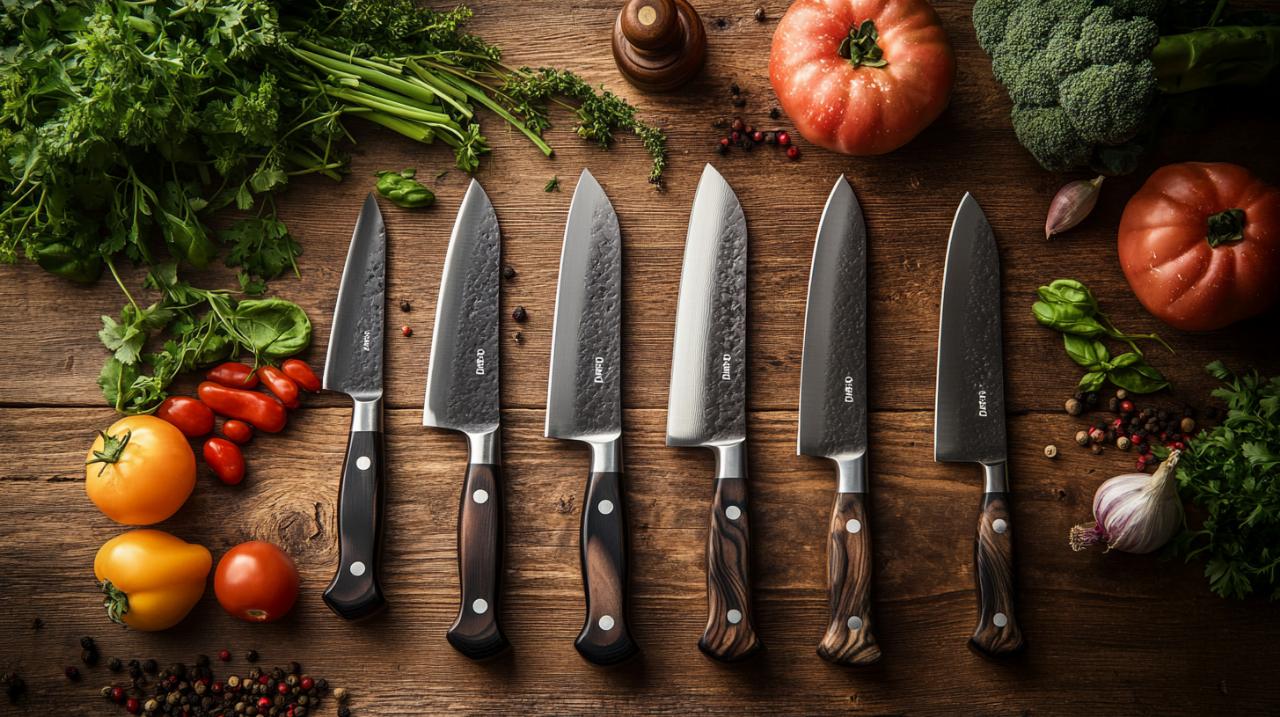
The customer experience with Deejo extends beyond the physical product to encompass the entire purchasing and ownership journey. One of the brand's standout features is the promise of rapid turnaround, with customisable pocket knife orders typically shipped within forty-eight hours despite being personalised to individual specifications. This combination of customisation and speed is relatively uncommon in the knife industry and represents a significant advantage for those who want something unique without the extended wait times that custom work usually entails. Real-world feedback from users highlights the stylish design as a major draw, with many appreciating how these knives serve as conversation starters and accessories that complement personal style. The engraving options allow for meaningful personalisation, making these knives popular as gifts or commemorative items. Customer support appears responsive, and the brand offers comprehensive resources including a FAQ section that addresses common questions about manufacturing, maintenance, and legal considerations. The website facilitates international shipping and supports multiple currencies including pounds sterling and US dollars, making it accessible to a global audience. Users consistently note that whilst these knives may not be the choice for extreme use cases, they excel in their intended role as elegant everyday carry items that combine functionality with personal expression. The overall consensus suggests that for those seeking a lightweight, customisable pocket knife for daily tasks, Deejo delivers an experience that justifies the investment, particularly when considering the combination of aesthetics, performance, and the brand's customer-focused approach.
Pricing Strategy and Resale Value: Making a Smart Purchase Decision
Understanding the financial aspect of purchasing a Deejo knife involves examining both the initial outlay and the potential long-term value retention. Pocket knives can represent anything from disposable tools to investment pieces that appreciate over time, and knowing where Deejo falls on this spectrum helps inform whether these knives represent a smart purchase for your particular needs and budget.
Current market pricing: comparing value across different deejo models
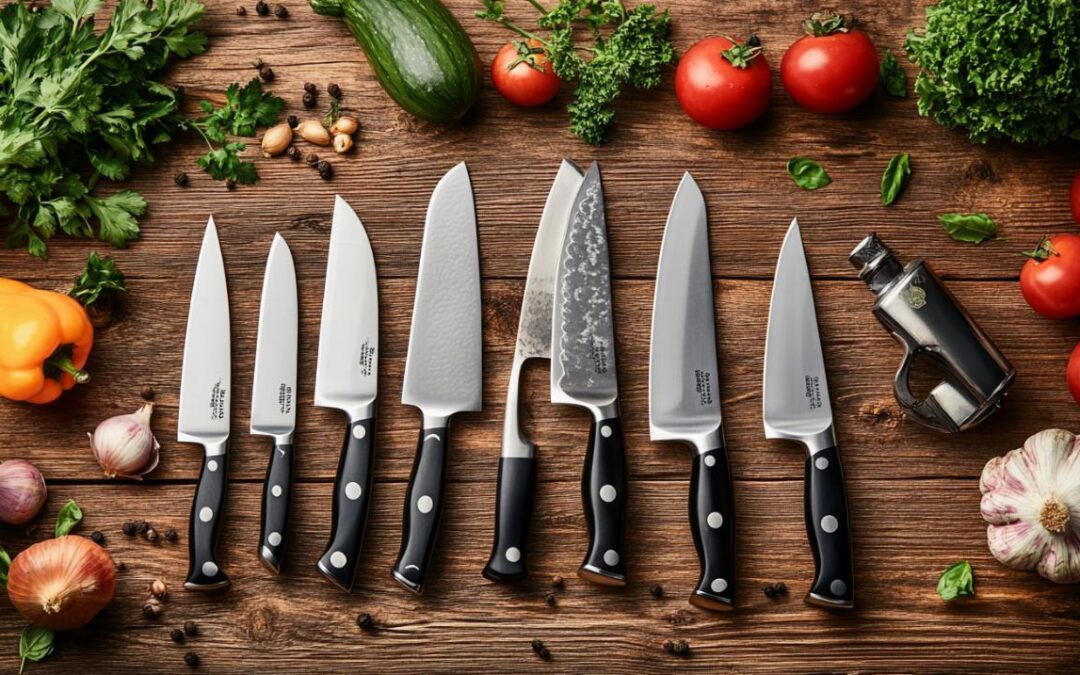
Deejo's pricing structure reflects the range of options available within their product line. Entry-level models start at approximately thirty-five pounds, making them accessible to those looking for an affordable introduction to customisable pocket knives without a significant financial commitment. These base models still offer the core features that define the Deejo experience, including lightweight construction, sharp blades, and the ability to personalise your knife to some degree. As you move up the range, prices increase based on factors such as blade size, handle materials, and the complexity of design elements. Mid-range offerings typically fall around the one hundred pound mark, providing enhanced materials and more extensive customisation options whilst remaining within reach for most enthusiasts. At the premium end of the spectrum, luxury models can reach three hundred and ninety-nine pounds, incorporating exotic materials, intricate designs, and exceptional finishing. These high-end pieces blur the line between functional tools and collectible art objects. Beyond the pocket knives themselves, Deejo offers complementary products including steak knives, waiter's knives, and kitchen knives, as well as accessories such as sharpeners and sheaths that enhance the ownership experience. When comparing value across the range, the standard thirty-seven gram models appear to offer the best balance of features, performance, and price for most users. These knives provide the full Deejo experience without venturing into luxury pricing, making them suitable for everyday carry whilst still delivering the aesthetic appeal and customisation that define the brand. For those seeking the ultimate in portability, the twenty-seven gram ultralight models represent an impressive engineering achievement, though the slight premium reflects the additional precision required to reduce weight whilst maintaining structural integrity.
Resale Potential and Collector's Market for Deejo Pocket Knives
The resale market for Deejo knives presents an interesting picture that differs somewhat from traditional collectible knife brands. Unlike established names with decades of history and dedicated collector communities, Deejo is a relatively young brand that has built its reputation on customisation and contemporary design rather than historical significance or limited production runs. This positioning affects resale value in several ways. On one hand, the highly personalised nature of many Deejo knives can limit their appeal on the secondary market, as engravings and specific design choices that resonated with the original owner may not appeal as broadly to potential buyers. This personalisation factor typically means that customised Deejo knives sell for less on the used market than their original purchase price, sometimes significantly so. However, standard models without personalisation tend to hold their value somewhat better, particularly if they are well-maintained and come from the brand's more premium lines. The collector's market for Deejo remains modest compared to classic brands, though there is growing interest in contemporary knife designs among younger collectors who appreciate modern aesthetics and innovative manufacturing. Limited edition releases or collaborations could potentially command higher resale values in the future, particularly as the brand continues to establish its reputation. For those purchasing Deejo knives primarily as functional tools and personal accessories rather than investment pieces, the resale consideration becomes less critical, as the value derived from ownership and use outweighs eventual resale returns. That said, maintaining your knife in good condition, keeping original packaging, and opting for less personalised designs can help preserve resale value should you decide to move your knife along to a new owner. Ultimately, whilst Deejo knives may not appreciate in value like vintage collectibles, they represent a solid investment in quality everyday carry gear that provides tangible returns through years of reliable service and aesthetic enjoyment.