Savour Les Délices Chocolates of the South-West: A Gourmet Adventure Through Hidden Chocolatier Gems
Imagine wandering through sun-drenched villages where the scent of cocoa mingles with the aroma of freshly baked pastries, where every chocolatier's window display promises a taste of something utterly sublime. The south-west of France, a region celebrated for its rolling vineyards, hearty cuisine, and pastoral charm, also harbours a lesser-known treasure trove for those with a passion for fine chocolate. Here, artisan chocolatiers craft confections that speak of tradition, innovation, and a deep respect for local produce. This is not merely about indulging a sweet tooth; it is about embarking on a gourmet adventure that unveils the soul of a region through its most delectable offerings.
Discovering the Artisan Chocolatiers of South-West France
The south-western corner of France is home to a network of small-scale chocolatiers whose dedication to their craft rivals that of the finest winemakers. These ateliers, often tucked away in charming market towns or nestled in the countryside, operate with a philosophy that values quality over quantity. Many are family-run enterprises, where recipes and techniques have been passed down through generations, creating a sense of continuity and authenticity that is increasingly rare in our modern world. Walking into one of these workshops feels like stepping back in time, where the rhythmic sound of chocolate being tempered and the rich, heady aroma of cocoa envelop you in a sensory embrace.
Family-run ateliers and time-honoured techniques
What sets these artisan chocolatiers apart is their unwavering commitment to traditional methods. In an age where mass production dominates, these craftspeople still hand-pour, hand-mould, and hand-decorate each piece with meticulous care. The result is chocolate that is not only visually stunning but also possesses a depth of flavour that speaks to the skill and patience invested in its creation. Many of these ateliers open their doors to visitors, offering workshops and tasting sessions that provide an intimate glimpse into the chocolate-making process. Here, you can witness the transformation of raw cocoa into glossy ganaches, delicate pralines, and velvety truffles, all while learning about the science and artistry that underpin this ancient craft. The experience is both educational and utterly enchanting, leaving you with a newfound appreciation for the complexity behind every bite.
The regional ingredients that define authentic south-western chocolate
The true magic of south-western chocolate lies in its connection to the land. Chocolatiers in this region do not simply rely on imported cocoa; they celebrate the bounty of their own terroir by incorporating locally sourced ingredients into their creations. From the luscious prunes of Agen to the robust notes of Armagnac, each ingredient tells a story of the region's agricultural heritage. The use of fresh cream from nearby dairies, honey harvested from local apiaries, and nuts grown in surrounding orchards ensures that every chocolate carries a distinct sense of place. This dedication to regional produce not only enhances the flavour profile but also supports local farmers and producers, creating a sustainable and interconnected food economy that benefits the entire community.
A tasting journey through south-western chocolate specialities
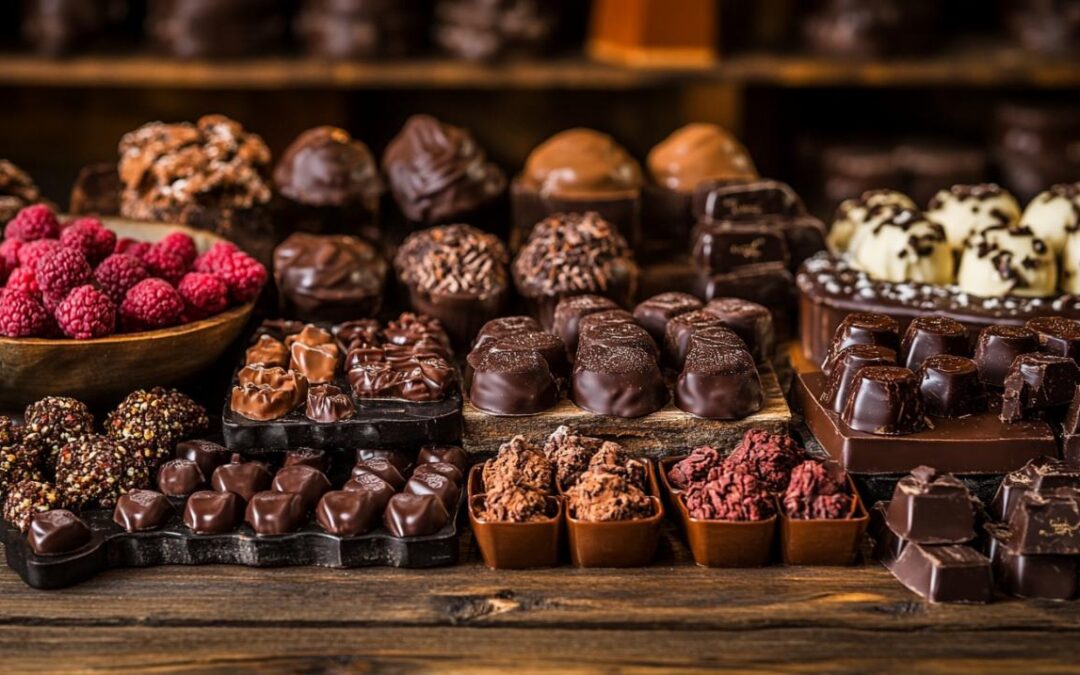
Embarking on a tasting journey through the south-west is akin to exploring a culinary map where each chocolatier offers a unique interpretation of tradition and innovation. The diversity of flavours available is staggering, ranging from classic dark chocolate ganaches to more adventurous combinations that challenge the palate in the most delightful ways. As you sample your way through these offerings, you begin to understand how the region's history, culture, and natural resources converge to create something truly extraordinary. Each chocolate is a miniature work of art, a testament to the skill and creativity of its maker, and a celebration of the ingredients that make the south-west of France such a gastronomic paradise.
Signature Flavours: From Prune d'Agen to Armagnac Infusions
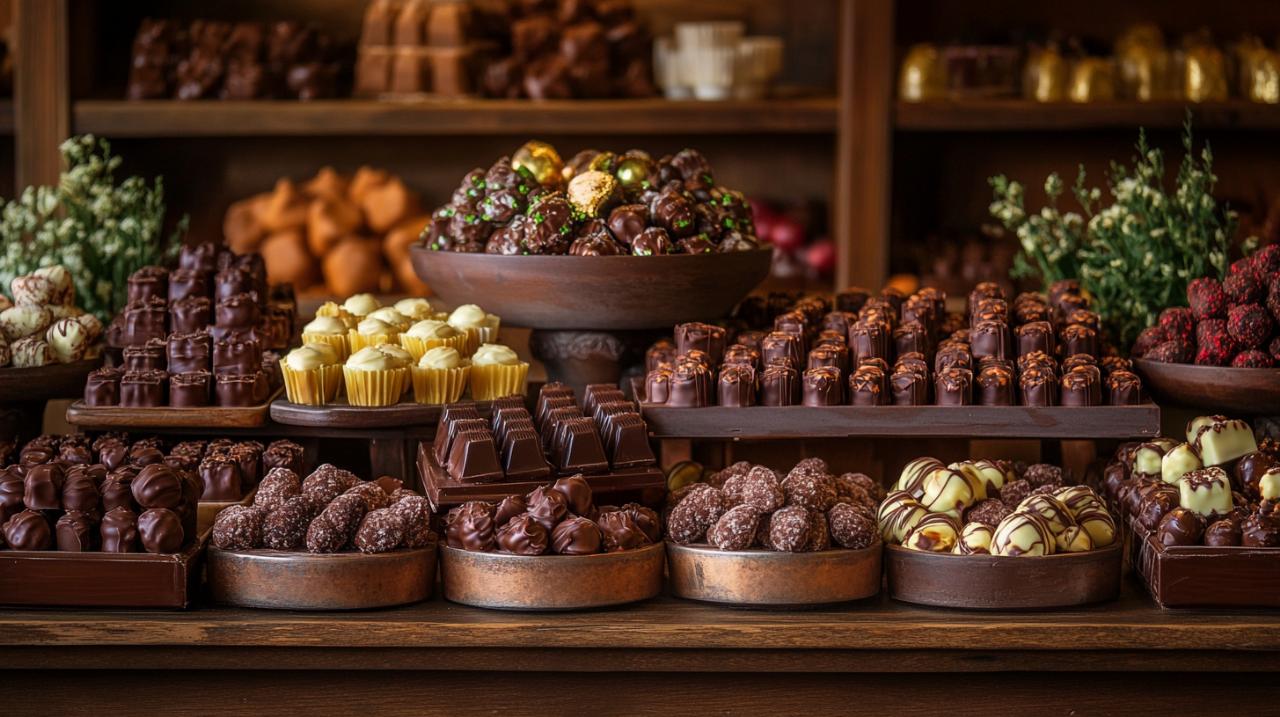
Among the standout specialities of the region are chocolates infused with prune d'Agen, a fruit that has been cultivated in the area for centuries and is renowned for its sweet, honeyed flavour. When paired with rich, dark chocolate, the prune's natural sugars and subtle tartness create a harmonious balance that is both comforting and sophisticated. Equally captivating are the Armagnac-infused chocolates, where the fiery spirit is mellowed by the cocoa, resulting in a confection that is warm, aromatic, and utterly addictive. These signature flavours are not mere novelties; they are expressions of regional identity, capturing the essence of the south-west in every bite. Many chocolatiers also experiment with other local ingredients such as walnut, hazelnut, and even duck foie gras, pushing the boundaries of what chocolate can be while remaining rooted in tradition.
Seasonal treasures and limited edition creations
Part of the allure of visiting these chocolatiers is the opportunity to discover seasonal treasures and limited edition creations that are available only at certain times of the year. During the autumn months, for instance, you might find chocolates featuring freshly harvested chestnuts or wild mushrooms, while spring brings delicate floral infusions and fresh berry ganaches. These limited runs are often produced in small batches, making them highly sought after by collectors and connoisseurs alike. The ever-changing selection ensures that each visit offers something new and unexpected, encouraging you to return time and again to see what the chocolatiers have dreamed up next. This sense of anticipation and discovery is a key part of the gourmet adventure, transforming a simple chocolate purchase into a memorable experience.
Planning your chocolate-fuelled gourmet adventure
For those ready to embark on this delicious journey, a bit of planning can enhance the experience manifold. The south-west of France is a sprawling region, and while it is possible to stumble upon a hidden gem by chance, a well-thought-out itinerary ensures that you make the most of your time and savour the very best the region has to offer. Whether you are a seasoned chocolate aficionado or a curious traveller eager to explore new tastes, there are countless opportunities to immerse yourself in the world of artisan chocolate, from guided tours and hands-on workshops to leisurely tastings and personalised consultations with master chocolatiers.
Must-visit chocolatier workshops and tasting experiences
Several chocolatiers in the region offer immersive workshops where you can learn the fundamentals of chocolate making under the guidance of experienced artisans. These sessions typically cover everything from tempering and moulding to flavour pairing and decoration, providing a comprehensive introduction to the craft. Many workshops also include a tasting component, allowing you to sample a variety of chocolates and develop a more refined palate. For those who prefer a less hands-on approach, tasting experiences are available where you can sit back and savour a curated selection of chocolates while learning about their creation and the stories behind each flavour. These experiences are often intimate, with small groups ensuring that you receive personalised attention and have ample opportunity to ask questions and engage with the chocolatier.
Selecting the Perfect Edible Souvenirs and Gift Hampers
No gourmet adventure would be complete without bringing home a selection of edible souvenirs to share with friends and family or to savour in the quiet moments after your trip. The chocolatiers of the south-west excel at creating beautifully packaged gift hampers that showcase the best of their offerings. These hampers often include a mix of signature flavours, seasonal specialities, and limited edition creations, all presented in elegant boxes or rustic baskets that reflect the charm of the region. When selecting your souvenirs, consider opting for a variety of flavours and textures to give recipients a true taste of the south-west. Many chocolatiers also offer bespoke hampers, allowing you to customise the selection to suit individual tastes and dietary requirements. Whether you choose a single box of exquisite truffles or a lavish hamper brimming with chocolate delights, these edible mementoes will serve as a delicious reminder of your gourmet adventure long after you have returned home.