by cafe-eilat | Apr 14, 2026 | Equipment
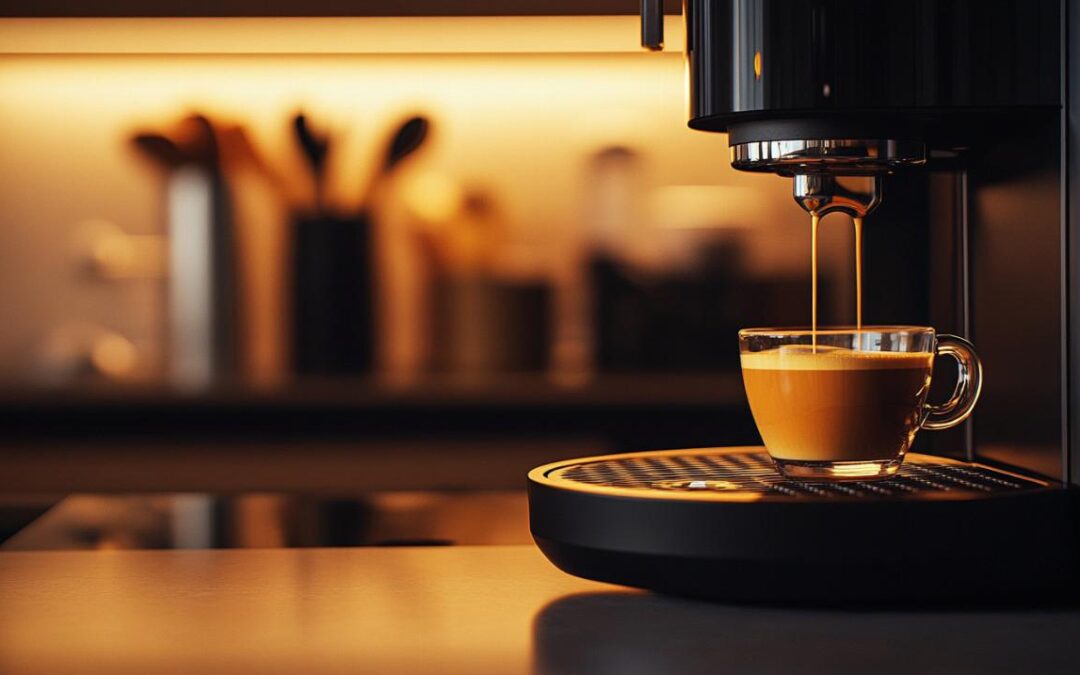
A morning coffee ritual can quickly turn frustrating when your beloved Nespresso machine starts leaving puddles on the worktop. These unexpected leaks not only create a mess but can also signal underlying issues that need attention. Understanding the root causes of these drips and knowing how to address them effectively can restore your machine to its former glory and ensure your daily caffeine fix remains uninterrupted. Whether your machine is actively brewing or sitting idle, identifying the source of the problem is the first step towards a solution.
Common culprits behind your nespresso's unwanted drips
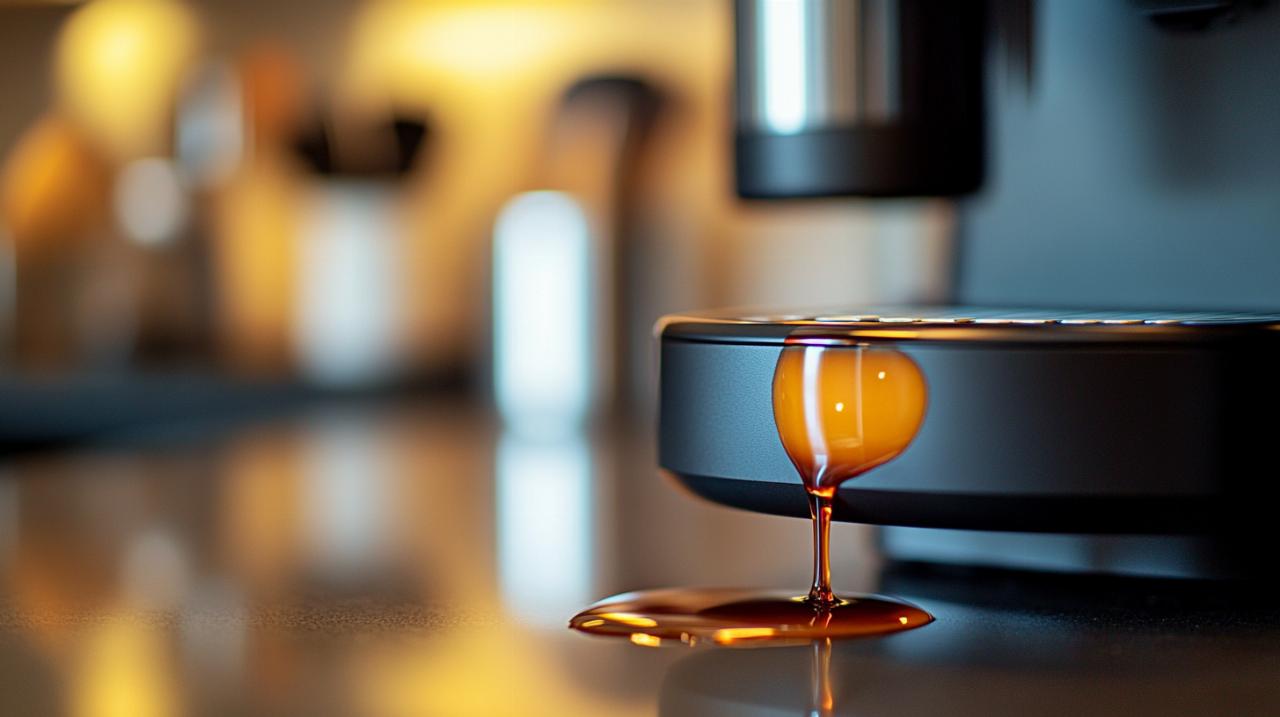
One of the most frequent reasons for a leaking brewing machine involves the timing and circumstances of the leak itself. Observing whether the leak occurs during the brewing process or when the machine is switched off provides valuable clues about what might be going wrong. If water pools around the base while the machine is idle, the issue may differ significantly from leaks that appear during active use. This distinction helps narrow down the potential causes and guides you towards the appropriate fix.
Worn or Damaged Seals and Gaskets
Over time, the seals and gaskets within your Nespresso machine can deteriorate due to regular use and exposure to heat and moisture. These small but crucial components ensure that water flows through the correct channels without escaping. When they become worn, cracked, or misaligned, water can find alternative paths, resulting in leaks. The water tank valve, for instance, must close properly to prevent unwanted drips. If this valve fails to seal correctly, water may seep out even when the machine is not in use. Similarly, ensuring that the water tank is properly attached to the machine is essential, as a loose or improperly fitted tank can lead to leaks at the connection point. Checking these seals regularly and replacing them when necessary can prevent many common leaking issues.
Blocked water lines and limescale build-up
Hard water contains minerals that accumulate inside your brewing machine over time, forming limescale deposits. These deposits can obstruct water lines and interfere with the normal flow of water through the system. When water cannot pass through freely, it may back up and leak from unexpected areas. Additionally, blockages can increase internal pressure, causing seals to fail or water to escape through joints and connections. Placing the water tank on a dry surface can help determine if the tank itself is leaking or if the issue lies within the machine. Regular maintenance, including descaling, is crucial to prevent limescale build-up and maintain the integrity of the water lines. Ignoring this issue not only leads to leaks but can also affect the quality of your coffee and the overall lifespan of your machine.
Simple solutions to fix your leaking nespresso machine
Once you have identified the likely cause of the leak, implementing the right solution becomes straightforward. Many leaks can be resolved with simple cleaning and maintenance tasks that do not require professional assistance. However, in some cases, replacing worn parts may be necessary to fully restore your machine's function. Taking a methodical approach ensures that you address the root cause rather than merely treating the symptoms.
Cleaning and descaling your machine properly
Regular cleaning is one of the most effective ways to prevent and resolve leaks. Start by emptying the capsule container regularly, as a full container can cause overflow and contribute to leaks. Next, perform a thorough descaling of your machine using a suitable descaling solution. This process removes limescale deposits from the internal water lines and components, restoring normal water flow and reducing the risk of leaks. Follow the manufacturer's instructions carefully when descaling, as improper use of descaling agents can damage the machine. Additionally, wipe down the exterior and clean the drip tray to prevent residue build-up that might interfere with the machine's operation. Keeping the water tank clean and checking that it is properly attached to the machine can also prevent leaks at the connection point. For guidance on cleaning and descaling, the Nespresso website offers comprehensive resources in the machine assistance section.
Replacing faulty parts and seals
If cleaning and descaling do not resolve the leak, the issue may lie with worn or damaged parts. Seals, gaskets, and valves can degrade over time and require replacement to restore a watertight seal. Inspect the tank valve to ensure it closes properly, as a faulty valve is a common source of leaks. If you notice visible damage or wear on any seals, consider ordering replacement parts from the manufacturer or an authorised supplier. In some cases, the machine attachment points may also need attention, particularly if the water tank does not fit securely. Replacing these small components is often simple and cost-effective, and it can significantly extend the life of your machine. Should you encounter difficulties or need assistance identifying the correct parts, customer support is available to help. You can contact them by email or ring their freephone number on 800 39 20 29, any time, any day, for personalised machine assistance.
Preventing future leaks: maintenance tips for your nespresso
Prevention is always better than cure, and establishing a regular maintenance routine can save you from the inconvenience of dealing with leaks in the future. By adopting best practices for the care of your brewing machine, you can ensure consistent performance and extend its operational lifespan. Simple habits, when maintained consistently, make a significant difference in the long-term health of your appliance.
Regular cleaning routines to keep your machine healthy
Incorporating routine cleaning into your coffee-making schedule is essential for leak detection and prevention. After each use, empty the capsule container and rinse the drip tray to prevent residue build-up. Weekly, remove the water tank and clean it thoroughly with warm, soapy water, ensuring that the tank valve and machine attachment points are free from debris. Monthly, perform a descaling cycle to eliminate limescale deposits that could block water lines and cause leaks. These simple steps help maintain the integrity of seals and gaskets, reducing the likelihood of wear and tear. Additionally, checking for visible signs of damage or wear during each cleaning session allows you to address potential issues before they escalate into significant problems. By staying vigilant and proactive, you can keep your Nespresso machine running smoothly and leak-free.
Best Practices for Long-Term Care and Performance
Beyond regular cleaning, adopting best practices for the overall care of your machine contributes to its longevity and reliability. Always use filtered or bottled water if your local supply is particularly hard, as this reduces limescale accumulation. Ensure that the water tank is securely attached before each use and that the tank valve is functioning correctly. Avoid overfilling the tank, as excess water can lead to spills and leaks. Store your machine in a dry, stable environment away from direct sunlight and heat sources, which can accelerate the degradation of seals and plastic components. If you plan to store the machine for an extended period, drain all water from the system and clean it thoroughly to prevent mould and mineral build-up. Should you need further advice or wish to update your contact preferences for machine assistance, you can manage your account settings on the Nespresso website, ensuring you receive timely updates and support. Users can change or keep their contact preferences, with changing preferences redirecting to the My Account Contact Preferences section and keeping preferences confirming the current settings. By following these guidelines, you can enjoy a reliable, leak-free brewing experience for years to come.
by cafe-eilat | Apr 14, 2026 | Cooking techniques
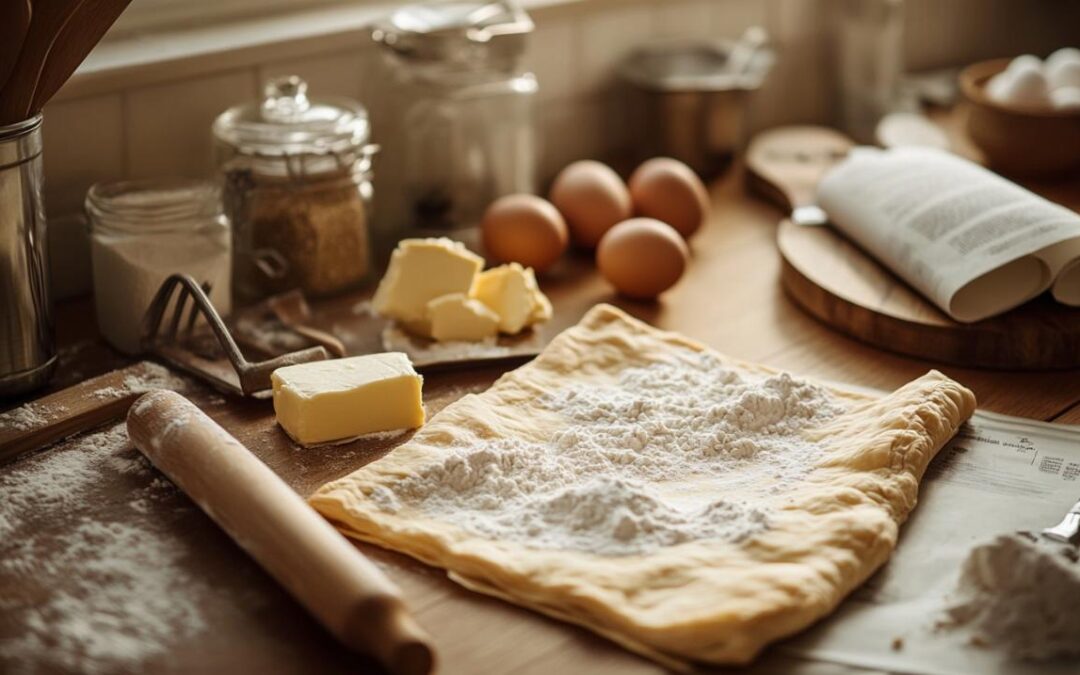
Discovering a forgotten packet of puff pastry lurking at the back of your fridge can stir mixed emotions. On one hand, the prospect of creating delicious savoury treats or sweet indulgences feels thrilling. On the other, that small printed date on the packaging raises a question mark about safety and quality. Navigating the fine line between culinary creativity and food safety requires a clear understanding of what that date truly signifies and how proper storage practices can extend the life of this versatile ingredient.
Assessing puff pastry safety after the use-by date
When puff pastry surpasses its printed use-by date, it does not automatically transform into something hazardous. The date serves as a manufacturer's guideline for optimal quality rather than an absolute cutoff for edibility. However, the decision to use pastry beyond this point hinges on careful examination and proper storage history. Understanding how to evaluate the condition of your pastry can help you make informed choices that balance safety with reducing unnecessary waste.
Visual and Sensory Checks: What to Look For
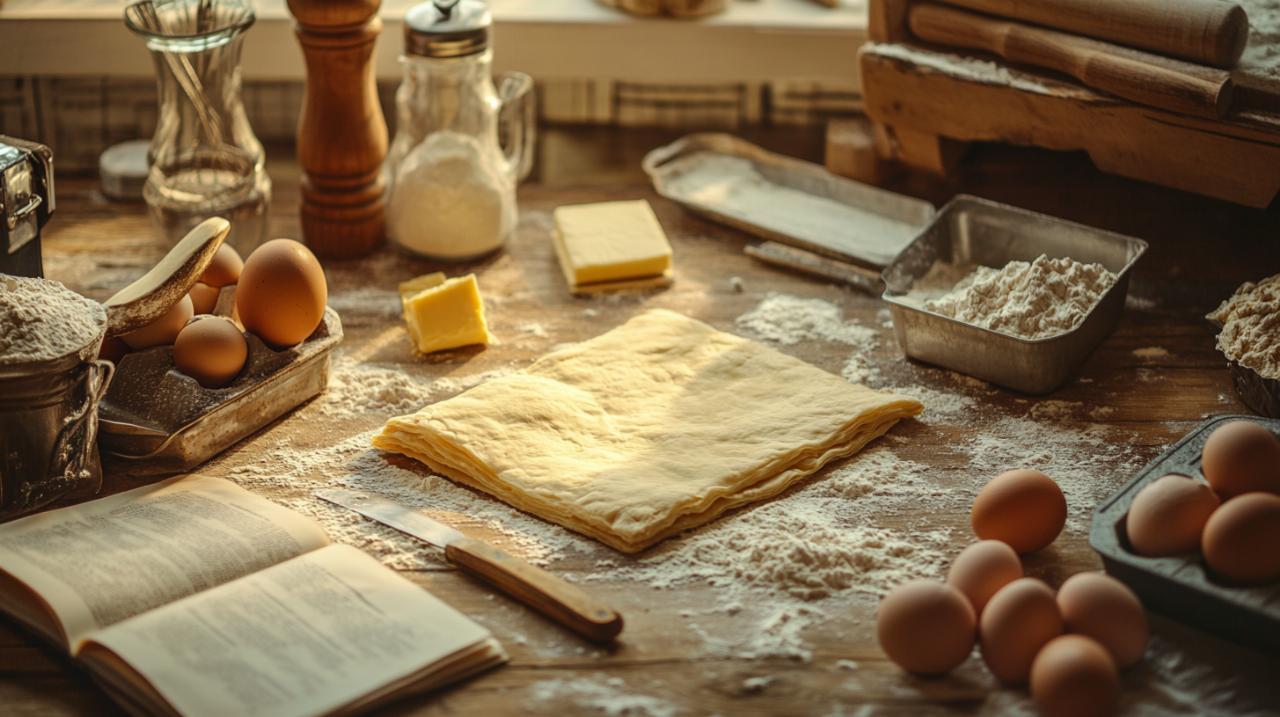
The first step in determining whether your puff pastry remains suitable for baking involves engaging your senses. Begin by unwrapping the pastry and observing its appearance. Fresh puff pastry typically presents a pale, even colour without dark spots or discolouration. Any patches of mould, unusual staining, or slimy texture signal that the product has begun to deteriorate and should be discarded immediately. The smell test proves equally crucial. A neutral or faintly buttery aroma indicates the pastry remains in good condition, whereas sour, rancid, or otherwise unpleasant odours suggest spoilage has set in. Texture offers another clue. Quality puff pastry feels slightly cool to the touch and maintains a firm yet pliable consistency. If the pastry appears excessively dry, crumbly, or conversely too sticky, its baking performance may suffer even if it remains technically safe to consume.
Storage conditions that extend puff pastry freshness
How you store puff pastry dramatically influences its longevity and safety profile. Refrigeration provides short-term preservation, typically extending usability for a couple of days beyond the use-by date if the pastry has been kept at a consistent, cold temperature. For longer-term storage, freezing emerges as the champion solution. Wrapped tightly in cling film to prevent freezer burn, frozen puff pastry can maintain its best quality for ten to twelve months. Frozen raw pastry with filling generally retains optimal characteristics for nine to twelve months, whilst par-baked filled pastries hold their quality for six to eight months. When the time comes to use frozen pastry, patience becomes essential. Thawing should occur gradually in the fridge rather than at room temperature, preserving the delicate layered structure that gives puff pastry its signature rise and flakiness. Proper wrapping and controlled thawing protect the butter layers from becoming separated or compromised, ensuring your baked creations achieve that coveted golden, crisp finish.
Understanding the risks: when expired puff pastry should be discarded
Whilst puff pastry often remains usable shortly after its printed date, certain conditions demand immediate disposal. Recognising these warning signs protects you and your loved ones from potential foodborne illness whilst also clarifying when caution tips into genuine risk.
Signs of spoilage you must not ignore
Several unmistakable indicators reveal when puff pastry has crossed the threshold from merely aged to genuinely unsafe. Visible mould growth, whether appearing as fuzzy patches or discoloured spots, represents an absolute red flag. Mould can penetrate deeper into the pastry than what appears on the surface, making it impossible to salvage the product by simply trimming affected areas. A rancid or sour odour emanating from the pastry signals that fats within the butter layers have oxidised, producing compounds that can cause digestive discomfort and unpleasant flavours. Similarly, any slimy film or sticky residue on the pastry surface indicates bacterial activity that renders the product unsafe. Changes in packaging integrity also matter. If the wrapper appears torn, bloated, or compromised in any way, external contaminants may have infiltrated the pastry, increasing spoilage risk regardless of the printed date.
Food safety guidelines for pastry products
Food safety authorities emphasise that use-by dates on chilled products like puff pastry reflect microbiological safety considerations rather than mere quality markers. Unlike best-before dates, which primarily address taste and texture, use-by dates indicate the period during which the manufacturer guarantees the product remains safe under proper storage conditions. Once this date passes, the risk of bacterial proliferation increases, particularly if the pastry has experienced temperature fluctuations or prolonged exposure to warmer conditions. Pregnant individuals, young children, elderly persons, and those with compromised immune systems face heightened vulnerability to foodborne pathogens and should exercise additional caution. For these groups, adhering strictly to use-by dates offers the safest approach. Even when visual and sensory checks suggest the pastry appears fine, the invisible presence of harmful bacteria cannot be ruled out once the safety window has closed. Balancing waste reduction with health protection requires honest assessment of both the product's condition and the consumer's individual risk factors.
Reducing food waste: creative recipe ideas to use puff pastry before it expires
The most effective strategy for avoiding the dilemma of expired puff pastry involves using it whilst still fresh. Fortunately, this versatile ingredient lends itself to countless quick and easy preparations that transform simple pantry staples into impressive dishes. Whether your palate craves savoury satisfaction or sweet indulgence, puff pastry accommodates both with minimal effort.
Quick savoury bites and elegant canapés
Savoury applications showcase puff pastry's ability to elevate humble ingredients into crowd-pleasing creations. Cheese and onion pasties require just fortyfive minutes from start to finish, combining four hundred and fifty grams of pastry with everyday vegetables and cheese for a satisfying meal. Sausage rolls remain a perennial favourite, with traditional versions needing three hundred and twenty grams of pastry for four generous portions. For those preferring plant-based options, vegan sausage rolls utilise six hundred and forty grams of pastry and seventyfive minutes of cooking time to produce eight delicious rolls that satisfy herbivores and omnivores alike. Sesame puff pastry breadsticks offer an even simpler approach, transforming pastry scraps into crispy accompaniments for soups or dips. Ham and cheese pastries combine protein and dairy in golden parcels that work equally well for brunch, lunch, or casual entertaining. Puff pastry braids filled with red pesto demonstrate how a single flavourful ingredient can create visual impact alongside delicious taste. For those seeking international flair, salty New York rolls stuffed with pesto bring cosmopolitan sophistication to your table. These savoury preparations accommodate batch cooking beautifully, allowing you to freeze finished products for convenient future meals whilst preventing pastry waste.
Sweet Treats and Breakfast Pastries to Make at Home
Sweet applications reveal puff pastry's chameleon-like ability to adapt to dessert and breakfast contexts. Easy chocolate Danish requires merely twenty minutes and three hundred and seventy-five grams of pastry to produce sixteen servings of indulgent morning treats. Pastel de Nata, those iconic Portuguese custard tarts, need three hundred and twenty grams of pastry to create twelve portions of creamy, caramelised perfection. Custard slices demand just fifteen minutes of preparation time and three hundred and twenty grams of pastry for eight generous servings. Apple puffs transform seasonal fruit into elegant individual desserts, whilst puff pastry hearts filled with Nutella deliver chocolate satisfaction in charming shapes that appeal to children and adults alike. Simple and quick palmiers demonstrate how sugar and pastry alone can create sophisticated biscuits through clever shaping and caramelisation. Mini ham croissants blur the line between sweet and savoury, offering versatility for different occasions. These sweet recipes particularly benefit from involving young family members in the baking process, turning pastry rescue into quality time and skill-building opportunities. The forgiving nature of puff pastry tolerates gentle re-rolling, meaning even imperfect shapes yield delicious results. Some adventurous bakers even repurpose puff pastry as a pizza base, creating a hybrid that marries Italian tradition with French technique, though purists note the structural differences between yeast-leavened pizza dough and butter-layered puff pastry produce distinct textures and flavours.

by cafe-eilat | Apr 14, 2026 | Cooking techniques
Mastering the art of creating perfect emulsions transforms ordinary home cooking into an extraordinary culinary experience. These stable mixtures, which bring together two liquids that naturally resist combining, form the foundation of countless beloved sauces and dressings. From the creamy richness of mayonnaise to the delicate balance of a classic vinaigrette, understanding how to coax oil and water into harmonious union opens up a world of flavour possibilities. Whether you are an enthusiastic novice or a seasoned cook looking to refine your technique, achieving that ideal smooth, homogenous consistency requires both knowledge and practice. The good news is that with the right approach and a bit of patience, anyone can master this essential kitchen skill.
Understanding the science behind emulsions
At the heart of every successful emulsion lies a fascinating battle against nature. The very essence of these mixtures involves convincing two stubborn liquids to cooperate when their molecular structure tells them to do quite the opposite. Grasping the underlying science not only demystifies the process but also empowers you to troubleshoot when things go awry. For those eager to expand their culinary repertoire and explore more advanced techniques, we invite you to visit our cuisine section where detailed guides await. The journey from understanding why liquids separate to creating silky smooth sauces is both intellectually rewarding and practically invaluable in the kitchen.
What makes oil and water incompatible
The age-old saying that oil and water do not mix holds profound scientific truth rooted in molecular chemistry. Water molecules possess a polar structure, meaning they carry both positive and negative charges that attract one another, forming strong bonds. Oil molecules, conversely, are nonpolar and lack these charged regions, preferring instead to cluster together and exclude water. This fundamental difference in molecular architecture creates what scientists call surface tension, an invisible barrier that prevents the two liquids from integrating. When you pour oil into water, the oil naturally floats and forms distinct globules, stubbornly refusing to disperse. This incompatibility presents the central challenge in emulsion creation, as the cook must find a way to overcome these powerful natural forces and persuade the liquids to remain suspended together in a stable, creamy mixture.
The Role of Emulsifiers in Stabilising Mixtures
Emulsifiers serve as the peacemakers in this molecular standoff, possessing unique structures that allow them to bridge the gap between oil and water. These remarkable compounds feature both hydrophilic regions, which love water, and hydrophobic regions, which prefer oil. When introduced into a mixture, emulsifier molecules position themselves at the boundary between oil droplets and the surrounding water, effectively reducing surface tension and preventing separation. Lecithin, discovered by Théodore Nicolas Gobley in eighteen seventy-four, remains one of the most powerful natural emulsifiers found abundantly in egg yolks and soybeans. Beyond lecithin, mucilage present in mustard, flaxseed, and chia seeds offers excellent stabilising properties, whilst casein from milk products also contributes to emulsion formation. These ingredients work tirelessly to keep oil droplets dispersed throughout the water phase, creating that coveted smooth texture. Different types of emulsions exist depending on their stability: temporary emulsions like vinaigrette separate quickly and require vigorous shaking before use, semi-permanent varieties such as beurre blanc and hollandaise last longer but remain fragile and sensitive to temperature changes, whilst permanent emulsions including mayonnaise and milk maintain their creamy, blended state almost indefinitely when properly prepared.
Essential techniques for achieving stable emulsions
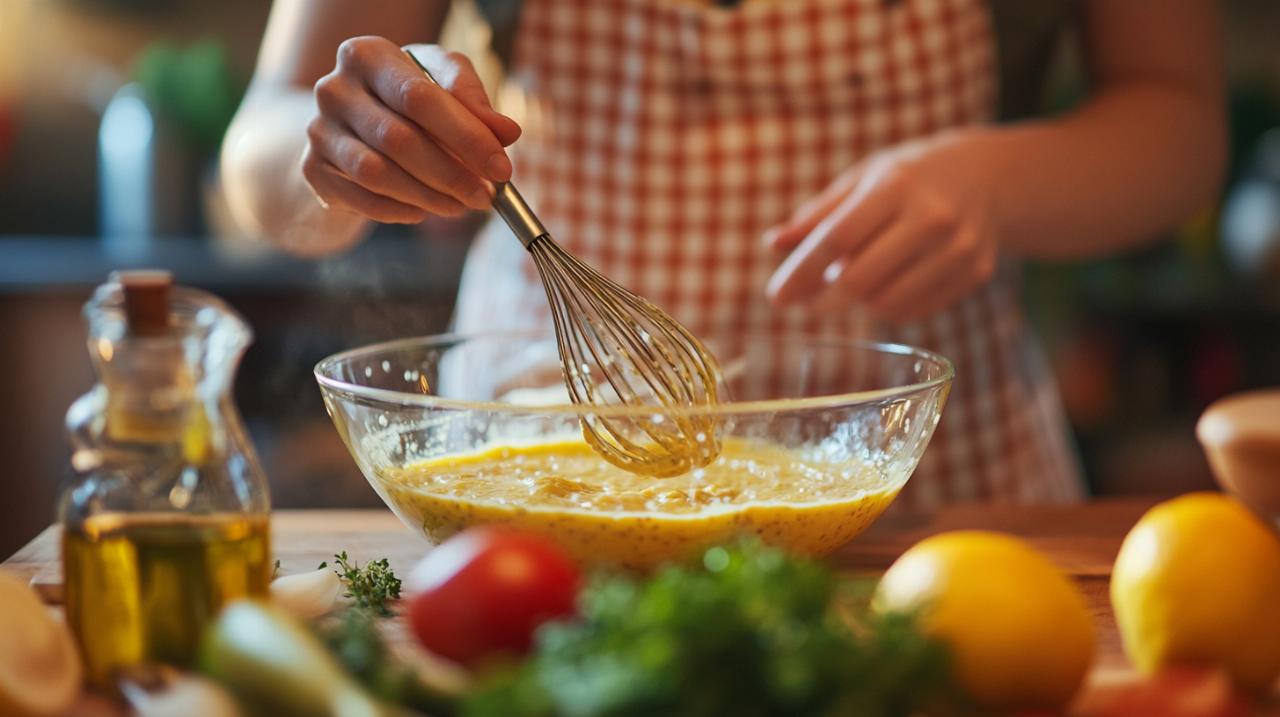
Success in creating emulsions depends not merely on understanding the theory but on executing precise techniques with care and attention. The physical process of bringing together reluctant ingredients demands both patience and consistency, as rushing through the steps often leads to disappointing results. Many enthusiastic home cooks experience initial failures, but these setbacks serve as valuable learning opportunities that refine your touch and timing. Having the proper equipment at hand makes an enormous difference, with simple tools like jars for shaking, blenders for speed, and whisks for control each playing specific roles depending on the emulsion type you are creating. It may take several attempts to develop the feel for proper technique, so maintaining realistic expectations and perhaps keeping a store-bought version as backup ensures you are never left without a suitable sauce when entertaining.
Proper whisking methods and speed control
The mechanical action of whisking serves as the driving force that breaks oil into tiny droplets and disperses them throughout the water phase. Vigorous, consistent whisking creates the turbulence necessary to overcome surface tension and achieve initial mixing, but the speed and intensity must be carefully calibrated to the specific emulsion you are creating. For delicate preparations like hollandaise, excessive speed can introduce too much air or generate heat through friction, potentially causing the sauce to break. Conversely, insufficient whisking energy leaves oil droplets too large and unstable, leading to rapid separation. The ideal approach involves establishing a steady, rhythmic motion that thoroughly incorporates each addition without creating destructive force. When using a whisk by hand, positioning your bowl on a damp towel prevents slipping and allows you to focus entirely on maintaining consistent speed. Electric mixers and blenders offer speed advantages but require careful monitoring to avoid overworking the mixture, which can sometimes reverse the emulsion or create an unpleasantly aerated texture.
The art of gradual liquid introduction
Perhaps the most critical factor separating success from failure lies in how slowly and steadily you introduce the oil phase into the water and emulsifier mixture. Adding oil too quickly ranks among the most common mistakes, overwhelming the emulsifier's capacity to stabilise new droplets before they have a chance to properly disperse. The classic technique involves adding oil in an almost imperceptible drizzle, literally drop by drop at the beginning, whilst maintaining constant whisking motion. This painstaking approach allows each tiny amount of oil to be thoroughly broken down and coated with emulsifier before more is introduced. As the emulsion begins to thicken and stabilise, you can gradually increase the flow rate, but patience during those initial moments proves essential. Temperature control also plays a vital role, particularly with semi-permanent emulsions that rely on gentle heat. Overheating causes proteins to coagulate or fats to separate, instantly breaking the careful balance you have worked to establish. Following recipes with precision, measuring ingredients accurately, and resisting the temptation to rush ensures that your efforts result in beautifully smooth, stable sauces that showcase your growing mastery of this fundamental culinary technique.