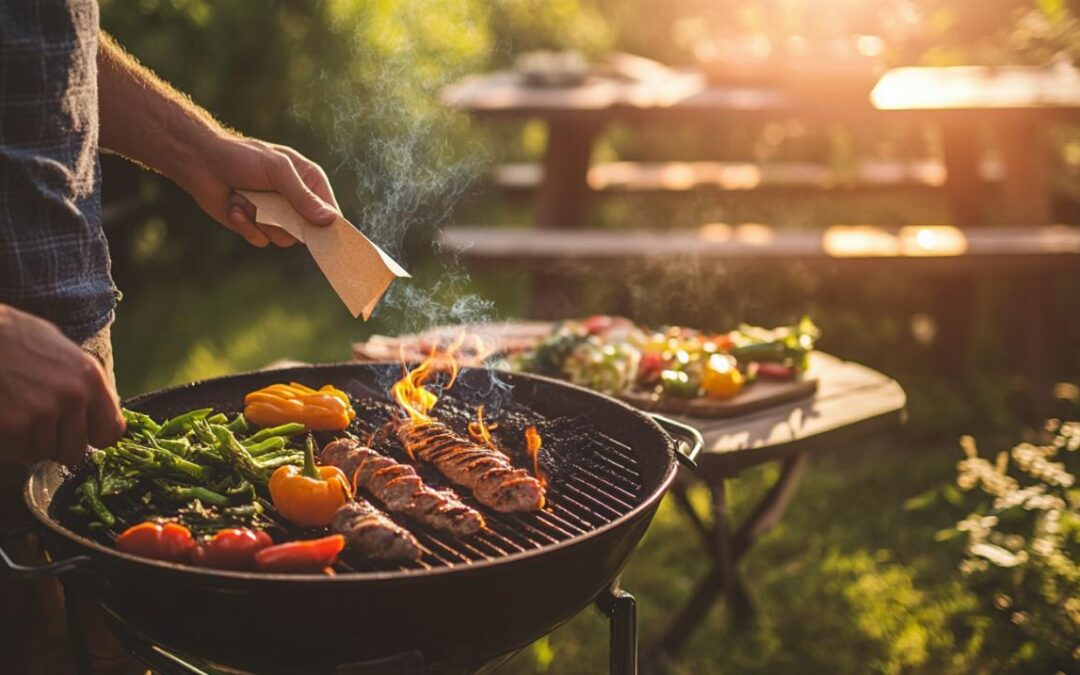
The warm months bring with them the irresistible allure of outdoor cooking, yet many enthusiasts find themselves questioning whether traditional firelighters represent the best approach for igniting their charcoal grills. Concerns about chemical exposure, environmental impact, and the subtle flavours imparted by conventional lighting methods have prompted a growing number of barbecue lovers to explore alternatives that align with both culinary excellence and sustainable practices. Fortunately, a wealth of ingenious techniques exists that can transform your outdoor cooking experience whilst reducing reliance on shop-bought products laden with questionable additives.
Natural alternatives for igniting your charcoal barbecue
The chimney starter method: a brilliant solution for eco-conscious grillers
Among the most effective innovations in charcoal lighting methods stands the chimney starter, a cylindrical metal device that harnesses the power of natural convection to create a roaring fire without a single drop of chemical fluid. This remarkable tool operates by placing crumpled newspaper or other combustible material in the compartment beneath the main chamber, which holds your charcoal. Once ignited, the rising heat creates a powerful updraft that spreads flames evenly throughout the coals, typically achieving cooking temperature within twenty to thirty minutes. The beauty of this approach lies in its simplicity and reliability, producing a larger and quicker fire than most alternative methods whilst keeping harmful substances far from your food. For those without a purpose-built chimney, a modified metal can or even a sturdy paper carton can serve as a homemade version, demonstrating that innovation need not come with a hefty price tag.
Newspaper and Kindling: Old-Fashioned Techniques That Still Work a Treat
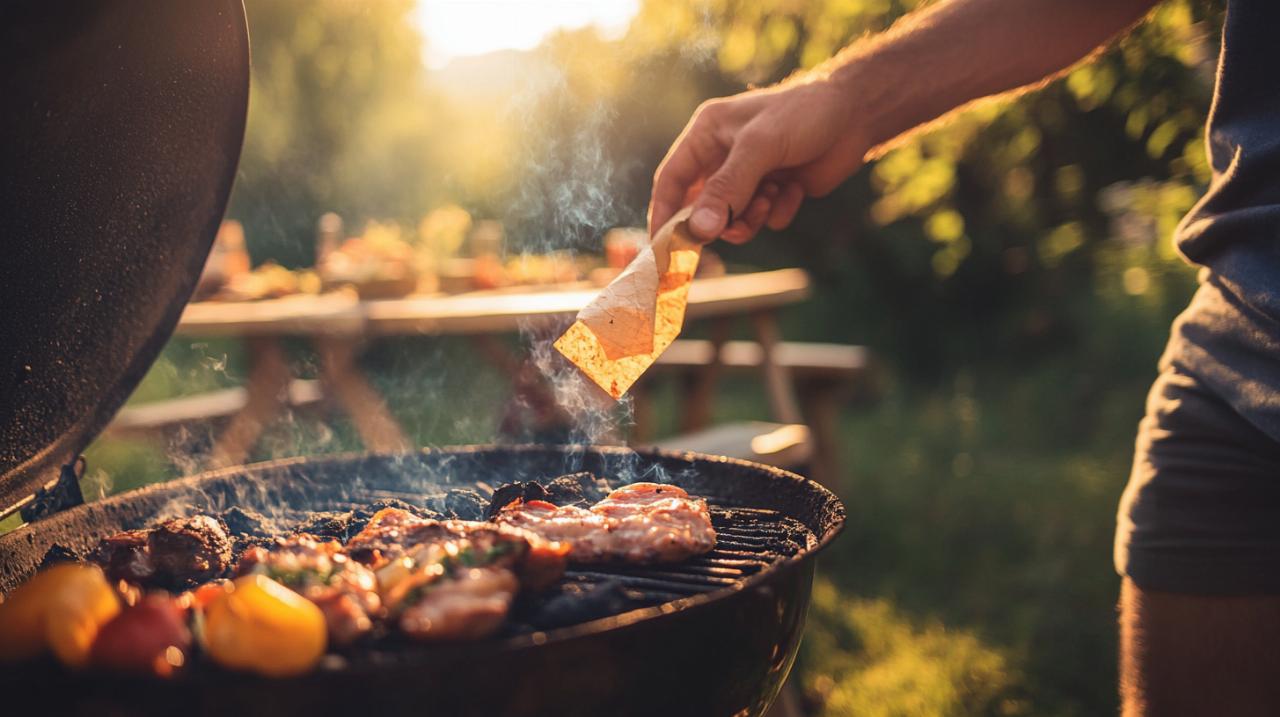
Long before commercial products dominated the market, generations of outdoor cooks relied upon readily available materials to coax their coals to life. Newspaper remains one of the most accessible options, particularly when enhanced with a light coating of cooking oil to extend its burn time and increase heat output. The technique involves scrunching several sheets into loose balls and positioning them strategically beneath your charcoal arrangement, creating pockets of air that feed the flames as they develop. This method works especially well when combined with small pieces of kindling or dry twigs, which bridge the gap between the initial paper flame and the sustained heat required to ignite larger chunks of charcoal. Those fortunate enough to have access to pine cones will find them particularly valuable, as their resinous composition makes them excellent natural fire starters that burn hot and long enough to transfer heat effectively to surrounding coals.
Household items that make excellent firelighter substitutes
Cooking Oil and Kitchen Roll: Clever Uses for Everyday Materials
Your kitchen cupboards harbour surprisingly effective resources for BBQ without firelighters, with cooking oil and paper towels forming a partnership that rivals many commercial products. The process requires soaking several paper towels in approximately one-third of a cup of olive oil or any cooking oil you have to hand, creating fuel-rich bundles that ignite easily yet burn steadily for sufficient duration to kindle your charcoal. This approach offers particular advantages for those seeking chemical-free lighting options, as it relies upon materials already present in most households and produces no synthetic fumes that might compromise the taste of your carefully prepared food. Similarly, cotton balls soaked in rubbing alcohol provide another household solution, though users must exercise appropriate caution when handling flammable liquids and ensure proper ventilation throughout the lighting process.
Wine Corks and Cardboard Egg Boxes: Unexpected Champions for Getting Your Coals Going
The creative barbecue enthusiast will discover that items destined for the recycling bin can enjoy a second life as effective fire-starting materials. Wine corks, composed of natural cork material, burn slowly and produce substantial heat, making them ideal for placement beneath charcoal arrangements where their sustained combustion can gradually raise coal temperatures to ignition point. Cardboard egg boxes serve a similar function, with their segmented structure allowing you to create individual fire-starting compartments that can be lit sequentially or simultaneously depending upon your needs. For those with access to wooden packaging, even a broken tomato crate can provide enough kindling material to establish a robust fire base, demonstrating that sustainable solutions often emerge from rethinking the potential of everyday objects rather than purchasing specialised products.
Safe and Efficient Techniques for Chemical-Free BBQ Lighting
Proper Airflow and Coal Arrangement: The Foundation of Successful Ignition
Regardless of which alternative fire starters you choose, success ultimately depends upon understanding the fundamental principles of combustion and applying them thoughtfully to your charcoal barbecue setup. Adequate airflow represents perhaps the single most critical factor, as even the most potent ignition source will falter without sufficient oxygen to sustain the flames. Arranging your coals in a pyramid or mound configuration creates natural channels through which air can circulate, whilst ensuring that heat from initial flames can spread efficiently to neighbouring pieces. The temptation to pack charcoal tightly must be resisted, as this restricts oxygen flow and can result in smouldering rather than the vigorous burning required for proper cooking temperatures. Opening vents on your barbecue fully during the lighting phase maximises airflow, accelerating the transition from tentative flames to the robust heat that signals readiness for culinary adventures.
Timing and Temperature Management: Knowing When Your Barbecue is Ready for Cooking
Patience emerges as an essential virtue when employing natural lighting materials, as these methods typically require thirty minutes or more to bring your barbecue to optimal cooking temperature. Visual cues provide reliable indicators of readiness, with coals transitioning from black to grey as they develop the consistent heat distribution necessary for even cooking. A light coating of white ash signals that your charcoal has reached the steady, sustained temperature ideal for most grilling applications, though different dishes may require adjustments to coal quantity or arrangement. When your cooking session concludes, proper extinguishing techniques ensure safety and allow for potential charcoal reuse, with spreading coals thinly and smothering them with ash or a controlled application of water representing the most effective approaches. These sustainable practices not only eliminate dependence on chemical-laden products but also reconnect modern cooks with time-tested techniques that have served outdoor cooking enthusiasts splendidly for generations, proving that sometimes the most effective solutions are those that have stood the test of time.