
by cafe-eilat | Apr 22, 2026 | Recipes
Blinis have long been cherished as a delightful addition to any gathering, whether you are hosting an intimate afternoon tea or a lavish winter celebration. These miniature Russian pancakes, with their delicate texture and nutty undertones, offer a versatile canvas for an array of toppings ranging from the luxurious caviar to the more approachable smoked salmon. The question of whether to serve them hot or cold is one that sparks lively discussion among culinary enthusiasts, and the answer often depends on the occasion, the toppings you choose, and the experience you wish to create for your guests.
The Great Blini Temperature Debate: Warm, Cold, or Somewhere in Between?
When it comes to serving blinis, the temperature at which they reach the table can significantly influence the overall dining experience. Traditionally, in Russian cuisine, blinis are often enjoyed warm, fresh from the pan, which allows the butter to melt into the batter and the flavours to bloom. This method highlights the soft, pillowy interior and the slightly crisp edges that make these pancakes so irresistible. However, modern adaptations have shown that blinis can be equally delightful when served at room temperature or even chilled, particularly when paired with certain toppings that benefit from a cooler base.
Traditional russian serving methods and their modern adaptations
In Russia, blinis have been a staple of festive occasions for centuries, often appearing during the winter solstice and other seasonal celebrations. The traditional approach involves serving them immediately after cooking, ensuring they remain warm and inviting. This method works particularly well when blinis are topped with rich ingredients such as soured cream, fish eggs, or smoked fish, as the warmth enhances the aromatic qualities of these accompaniments. Over time, however, cooks have discovered that allowing blinis to cool slightly can also be advantageous, especially when preparing them in advance for a party spread. Many recipes now suggest that blinis can be made ahead of time, frozen, and then reheated gently in the oven or even served cold, depending on the chosen toppings and the desired presentation.
How temperature affects texture, flavour, and your toppings
The temperature of blinis plays a crucial role in how they interact with their toppings. When served warm, the gentle heat can soften cream cheese, melt butter, and release the fragrant oils in fresh dill or other herbs, creating a harmonious blend of flavours. Conversely, serving blinis cold or at room temperature can provide a refreshing contrast, particularly when topped with chilled smoked salmon, tangy cream, or a vibrant beetroot puree. The texture also shifts with temperature; warm blinis tend to be softer and more yielding, while cooled blinis offer a firmer bite that can stand up to heavier or more substantial toppings. Ultimately, the decision hinges on the balance you wish to achieve between the pancake and its adornments.
Mastering the Perfect Blini Recipe: From Dough to Plate
Creating blinis that are both authentic and delicious requires attention to detail, from selecting the right ingredients to mastering the cooking technique. The beauty of blinis lies in their simplicity, yet achieving the perfect balance of lightness and flavour demands a thoughtful approach. Whether you opt for buckwheat flour for a traditional nutty taste or plain flour for a milder version, the process remains accessible to home cooks of all skill levels.

Essential Ingredients: Flour, Yeast, Eggs, Milk, and Butter for Authentic Results
The foundation of any blini recipe rests on a few key ingredients, each contributing to the final texture and taste. Buckwheat flour is the traditional choice, lending a distinctive, earthy flavour that pairs beautifully with savoury toppings such as caviar or smoked salmon. However, a combination of buckwheat and strong white flour can provide a lighter crumb while still retaining that characteristic nuttiness. Yeast is essential for the rise and airy quality of the batter, with many recipes calling for instant yeast to simplify the process. Eggs add richness and structure, while milk provides moisture and helps create a smooth batter. A pinch of salt enhances the overall flavour, and butter, both in the batter and for frying, ensures a golden finish and a tender bite. Some variations include soured cream, which adds a subtle tang and extra richness, making the blinis even more indulgent.
Cooking Techniques and Timing: Pan Methods for Mini and Traditional Blinis
Once the batter is prepared, the cooking process is where the magic truly happens. The mixture should be allowed to rest for at least an hour, during which time the yeast activates and the batter becomes bubbly and fragrant. This resting period is crucial for developing the light, airy texture that defines a perfect blini. When ready to cook, heat a blini pan or a non-stick frying pan over medium heat and add a small knob of butter. Spoon small amounts of batter into the pan, creating rounds that are roughly the size of a dessert spoon for mini blinis or slightly larger for traditional versions. Each blini should take just a few minutes to cook, with bubbles forming on the surface before you flip them to achieve a golden brown finish. The key is to maintain a consistent temperature, ensuring the blinis cook evenly without burning. Once cooked, they can be kept warm in a low oven or allowed to cool completely before being stored for later use.
Creating an Impressive Blini Party Spread: Toppings and Presentation
A blini party spread is an opportunity to showcase creativity and indulge in a variety of flavours and textures. The versatility of blinis means they can be dressed up for formal occasions or kept simple for casual gatherings, making them an ideal choice for aperitifs or as part of a larger menu.
Classic pairings: caviar, smoked salmon, cream, and cheese combinations
Among the most celebrated toppings for blinis are those that draw on Russian tradition and the bounty of the sea. Caviar, with its delicate brine and luxurious texture, is perhaps the most iconic pairing, often accompanied by a dollop of soured cream and a scattering of fresh dill. Smoked salmon offers a more accessible yet equally elegant option, its rich, smoky flavour complementing the subtle sweetness of the pancake. A dill crème fraîche made from crème fraîche or sour cream, cream cheese, fresh dill, and a squeeze of lemon juice adds a tangy brightness that cuts through the richness of the fish. For those who prefer a lighter touch, a simple topping of cream and cheese, perhaps with a hint of horseradish, can be equally delightful. The beauty of these classic combinations lies in their simplicity, allowing the quality of each ingredient to shine.
Serving Suggestions for Every Occasion: From Aperitifs to Winter Holiday Celebrations
Blinis are remarkably adaptable, making them suitable for a wide range of occasions. As an aperitif, they can be served warm with a selection of toppings arranged on a platter, inviting guests to create their own combinations. For a winter holiday celebration, a more elaborate presentation might include slices of smoked salmon, bowls of soured cream, and small dishes of caviar, all artfully displayed alongside the blinis. During the festive season, the addition of seasonal garnishes such as sprigs of fresh dill or a drizzle of beetroot puree can add a splash of colour and a touch of elegance. Blinis can also be frozen and reheated, making them a practical choice for entertaining, as they can be prepared well in advance and simply warmed through before serving. Whether you choose to serve them hot, cold, or at room temperature, the key is to ensure that the toppings are fresh and the presentation is inviting, creating a memorable experience for all who gather around your table.
by cafe-eilat | Apr 22, 2026 | Equipment
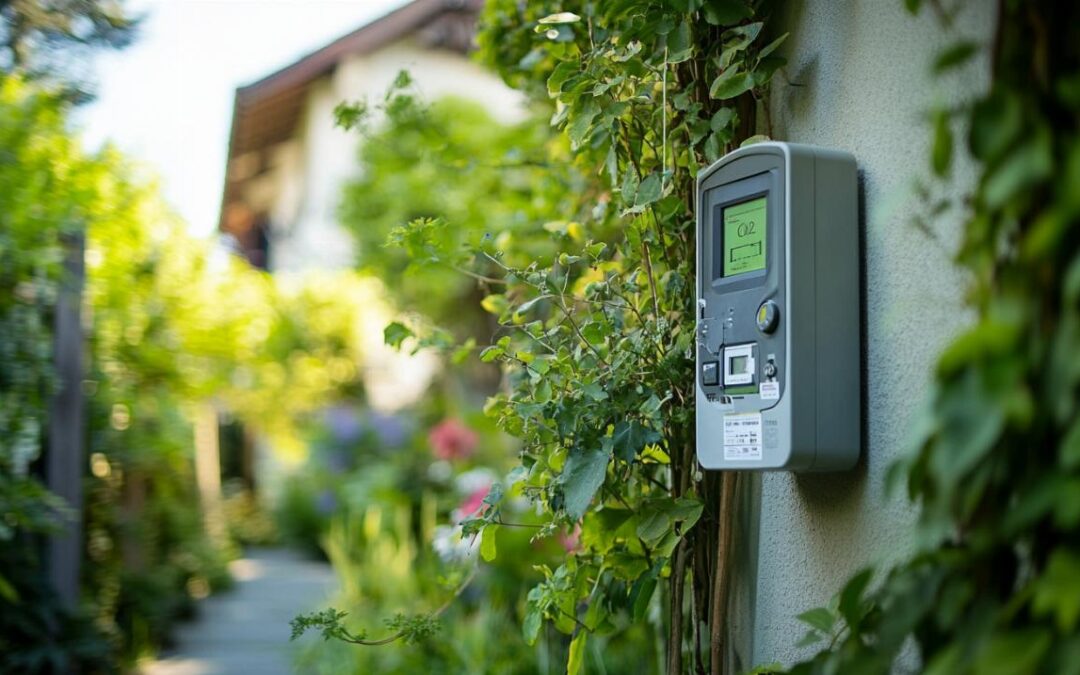
The transition to smart electricity metres represents a significant shift in how British households monitor and manage their energy consumption. While many installations take place indoors, outdoor placements bring a unique set of technical challenges that require careful planning and execution. Understanding the specific requirements for external installations ensures that these sophisticated devices operate reliably whilst withstanding the vagaries of our unpredictable climate and remaining accessible for maintenance throughout their operational lifespan.
Selecting the optimal installation location
Choosing where to position a smart electricity metre outdoors demands thoughtful consideration of multiple factors that balance practical accessibility with environmental protection. The location must facilitate straightforward access for both routine maintenance and emergency interventions, yet provide adequate shelter from the elements that characterise British weather patterns. Early consultation with your energy supplier during the planning phase can prevent costly modifications later, particularly when integrating metre installations into new building designs or significant renovations.
Accessibility requirements for readings and routine maintenance
Even though smart meters transmit data automatically to energy suppliers, physical access remains essential for various operational needs. Positioning the metre between half a metre and one point eight metres above ground level ensures that trained professionals can conduct inspections, perform upgrades, or address technical issues without requiring specialist access equipment. The installation space should provide a minimum clearance of four hundred and five millimetres squared, allowing technicians to work comfortably whilst adhering to professional standards. Furthermore, the selected location should be reachable without necessitating entry into private garden areas or navigating complex security arrangements, as meter operators may need to attend during business hours when homeowners are absent. The ciervomodular.es website offers insights into modular construction approaches that can incorporate these accessibility considerations seamlessly into building design from the outset, ensuring compliance with regulations whilst maintaining aesthetic appeal.
Environmental protection from British weather conditions
Our island climate subjects outdoor equipment to considerable environmental stress throughout the year, from driving rain and persistent drizzle to occasional snow and temperature swings between freezing winters and surprisingly warm summer days. The metre location should offer natural protection from prevailing winds and direct precipitation wherever possible, perhaps beneath an overhanging eave or within a recessed alcove. Whilst purpose-built metre boxes provide essential shielding, the underlying wall surface itself must be structurally sound and preferably fire-resistant, capable of supporting the installation without movement that could compromise sealing integrity or create dangerous electrical conditions. Avoiding positions with direct southern exposure helps moderate temperature extremes that might otherwise affect the sensitive electronics within smart metres, whilst ensuring the device remains shielded from the harshest manifestations of our weather patterns.
Weatherproofing and environmental protection measures
Effective weatherproofing extends beyond simply mounting a metre box and hoping for the best. The installation must incorporate multiple layers of protection that work together to exclude moisture, regulate temperature, and prevent the ingress of airborne contaminants that could degrade electrical connections or compromise the communications hub functionality over time.
Sealing techniques for rain and snow protection
The primary defence against water penetration involves high-quality sealing compounds applied at every junction where different materials meet. Cable entry points represent particular vulnerabilities, as conduits necessarily breach the protective enclosure to accommodate copper wires connecting the metre to your property's electrical system and the grid infrastructure. These penetrations require careful sealing with weatherproof grommets and appropriate sealants that remain flexible across temperature ranges, preventing the formation of capillary channels through which moisture might travel. The metre box itself should feature gaskets around access doors, creating compression seals when closed that resist wind-driven rain whilst permitting authorised access when required. Regular inspection of these seals forms part of routine maintenance, as ultraviolet exposure and thermal cycling gradually degrade even premium materials, potentially creating pathways for water ingress that could lead to corrosion or electrical faults.
Managing temperature fluctuations and moisture ingress
British weather rarely maintains steady conditions for extended periods, with temperature variations between day and night, or across passing weather fronts, creating condensation risks within enclosed spaces. Smart metres contain sophisticated electronics sensitive to moisture, making humidity control crucial for reliable operation. Adequate ventilation allows air circulation that dissipates condensation before it accumulates, whilst drainage provisions at the base of enclosures permit any water that does enter to escape rather than pooling around electrical components. Positioning metres away from areas prone to localised moisture accumulation, such as locations where roof runoff concentrates or ground-level installations in depression-prone terrain, reduces the likelihood of water-related failures. Thermal management also influences metre longevity, as excessive heat accelerates component degradation whilst freezing conditions can affect display functionality and communication capabilities. Selecting locations with natural thermal moderation, perhaps on north-facing walls that avoid intense summer sun whilst benefiting from residual building warmth during winter, contributes to stable operating conditions year-round.
Security and anti-tamper provisions
External installations face security challenges uncommon with indoor placements, ranging from casual vandalism to deliberate attempts at electricity theft through metre bypass or manipulation. Robust physical security measures deter opportunistic interference whilst sophisticated tamper detection systems alert energy suppliers to unauthorised access attempts, protecting both the distribution infrastructure and honest customers from the costs associated with energy diversion.
Physical security features to prevent vandalism
Metre boxes designed for outdoor use typically incorporate reinforced construction with tamper-resistant fasteners that require specialist tools to remove, making casual interference considerably more difficult. Positioning metres in locations with natural surveillance, visible from nearby windows or passing foot traffic, discourages vandalism through the increased risk of observation and identification. Some installations benefit from additional protective measures such as anti-climb paint on supporting structures or defensive planting that creates a natural barrier without completely obscuring access for legitimate purposes. The balance between security and accessibility requires careful judgement, as overly restrictive protective measures might impede emergency access or routine maintenance, potentially creating safety hazards that outweigh the security benefits.
Protection against electricity theft and unauthorised access
Modern smart meters incorporate numerous anti-tampering features within their design, including seals that break if casings are opened and electronic monitoring that detects unusual consumption patterns or attempts to interfere with measurement accuracy. The communications hub regularly transmits data to the Data Communications Company, creating detailed usage records that highlight anomalies warranting investigation. Physical security complements these electronic safeguards, with lockable enclosures restricting access to authorised personnel carrying valid identification. During installation, trained professionals ensure that all security features activate correctly, testing tamper detection systems and verifying that seal integrity meets professional standards before completing the commissioning process. Property owners should promptly report any damage to metre installations or evidence of attempted interference to their energy supplier, as swift action can prevent minor security breaches from escalating into significant safety hazards or enabling ongoing electricity theft that ultimately increases costs for all consumers.
Earthing, bonding and electrical safety protocols
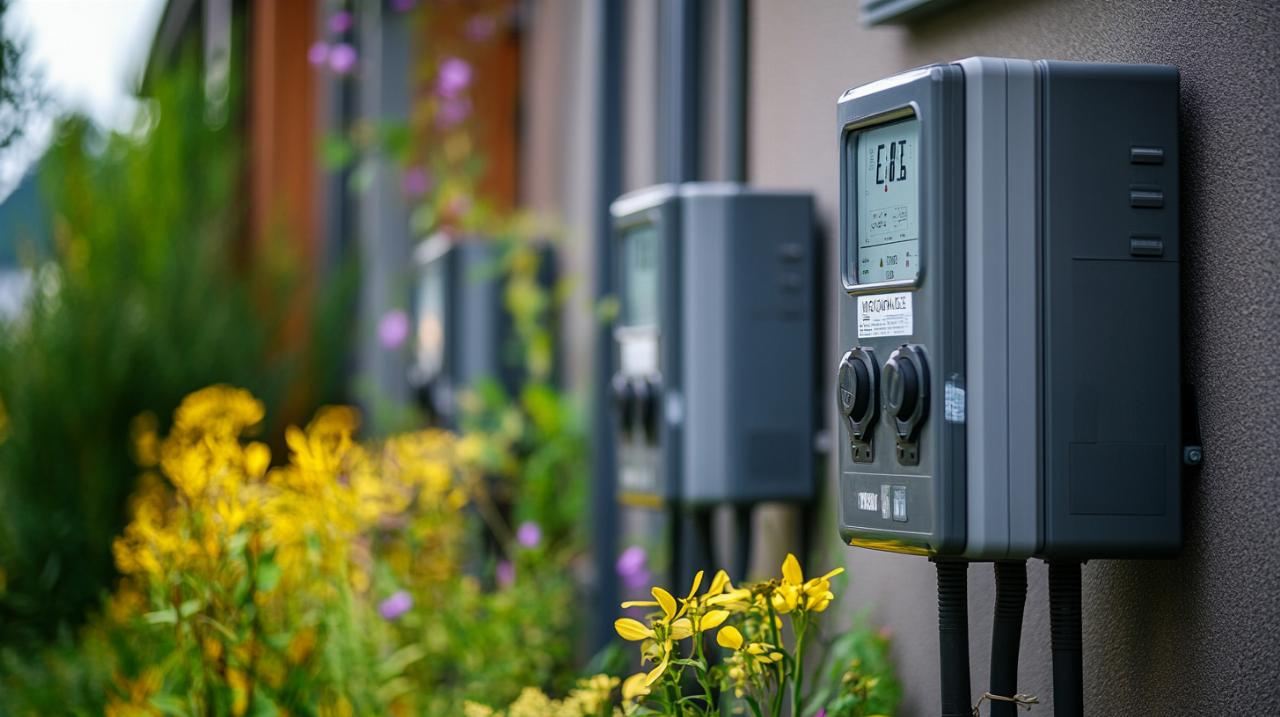
Electrical safety assumes paramount importance in outdoor installations where moisture, physical damage risks, and environmental exposure create additional hazards beyond those present in controlled indoor environments. Proper earthing and bonding practices form the foundation of safe operation, protecting both the installation itself and anyone who might come into contact with the equipment during normal use or fault conditions.
Proper earthing requirements for outdoor installations
All metallic components of an outdoor metre installation must connect to the property's earth system, creating a low-resistance path that safely diverts fault currents should insulation failures or other defects occur. The earth connection provides protection against electric shock by ensuring that protective devices such as circuit breakers or residual current devices activate rapidly when dangerous conditions develop. Qualified installers verify earth continuity and resistance values during commissioning, using specialised test equipment to confirm that protective measures meet the stringent requirements specified in British Standards. Corrosion presents a particular concern for earthing systems in outdoor environments, as oxidation of connections increases resistance over time, potentially degrading protection levels. Using corrosion-resistant materials for earth clamps and bonding conductors, combined with periodic inspection and testing, maintains the integrity of protective earthing throughout the installation's operational life.
Preventing electrical interference through correct bonding
Beyond safety considerations, proper bonding practices also contribute to reliable metre operation by minimising electrical interference that could disrupt the communications hub or affect measurement accuracy. Bonding creates equipotential zones that prevent voltage differences developing between metallic components, reducing the potential for electrical noise that might interfere with sensitive electronics. The copper wires connecting metres to distribution networks require secure termination with appropriately tightened connections, as loose fixings create high-resistance joints that generate heat and potentially spark, presenting fire risks particularly in enclosed spaces. Following the wiring diagrams provided with smart metres ensures correct connection sequencing, whilst attention to conductor routing minimises interference from electromagnetic fields associated with high current flows. Only qualified electricians or authorised metre operators should perform installation work, as errors in earthing or bonding practices can create latent hazards that may not become apparent until fault conditions arise, potentially with catastrophic consequences.
Communication infrastructure and signal optimisation
Smart metres depend upon reliable wireless communication to transmit consumption data to energy suppliers and receive remote commands for tariff updates or diagnostic procedures. External installations often benefit from reduced signal attenuation compared with metres buried deep within building structures, yet environmental factors and physical obstructions still significantly influence communication reliability and data transfer success rates.
Assessing signal strength for remote metre readings
Before finalising an installation location, assessing the available signal strength from the DCC network infrastructure helps identify potential communication challenges that might impair metre functionality. Energy suppliers can often provide preliminary signal surveys based on postcode data and network coverage maps, though site-specific factors such as local topography, nearby structures, and vegetation density influence actual performance. The communications hub within smart metre installations requires adequate signal clearance to function reliably, with specifications typically recommending minimum separation distances from large metal objects that might shield or reflect radio frequency transmissions. Positioning metres with clear lines of sight towards known network masts or repeater stations improves communication reliability, reducing the likelihood of transmission failures that might necessitate manual metre readings or impair the remote services that constitute much of the value proposition for smart metre rollout.
Mitigating obstructions affecting data transmission
Metal objects larger than thirty-two centimetres positioned within eighteen centimetres of the communications hub can significantly degrade signal quality, creating shadow zones or reflection patterns that interfere with reliable data transmission. During installation planning, identifying and relocating such obstructions, or alternatively repositioning the metre to maintain adequate clearance, prevents communication issues that might otherwise prove difficult to diagnose and rectify after installation completion. Building elements such as metal-clad walls, reinforced concrete structures with dense rebar matrices, or metal rainwater systems positioned immediately adjacent to metres can all impair wireless performance. Where unavoidable obstructions exist, energy suppliers may recommend signal amplification devices or alternative communication pathways, though these solutions typically add complexity and cost compared with careful initial positioning that naturally optimises signal propagation. Trees and substantial vegetation can also attenuate radio signals, particularly when foliage moisture content is high, suggesting that metre locations should account for mature plant sizes rather than optimising only for current conditions that may change as landscaping develops over subsequent years.
Regulatory compliance and British Standards adherence
Smart metre installations must satisfy numerous regulatory requirements and technical standards that collectively ensure safety, interoperability, and consumer protection. These obligations apply regardless of whether metres are positioned indoors or externally, though outdoor installations face additional considerations related to environmental protection and physical security that influence how standards are practically implemented.
Meeting mandatory installation regulations and standards
All metre installations in UK homes must comply with safety regulations overseen by Ofgem, the energy market regulator responsible for protecting consumer interests and maintaining system reliability. These regulations specify technical requirements for equipment selection, installation practices, and ongoing maintenance obligations that energy suppliers and metre operators must satisfy. British Standards provide detailed technical specifications covering aspects such as electrical safety, environmental protection ratings for enclosures, and communication protocol compatibility that ensures different manufacturers' equipment operates cohesively within the smart grid infrastructure. Installations must use metres certified for outdoor use where applicable, with appropriate ingress protection ratings that confirm resistance to dust and water penetration suitable for external environments. The installation process itself requires documentation demonstrating compliance with safety protocols, including earth continuity verification, insulation resistance testing, and functional checks confirming that the metre accurately measures consumption and successfully communicates with network infrastructure before being placed into service.
Certification requirements for outdoor smart metre installations
Qualified installers must hold formal qualifications demonstrating competence in both electrical installation practices and the specific requirements of smart metering technology. These credentials ensure that individuals performing installation work possess the knowledge and skills necessary to work safely and produce installations meeting professional standards. Upon completion, installations receive certification documenting compliance with applicable regulations and standards, creating an audit trail that protects consumers and provides energy suppliers with confidence that their infrastructure meets legal obligations. Property handover procedures for new buildings should include verification that all metres operate in smart mode, with communications hub functionality confirmed and in-home displays properly configured to provide real-time data on energy usage. This commissioning process prevents situations where metres are physically installed but not fully activated, denying occupants the energy monitoring capabilities and billing accuracy that constitute primary benefits of smart metre technology. Avoiding appointment cancellations during the rollout phase helps reduce carbon emissions associated with unnecessary travel, whilst clearing space around existing metres before scheduled installation visits allows work to proceed efficiently, minimising the duration of power cuts required whilst replacing equipment.
Ventilation and thermal management
Smart metres generate modest amounts of heat during operation and contain electronic components sensitive to temperature extremes. Adequate thermal management ensures reliable performance across the full range of environmental conditions encountered in British outdoor locations, from sub-zero winter nights to warm summer afternoons when enclosed spaces can reach surprisingly high temperatures.
Adequate airflow to prevent equipment overheating
Ventilation openings in metre enclosures must balance the need for heat dissipation against the requirement to exclude precipitation and airborne contaminants. Positioning vents at appropriate locations within the enclosure creates convective airflow patterns that draw cooler air in whilst exhausting warmer air, maintaining internal temperatures within acceptable operating ranges. These ventilation paths require design consideration to prevent rain entry during typical weather conditions, often incorporating baffles or tortuous paths that permit air movement whilst blocking direct water ingress. The volume of the enclosure influences thermal performance, with larger internal spaces providing thermal buffering that moderates temperature fluctuations compared with installations where metres fit tightly within minimal enclosures. Keeping metres away from sources of external heat, such as heating system flues or surfaces that receive prolonged solar exposure, prevents localised hot spots that might trigger thermal protection systems or accelerate component degradation.
Ventilation design considerations for enclosed housings
Purpose-designed metre boxes incorporate ventilation features developed through testing across representative environmental conditions, though site-specific factors can still influence thermal performance. Avoiding locations where ventilation openings might become blocked by vegetation growth, windblown debris accumulation, or other obstructions maintains the effectiveness of designed airflow patterns throughout the installation's operational life. In particularly challenging thermal environments, additional measures such as reflective coatings on enclosure exteriors or supplementary shading structures can help moderate internal temperatures, though these interventions should receive energy supplier approval to ensure compatibility with access requirements and regulatory compliance. Regular maintenance inspections should include verification that ventilation paths remain clear and that no modifications to enclosures have compromised designed airflow characteristics, as even well-intentioned attempts to improve weather protection can inadvertently create thermal management problems that impair metre reliability and potentially shorten equipment lifespan through accelerated component degradation in overheating conditions.