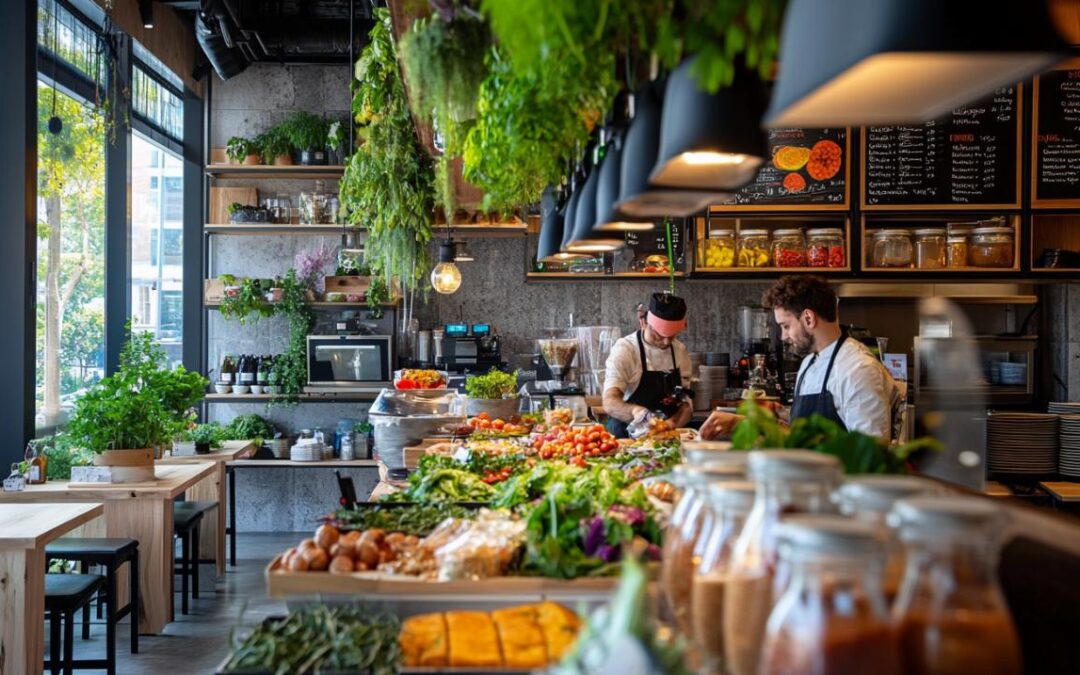
Opening a restaurant that caters to special dietary needs is no longer a niche pursuit but a thriving sector within the hospitality industry. With more customers seeking out establishments that understand their unique requirements, from those managing coeliac disease to individuals following a ketogenic lifestyle, the demand for thoughtful, health-conscious dining continues to grow. This guide explores how to develop a successful dietary restaurant, from conceptualising your brand to crafting gut-friendly recipes and navigating the practicalities of launching your venture.
Crafting Your Dietary Restaurant Concept: Understanding the Market and Your Niche
The first step in establishing a dietary restaurant is to thoroughly understand the market landscape and identify the specific niche you wish to serve. The spectrum of dietary requirements is broad, encompassing everything from gluten-free and dairy-free options to low-FODMAP menus and plant-based fare. Before committing to a concept, consider conducting market research within your local area to gauge demand. Are there already establishments catering to these needs, or is there a gap waiting to be filled? Understanding your competition and potential customer base will inform every decision you make, from menu design to pricing strategy.
Identifying your target audience: from coeliac to keto customers
Defining your target audience is crucial for shaping your restaurant's identity and menu offerings. Customers with coeliac disease, for instance, require absolute assurance that their meals are free from gluten contamination, whilst those following a ketogenic diet prioritise high-fat, low-carbohydrate dishes. Meanwhile, individuals focused on gut health may seek out meals rich in probiotics, prebiotic fibre, and plant polyphenols. Each group has distinct needs and expectations, so it is essential to decide whether you will specialise in one area or offer a diverse menu that accommodates multiple dietary preferences. By honing in on your primary audience, you can tailor your messaging, sourcing, and kitchen practices to meet their specific requirements with confidence and authenticity.
Developing a Unique Brand Identity for Your Dietary Establishment
Once you have identified your target market, the next challenge is to develop a brand identity that resonates with them. Your brand should communicate trust, expertise, and a genuine commitment to health and wellbeing. Consider the tone and style of your messaging: will your restaurant exude a clinical, science-backed approach, or will it lean towards a warm, homely atmosphere that emphasises comfort and inclusivity? Visual elements such as your logo, colour palette, and interior design should reflect your values and appeal to your intended clientele. Additionally, transparency is key in this sector. Clearly communicating your sourcing practices, preparation methods, and nutritional information can build trust and set you apart from competitors. A strong brand identity not only attracts customers but also fosters loyalty, turning first-time visitors into regular patrons.
Essential gut-friendly recipes to launch your dietary menu
A well-crafted menu is the heart of any successful restaurant, and when catering to dietary needs, the emphasis must be on both flavour and function. Gut-friendly recipes, in particular, have gained significant traction as awareness of the gut-brain connection and the importance of bacterial diversity continues to rise. By focusing on whole unprocessed foods, you can create dishes that are not only delicious but also support digestive health. Incorporating ingredients such as sweet potatoes, which are rich in fibre and beta-carotene, or tempeh and lentils for their protein and prebiotic benefits, can elevate your menu whilst meeting the nutritional needs of your customers. The key is to strike a balance between innovation and accessibility, ensuring that your dishes appeal to both the health-conscious diner and the casual visitor seeking a satisfying meal.
Plant-based and gluten-free starters that wow
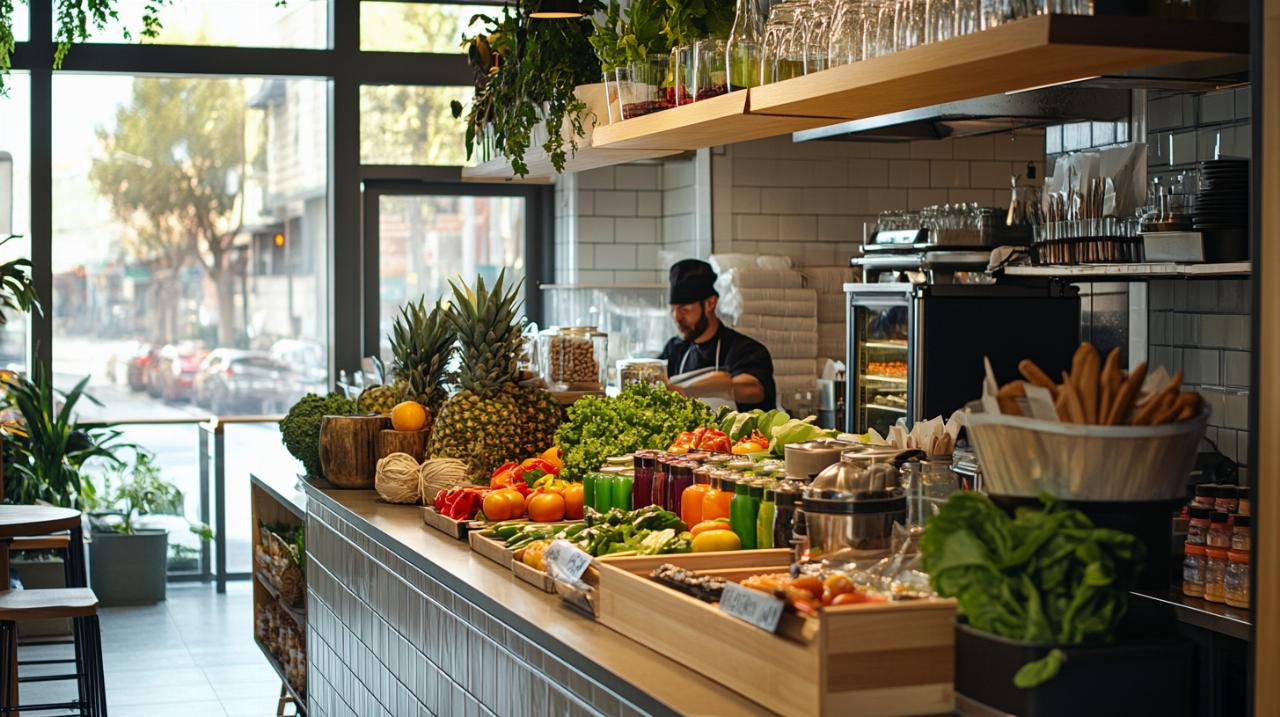
First impressions matter, and your starters set the tone for the entire dining experience. Plant-based and gluten-free options are increasingly popular, and they offer a wealth of creative possibilities. Consider a starter featuring cauliflower, which is not only high in fibre but also versatile enough to be roasted, pureed, or pickled. Pairing it with a drizzle of olive oil, which contains beneficial fatty acids and polyphenols, can add depth and richness. Another option might be a dish centred around fermented foods such as kimchi or miso, both of which are celebrated for their probiotic content. These ingredients not only support gut health but also bring bold, umami flavours that can intrigue and delight your guests. For a lighter touch, a salad incorporating walnuts, tomatoes, and garlic can provide a satisfying combination of textures and flavours whilst delivering antioxidants and prebiotic fibre. The goal is to create starters that are visually appealing, flavourful, and nutritionally robust, setting a high standard for the courses that follow.
Low-fodmap mains and allergen-conscious puddings
When it comes to main courses, offering low-FODMAP options can be a significant draw for customers managing irritable bowel syndrome or other digestive sensitivities. Dishes built around ingredients such as oats, which are rich in prebiotic fibre, or chickpeas, which provide both protein and fibre, can form the foundation of a satisfying and gut-friendly meal. For example, a hearty stew featuring lentils, sweet potatoes, and broccoli can deliver comfort and nutrition in equal measure, whilst a grilled salmon fillet paired with a side of sautéed cabbage offers a lighter yet equally nourishing alternative. Desserts, often overlooked in dietary menus, present an opportunity to showcase creativity and care. Puddings made with dates, which are naturally sweet and high in fibre, or yoghurt enriched with kefir for an extra probiotic boost, can round off a meal on a high note. For those avoiding gluten, experimenting with bran or oat-based bases can yield delicious results. By paying close attention to allergen concerns and clearly labelling your menu, you can provide peace of mind to your customers whilst demonstrating your commitment to inclusivity and quality.
Getting Your Dietary Restaurant Off the Ground: Practical Steps and Considerations
Turning your concept into a fully operational restaurant requires careful planning and attention to detail. Beyond the creative aspects of menu development and branding, there are numerous practical considerations that must be addressed. From sourcing ingredients to training staff and ensuring compliance with food safety regulations, each element plays a critical role in the success of your establishment. It is also worth noting that the dietary restaurant sector demands a higher level of vigilance and expertise compared to traditional dining venues, as the health and safety of your customers depend on your ability to deliver on your promises.
Sourcing quality ingredients and navigating supplier relationships
The quality of your ingredients is paramount, particularly when catering to customers with specific dietary needs. Establishing relationships with reliable suppliers who can provide certified gluten-free, organic, or allergen-free products is essential. When sourcing items such as tempeh, miso, or kimchi, for instance, it is important to verify that they meet the necessary standards and have been produced in facilities that minimise the risk of cross-contamination. Building strong relationships with local farmers and artisanal producers can also enhance your menu by providing fresh, seasonal ingredients that resonate with environmentally conscious diners. Additionally, transparency about your supply chain can serve as a powerful marketing tool, reinforcing your commitment to quality and ethical sourcing. Whilst navigating these relationships may require time and effort, the investment pays dividends in the form of a superior product and customer trust.
Staff training, cross-contamination prevention, and regulatory compliance
Even the most meticulously designed menu will fall short if your staff are not adequately trained to execute it. In a dietary restaurant, every member of your team must understand the importance of allergen management and cross-contamination prevention. This includes not only kitchen staff but also front-of-house personnel who interact directly with customers. Regular training sessions on topics such as safe food handling, ingredient recognition, and emergency response procedures can help ensure that everyone is equipped to meet the demands of the role. Additionally, implementing rigorous protocols for cleaning and storage can further reduce the risk of contamination. From a regulatory standpoint, compliance with food safety standards and allergen labelling laws is non-negotiable. Familiarise yourself with the requirements set out by local authorities and industry bodies, and consider seeking guidance from a food safety consultant if needed. By prioritising training and compliance, you can create a safe and welcoming environment for all your guests, regardless of their dietary restrictions.