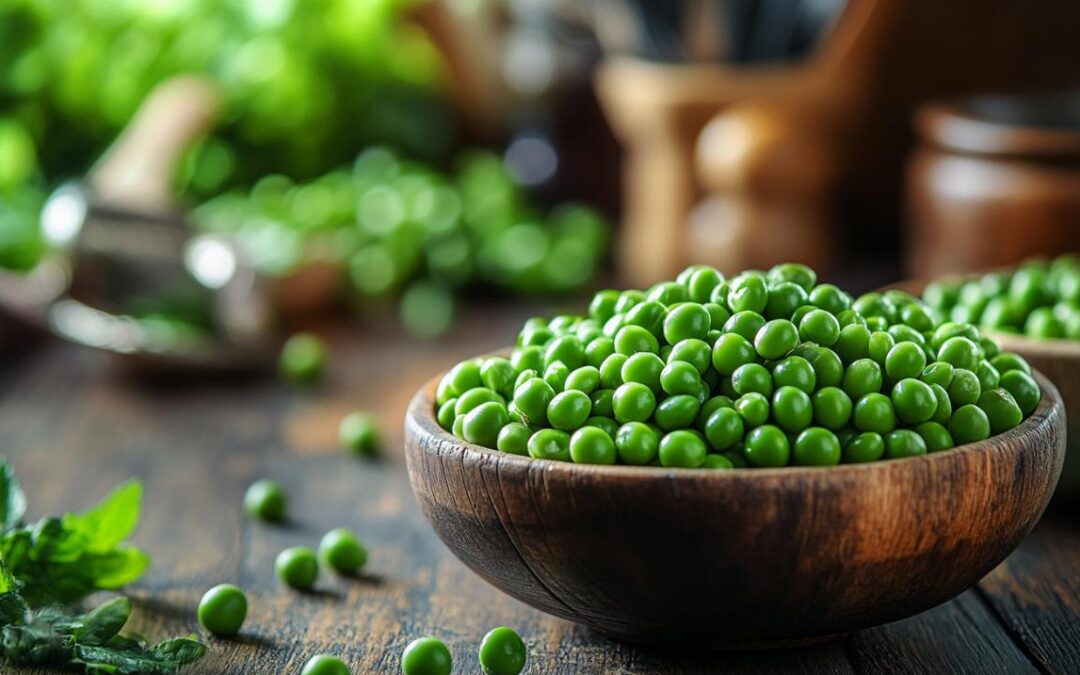
Peas have long been a staple of British cuisine, from the classic mushy peas served alongside fish and chips to the vibrant green spheres adorning Sunday roasts. Yet beyond their familiar presence on our plates, these tiny legumes are garnering attention from nutritional professionals and fitness enthusiasts alike. As more people explore plant-based diets and sustainable protein sources, the question arises: just how do peas measure up in the nutrition stakes, and can pea protein truly rival the longstanding champion of the supplement world, whey protein? This examination delves into the nutritional profile of peas, compares the merits of pea protein versus whey protein, and offers practical guidance on incorporating these versatile legumes into everyday eating.
The nutritional profile of peas: a comprehensive overview
Vitamins, Minerals, and Macronutrients in Peas
Peas are remarkably nutrient-dense, offering a rich array of vitamins and minerals that contribute to overall health and wellbeing. They serve as a brilliant source of key nutrients, particularly when cooked or incorporated into a dish, making them a sensible food choice for those seeking to enhance their daily intake of essential vitamins. Among the vitamins present in peas, you will find significant amounts of vitamin K, which plays a crucial role in blood clotting and bone health, as well as vitamin C, an antioxidant that bolsters the immune system and supports skin health. The presence of B vitamins, including folate, thiamine, and niacin, further underscores the value of peas in supporting energy metabolism and nervous system function.
In terms of minerals, peas are particularly noteworthy for their iron content, which is essential for the production of red blood cells and the prevention of anaemia. When considering pea protein powder, a single scoop of approximately thirty grams can provide a substantial portion of your daily iron requirements, making it an appealing option for those who follow plant-based diets and may struggle to obtain sufficient iron from other sources. Additionally, peas contain calcium, which supports bone health, and potassium, which helps regulate blood pressure and fluid balance. The fibre content in peas is another standout feature, aiding digestion and promoting a healthy gut by supporting the growth of beneficial bacteria. This fibre also contributes to a feeling of fullness, which can be particularly helpful for weight management and slimming diets.
The macronutrient composition of peas strikes a balance that makes them suitable for a variety of dietary patterns. They contain a moderate amount of carbohydrates, which provide energy, while remaining low in calories and fats. The protein content in peas is significant, making them a valuable addition to meals for those seeking to increase their protein intake without relying on animal products. This combination of proteins and fibre makes peas an appropriate choice, recommended by nutritional professionals, that can be incorporated into a daily diet to support both health and fitness goals.
Calorie content and glycemic index considerations
One of the appealing aspects of peas is their relatively low calorie content, which allows them to be enjoyed in generous portions without excessive energy intake. This characteristic makes them particularly suitable for individuals who are mindful of their calorie consumption, whether for weight management or general health. A serving of peas provides essential nutrients without the burden of high fat or sugar content, making them a sensible and wholesome addition to meals. The fact that they contain minimal fats and zero cholesterol further enhances their reputation as a heart-healthy food.
When it comes to carbohydrates, peas do contain a notable amount, but their impact on blood sugar levels is relatively moderate. Unlike some other foods that cause rapid spikes in blood glucose, peas have reasonable glycemic index values, which means they release energy more slowly and steadily. This slower release helps maintain stable blood sugar levels, reducing the risk of energy crashes and supporting sustained energy throughout the day. For individuals with diabetes or those aiming to manage their blood sugar levels, peas can be a valuable component of a balanced diet. The presence of fibre in peas also contributes to this beneficial effect, as fibre slows the absorption of sugars and helps regulate the glycemic response.
The nutritional profile of peas, combined with their low calorie density and moderate glycemic index, makes them an excellent choice for a wide range of dietary needs. Whether you are looking to support weight loss, maintain steady energy levels, or simply enjoy a nutritious and satisfying food, peas offer a versatile and beneficial option. Their ability to fit seamlessly into various dishes, from soups and salads to risottos and casseroles, further underscores their value in everyday cooking.
Pea protein versus whey protein: a detailed comparison
Protein quality and amino acid profiles
When evaluating protein sources for sports nutrition and athletic performance, the quality and composition of amino acids are paramount. Whey protein has long been celebrated for its complete amino acid profile, containing all nine essential amino acids that the body cannot synthesise on its own. This completeness makes whey protein an excellent choice for muscle recovery and muscle growth, as it provides the building blocks necessary for repairing and building muscle tissue. In particular, whey protein is known for its high leucine content, an essential amino acid that plays a critical role in stimulating muscle protein synthesis. This characteristic has cemented whey protein's reputation as a go-to option for athletes and fitness enthusiasts seeking to optimise their post-exercise recovery and enhance their performance.
Pea protein, derived from yellow split peas, offers a compelling plant-based alternative that has gained traction among vegans and those with dairy allergies or lactose intolerance. While pea protein is rich in many essential amino acids, it may have low levels of one particular amino acid, methionine. However, this limitation is often overstated, as pea protein still provides a robust profile that supports muscle strength and recovery when consumed as part of a varied diet. For individuals who consume a range of plant-based protein sources, the slightly lower methionine content in pea protein is unlikely to pose a significant issue, as other foods can easily compensate for this gap.
Recent research has explored the efficacy of pea protein in comparison to whey protein, particularly in the context of athletic performance. A study involving male under-twenty football players examined the effects of pea protein and whey protein supplementation on recovery markers following a simulated match. Participants received either pea protein or whey protein at a dose of half a gramme per kilogram of body weight after training sessions over a period of ten days. Blood samples were collected before the match, immediately after, and at intervals of twenty-four, forty-eight, and seventy-two hours post-match to assess markers such as creatine kinase, aspartate transaminase, alanine transaminase, lactate, urea, creatinine, and uric acid. Additionally, metabolomic profiling using nuclear magnetic resonance was conducted to provide a comprehensive picture of the metabolic responses.
The findings revealed that the pea protein group exhibited lower creatine kinase levels post-game and at twenty-four and forty-eight hours, suggesting reduced muscle damage. Furthermore, the pea protein group showed lower lactate levels immediately after the game and lower alanine transaminase levels immediately post-game and at twenty-four hours. These results indicate that pea protein may offer similar, if not superior, benefits for muscle recovery compared to whey protein. Out of forty-eight metabolites examined, twenty-two showed significant differences over time, including amino acids, ketone bodies, and markers related to glucose metabolism. Notably, the whey protein group experienced increased glutamate and lactate between pre- and post-game, along with reduced levels of arginine and taurine after the match, changes that were not observed in the pea protein group. By seventy-two hours post-match, no differences in metabolites were detected, suggesting that both protein sources ultimately support recovery, albeit through slightly different metabolic pathways.
Digestibility, allergen considerations, and sustainability
Digestibility is a key factor when choosing a protein supplement, as it influences how effectively the body can absorb and utilise the protein. Whey protein is renowned for its fast absorption, making it an ideal choice for immediate post-exercise recovery. This rapid digestion allows the amino acids to be quickly delivered to muscles, facilitating prompt repair and growth. However, for individuals with lactose intolerance, whey protein may cause bloating, discomfort, and digestive upset, as it is derived from milk and can contain residual lactose. This limitation has driven many people to seek alternatives that do not trigger such adverse reactions.
Pea protein digests more slowly than whey protein, which can be advantageous in certain contexts. The slower digestion rate provides a more sustained release of amino acids into the bloodstream, which may support prolonged muscle protein synthesis and help maintain a positive nitrogen balance over a longer period. This characteristic can be particularly beneficial for individuals who prefer a steady supply of protein throughout the day or who may not have the opportunity to consume frequent meals. Furthermore, pea protein is free from common allergens such as dairy and gluten, making it suitable for those with food intolerances or allergies. Its vegan protein status also aligns with ethical and dietary preferences, offering a plant-based protein option that does not compromise on quality or effectiveness.
Sustainability is an increasingly important consideration in modern nutrition, as the environmental impact of food production becomes more widely recognised. Pea protein is more sustainable and has a lower environmental impact compared to dairy protein. The cultivation of yellow split peas requires fewer resources, such as water and land, and produces lower greenhouse gas emissions compared to dairy farming. Additionally, peas have the ability to fix nitrogen in the soil, which can improve soil health and reduce the need for synthetic fertilisers. These factors make pea protein an attractive option for environmentally conscious consumers who wish to reduce their carbon footprint while still meeting their protein needs.
When stored correctly, pea protein has a longer shelf life than some other protein powders, which adds to its practicality and convenience. This extended shelf life means that it can be purchased in larger quantities without the risk of spoilage, making it a cost-effective option for regular use. The combination of digestibility, allergen considerations, and sustainability makes pea protein a viable and attractive alternative to whey protein, particularly for those who prioritise plant-based nutrition, environmental responsibility, or who have specific dietary restrictions.
Incorporating peas into your daily diet
Versatile cooking methods and recipe ideas
Peas are wonderfully versatile and can be incorporated into a wide range of dishes, from traditional British favourites to contemporary culinary creations. One of the simplest and most popular ways to enjoy peas is by adding them to soups, where they contribute both flavour and texture. A classic French pea soup, for example, combines fresh or frozen peas with onions, garlic, and vegetable stock to create a smooth and comforting dish that is both nutritious and satisfying. The natural sweetness of peas pairs beautifully with herbs such as mint and parsley, enhancing the overall taste and aroma of the soup.
Risotto is another excellent vehicle for showcasing the delicate flavour of peas. A pea risotto can be prepared by gently cooking arborio rice with vegetable stock, white wine, and Parmesan cheese, then stirring in fresh peas towards the end of the cooking process. The result is a creamy and indulgent dish that highlights the vibrant green colour and tender texture of the peas. For a lighter option, peas can be tossed into pasta dishes, salads, or grain bowls, where they add a pop of colour and a nutritious boost. Their ability to complement a variety of ingredients makes them a staple in many kitchens.
For those who enjoy experimenting with different cooking methods, peas can be roasted, sautéed, or even blended into dips and spreads. Roasting peas with a drizzle of olive oil and a sprinkle of sea salt creates a crunchy and addictive snack that is both healthy and delicious. Sautéing peas with garlic and onions provides a simple yet flavourful side dish that pairs well with a variety of main courses. Blending cooked peas with tahini, lemon juice, and herbs can yield a vibrant and nutritious dip that serves as a wonderful alternative to traditional hummus. These diverse cooking methods ensure that peas can be enjoyed in countless ways, catering to different tastes and dietary preferences.
Practical Tips for Weight Management and Gut Health
For individuals seeking to manage their weight, incorporating peas into meals can be a strategic and effective approach. The high fibre content in peas promotes a feeling of fullness and satiety, which can help reduce overall calorie intake and prevent overeating. By including peas in soups, stews, and casseroles, you can create hearty and satisfying meals that are low in calories but rich in nutrients. This makes peas an ideal food for slimming diets, as they provide essential vitamins, minerals, and proteins without contributing excessive energy.
Gut health is another area where peas shine, thanks to their impressive fibre content. Dietary fibre acts as a prebiotic, feeding the beneficial bacteria in the gut and supporting a healthy digestive system. A well-functioning gut is linked to numerous health benefits, including improved immune function, better nutrient absorption, and a reduced risk of chronic diseases. By regularly consuming peas, you can help maintain a diverse and balanced gut microbiome, which is essential for overall health and wellbeing. Additionally, the fibre in peas can aid in regulating bowel movements and preventing constipation, further supporting digestive health.
To maximise the nutritional benefits of peas, it is advisable to pair them with other nutrient-dense foods as part of a balanced diet. Combining peas with whole grains, lean proteins, and healthy fats can create well-rounded meals that provide sustained energy and support various bodily functions. For example, a quinoa salad with peas, cherry tomatoes, cucumber, and a lemon-tahini dressing offers a delicious and nutritious meal that is rich in fibre, protein, and essential nutrients. Similarly, a stir-fry featuring peas, tofu, and a variety of colourful vegetables can deliver a satisfying and healthful dinner option.
For those who use protein supplementation as part of their fitness routine, pea protein powder can be easily incorporated into smoothies, porridge, and baked goods. Blending pea protein with fruits, leafy greens, and a source of healthy fat such as nut butter or avocado creates a nutrient-packed smoothie that supports muscle recovery and overall health. Adding pea protein to oatmeal or pancake batter can boost the protein content of breakfast, helping to keep you full and energised throughout the morning. These practical tips make it simple to enjoy the benefits of peas and pea protein in everyday life, whether your goal is weight management, improved gut health, or enhanced athletic performance.