
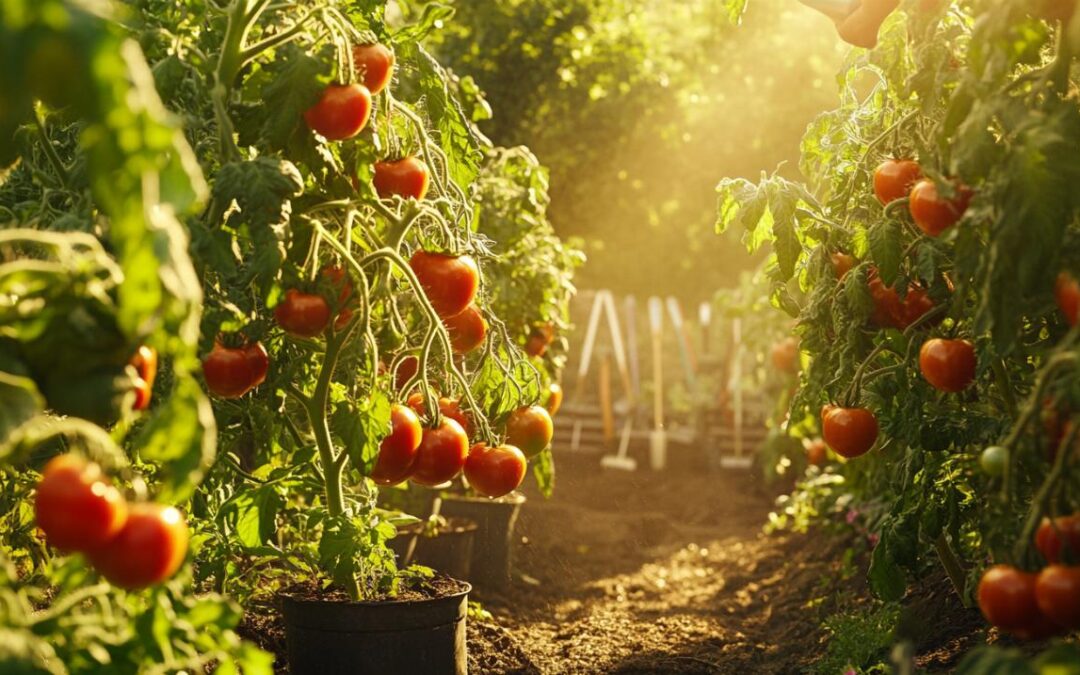
Growing tomatoes at home represents one of the most rewarding gardening pursuits, combining the satisfaction of nurturing plants from tender seedlings to abundant harvests with the incomparable flavour of sun-ripened fruit picked fresh from your own patch. Whether you cultivate your tomatoes in greenhouse borders, containers on a sunny patio, or traditional garden beds, success hinges on understanding the fundamental requirements these heat-loving plants demand. Mastering the interplay between soil quality, consistent feeding regimes, proper watering schedules, and attentive care throughout the growing season transforms even modest growing spaces into productive tomato sanctuaries that deliver flavourful harvests from midsummer through early autumn.
Selecting the Right Tomato Varieties and Preparing Your Growing Space
Choosing Between Determinate and Indeterminate Varieties for Your Garden
Understanding the distinction between bush and cordon tomatoes forms the foundation of successful cultivation, as each type presents unique growth habits and spatial requirements. Bush tomatoes, classified botanically as determinate varieties, develop into compact, self-supporting plants that reach a predetermined height before setting all their fruit in a concentrated period. These varieties prove particularly valuable for gardeners working with limited vertical space or those seeking a manageable harvest window for preserving. Conversely, cordon tomatoes fall into the indeterminate category, continuing their upward growth throughout the season whilst producing fruit continuously along their extending stems. Varieties such as Sungold, renowned for its exceptionally sweet cherry tomatoes, and Tigerella, distinguished by its attractive striped fruit, exemplify popular cordon selections that reward gardeners with prolonged harvests when provided with sturdy support structures. The choice between these growth habits should reflect your available space, desired harvest pattern, and willingness to undertake regular pruning and training activities that cordon varieties demand.
Preparing Soil and Containers with Proper Drainage and Nutrients
Establishing the proper foundation for tomato growing begins with meticulous attention to soil quality and container preparation, as these factors directly influence nutrient availability and root health throughout the season. Enriching your growing medium with well-rotted organic matter and balanced fertilisers before planting creates the nutrient-rich environment tomatoes require for vigorous growth and abundant fruiting. When cultivating in containers, selecting pots with adequate drainage holes prevents waterlogging whilst ensuring sufficient volume allows root systems to establish properly. The technique of deep planting, where tomato seedlings are positioned with their lowest leaves just above soil level, encourages additional root development along the buried stem portion, creating a more robust root system capable of supporting heavy fruit loads. This approach proves particularly beneficial for cordon varieties that will carry substantial weight as fruits develop. Proper plant spacing emerges as equally critical, as crowding plants restricts sunlight exposure to lower foliage and reduces air circulation, creating conditions conducive to fungal infections whilst diminishing overall fruit yield. Allowing adequate room between plants ensures each receives sufficient light and air movement for optimal photosynthesis and disease prevention.
Essential Fertilisation Techniques and Feeding Schedules for Thriving Tomato Plants
Understanding NPK Ratios and Organic Fertiliser Options for Tomatoes
Comprehending the nutritional requirements of tomato plants throughout their lifecycle enables gardeners to select appropriate fertilisers and apply them at optimal intervals. The NPK ratio, representing nitrogen, phosphorus, and potassium content respectively, guides fertiliser selection based on plant development stage. During early vegetative growth, balanced formulations support leaf and stem development, whilst transitioning to higher potassium formulations as flowering commences encourages fruit set and flavour development. Organic fertiliser options including well-composted manure, seaweed extracts, and specially formulated tomato feeds provide slow-release nutrition whilst improving soil structure and microbial activity. These natural amendments prove particularly valuable for gardeners committed to sustainable cultivation practices, as they enhance long-term soil health beyond the immediate growing season. Incorporating these amendments into the soil before planting establishes a nutrient reserve, whilst supplementary feeding addresses the intensive nutritional demands tomatoes present as they develop heavy fruit loads.
Establishing a Weekly Feeding Routine from Transplanting to Harvest
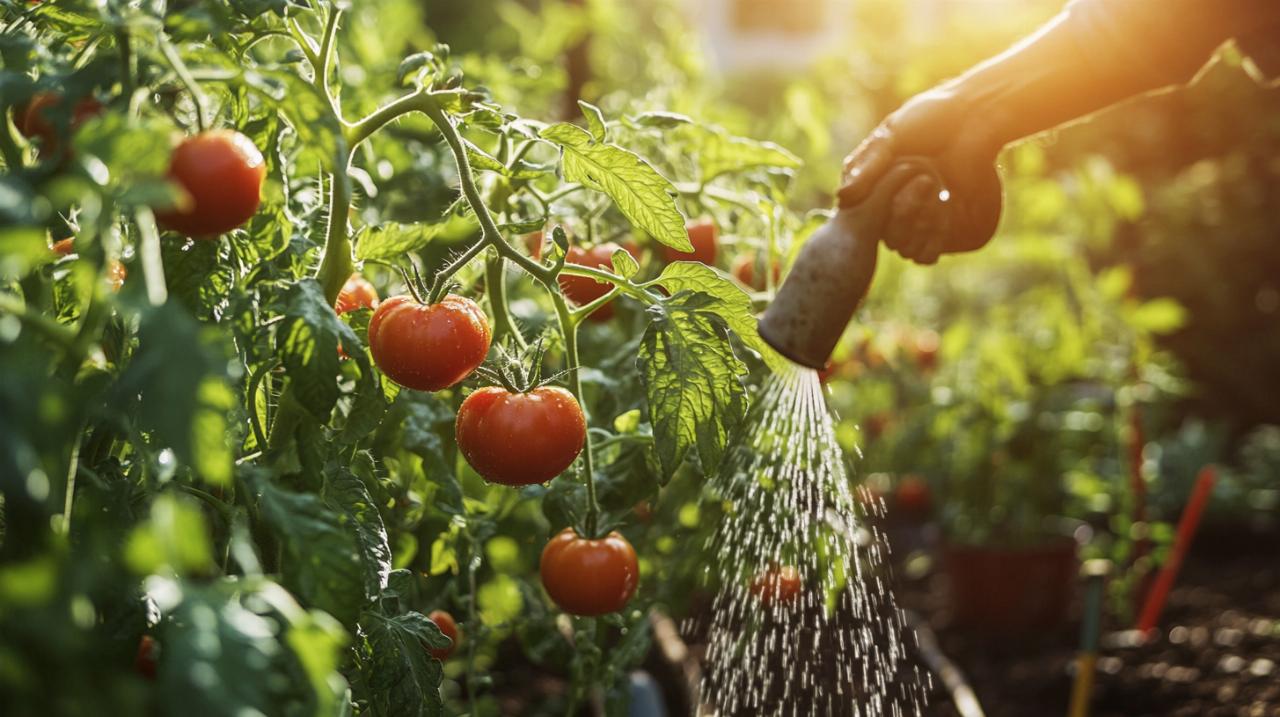
Implementing a consistent weekly feeding routine from the moment young plants establish in their final positions until harvest concludes ensures continuous nutrient availability during critical growth phases. Commencing supplementary feeding approximately two weeks after transplanting, once plants have overcome transplant shock and resumed active growth, prevents nutrient deficiencies that manifest as yellowing foliage or stunted development. Tomato-specific liquid feeds applied according to manufacturer recommendations provide readily available nutrition that plants can absorb immediately, supporting the rapid growth rates characteristic of warm growing conditions. As fruits begin swelling, maintaining this feeding schedule becomes particularly crucial, as nutrient demands peak during fruit development. Monitoring plant response guides adjustments to feeding frequency or concentration, with vigorous growth and deep green foliage indicating adequate nutrition, whilst pale leaves or slow fruit development suggest increased feeding may prove beneficial. Balancing this nutritional support with appropriate watering practices, typically requiring moisture every two to three days depending on sunlight exposure and plant size, creates optimal conditions for fruit development whilst preventing common physiological disorders associated with irregular moisture availability.
Preventing common diseases and maximising your tomato harvest
Identifying and Treating Blight, Blossom End Rot, and Fungal Infections
Recognising and addressing common tomato afflictions swiftly preserves plant health and protects developing harvests from devastating losses. Tomato blight, manifesting initially as brown patches on foliage before spreading to fruits, represents the most serious fungal threat, particularly during warm, humid conditions that favour spore dispersal. Implementing preventative measures including adequate plant spacing for air circulation, avoiding overhead watering that creates persistently damp foliage, and promptly removing affected material limits disease spread. Blossom end rot, characterised by dark, sunken patches at the fruit base, results not from pathogenic infection but from calcium deficiency often triggered by irregular watering schedules that impair nutrient uptake. Maintaining consistent soil moisture through regular watering prevents this physiological disorder, whilst mulching around plants helps moderate soil temperature fluctuations and retain moisture. Fruit splitting similarly stems from erratic watering, as rapid moisture influx following dry periods causes fruits to expand faster than skin can accommodate. Additional challenges including whitefly pests require vigilant monitoring, with early intervention using organic controls or biological predators preventing population explosions that weaken plants and reduce yields.
Proper Pruning, Support Systems, and Harvesting Methods for Peak Flavour
Maintaining tomato plants through appropriate pruning techniques and robust support structures maximises fruit quality whilst preventing physical damage to heavily laden stems. For cordon varieties, regularly removing side shoots that emerge between main stems and leaf branches concentrates plant energy into fruit production rather than excessive vegetative growth. This practice, performed weekly during active growth, prevents plants becoming unwieldy tangles whilst improving air circulation through the canopy. Installing sturdy support structures at planting time, whether traditional bamboo canes, spiral supports, or string training systems in greenhouse cultivation, prevents the need for later installation that risks disturbing established root systems. As plants ascend their supports, securing stems loosely with soft ties prevents constriction whilst providing necessary anchorage against wind damage and fruit weight. Harvesting commences from midsummer as fruits reach full colour and yield slightly to gentle pressure, indicating optimal ripeness. Checking plants regularly during peak season prevents over-ripening on the vine, though leaving tomatoes at room temperature after picking rather than refrigerating them preserves the complex flavour compounds that cold storage diminishes. This attention to harvest timing and post-harvest handling ensures the superior taste that motivates home gardening efforts, delivering flavour that surpasses commercially grown alternatives whilst providing the satisfaction inherent in successfully nurturing crops from seedling to table.